
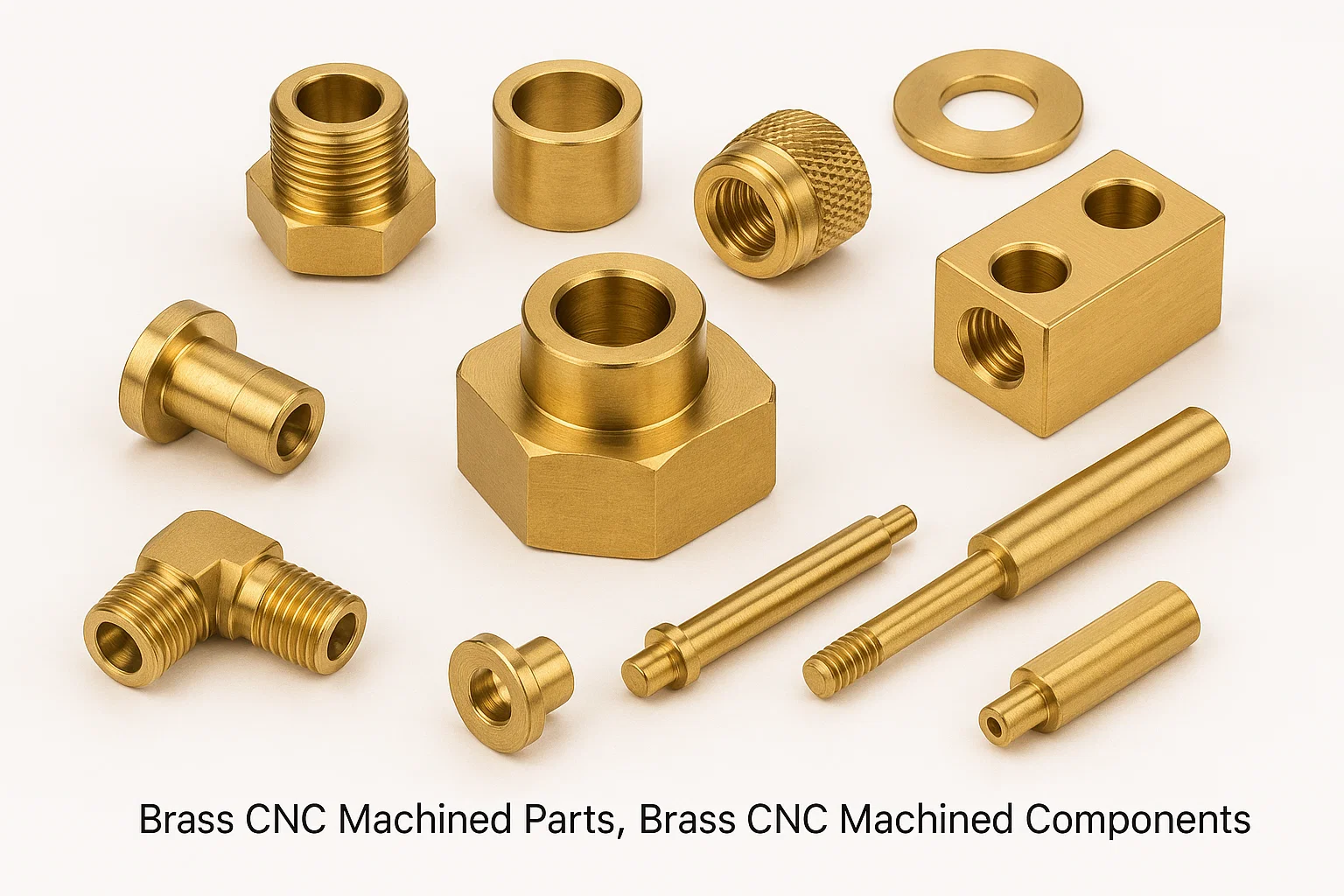
Brass CNC Machined Parts and Components – Precision Manufacturing Solutions
Price: US$ 14.00/Kilogram, CIF US sea port
We are one of the leading manufacturers and exporters of Brass CNC Machined Parts and Brass CNC Machined Components from India. We have been supplying precision-engineered Brass components to the world market for many decades. Our state-of-the-art manufacturing facility specializes in producing high-precision Brass CNC Turned parts, Brass Machined parts, CZ 121 Brass Machined Components, Lead Free Brass Machined Parts, and C36000 Brass Machined parts that meet the stringent quality requirements of customers across USA, UK, Canada, and Australia. With over three decades of global manufacturing experience and ISO 9001:2015 certification, our engineering team combines traditional craftsmanship with modern CNC technology to deliver components that exceed international standards including ASTM, BS, DIN, JIS, and IS specifications. Our commitment to precision, quality, and customer satisfaction has established us as a trusted partner for industries requiring complex Brass machining solutions with tight tolerances ranging from ±0.001″ to ±0.005″ depending on part geometry and material specifications.
Understanding Brass CNC Machined Parts
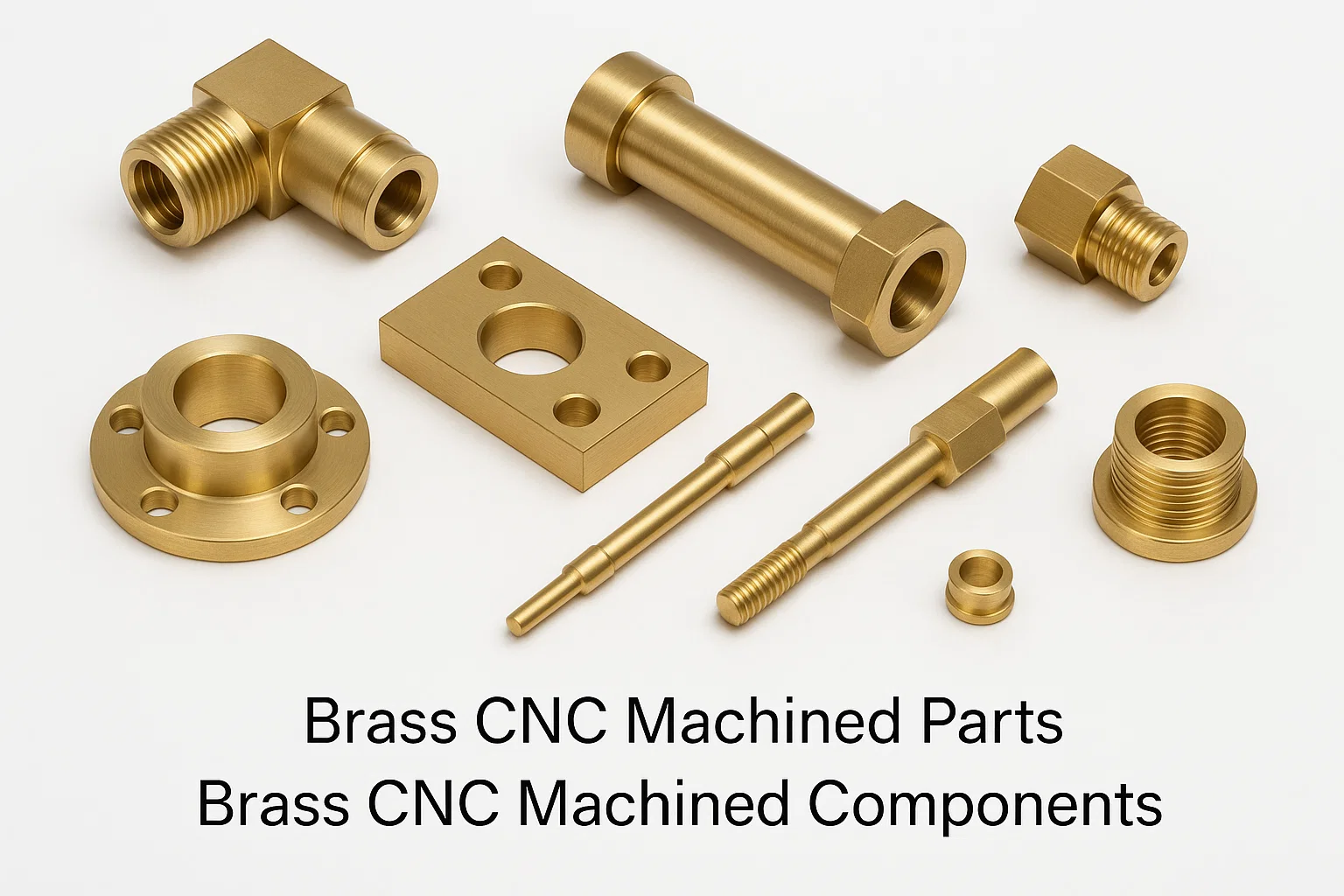
Brass CNC Machined Parts represent the pinnacle of precision manufacturing where computer numerical control technology transforms raw Brass bar stock, forgings, or castings into intricate components with exceptional dimensional accuracy. These parts are manufactured using multi-axis CNC machines that can execute complex operations including turning, milling, drilling, threading, and contouring in a single setup. The superior machinability of Brass alloys, combined with CNC precision, allows our facility to produce components with surface finishes ranging from 32 Ra to 125 Ra microinches depending on application requirements. Common applications include electrical connectors, instrumentation parts, valve components, automotive fittings, plumbing fixtures, and decorative hardware where the natural antimicrobial properties and corrosion resistance of Brass provide functional advantages. Our CNC machining centers can handle part sizes from miniature components measuring 0.125 inches to large assemblies up to 12 inches in diameter, accommodating both prototype quantities and high-volume production runs with consistent quality standards.
Brass CNC Machined Components Manufacturing
Brass CNC Machined Components encompass a broader category of precision-engineered parts that may combine multiple machining operations, secondary processes, and assembly requirements. These components often serve as critical elements in larger assemblies where dimensional accuracy, material properties, and finish quality directly impact system performance. Our manufacturing approach involves collaborative engineering where our technical team reviews customer drawings to optimize machining sequences, suggest design improvements for manufacturability, and identify potential cost-saving opportunities without compromising functionality. We specialize in producing complex geometries including internal threads, knurling patterns, hexagonal features, cross-holes, undercuts, and eccentric profiles that challenge conventional machining methods. The material selection for these components considers factors such as dezincification resistance, lead content regulations, electrical conductivity requirements, and environmental exposure conditions. Our quality assurance process includes first article inspection, in-process dimensional verification using coordinate measuring machines (CMM), hardness testing, and visual inspection before final packaging and shipment to ensure every component meets or exceeds specified tolerances.
Brass CNC Turned Parts
Brass CNC Turned parts form the foundation of our manufacturing capabilities, utilizing advanced CNC turning centers equipped with live tooling, sub-spindles, and bar-feeding systems for efficient production. The turning process is particularly well-suited for manufacturing cylindrical components such as bushings, sleeves, shafts, pins, spacers, terminal blocks, and custom fasteners where rotational symmetry defines the part geometry. Our Swiss-type CNC lathes excel at producing small-diameter parts with length-to-diameter ratios exceeding 10:1 while maintaining concentricity within 0.0005 inches. The continuous chip-removal systems and high-pressure coolant delivery ensure superior surface finishes and dimensional stability even during extended production runs. We work with various Brass grades including free-cutting varieties that contain lead for enhanced machinability, as well as newer eco-friendly alternatives that eliminate lead while preserving excellent turning characteristics. Thread rolling, knurling, grooving, and cross-drilling operations can be integrated into the turning cycle, reducing handling time and improving geometric relationships between features. Typical production quantities range from prototype orders of 50-100 pieces to continuous supply contracts involving millions of parts annually, with our flexible manufacturing system adapting to varying demand patterns.
Brass Machined Parts Production Capabilities
Brass Machined parts encompass both CNC and conventional machining operations, though our facility primarily utilizes CNC equipment for consistency and efficiency. These parts may originate from various raw material forms including extruded rods, drawn tubes, rolled sheets, or near-net-shape castings depending on geometric complexity and production economics. Our machining capabilities include multi-axis milling for prismatic parts with complex pocket geometries, EDM (electrical discharge machining) for intricate cavities and thin-wall sections, and precision grinding for achieving tight tolerance fits and superior surface finishes. The thermal conductivity of Brass alloys presents unique machining considerations including tool selection, cutting speeds, and coolant strategies that our experienced machinists have refined over decades of production. We maintain extensive tooling inventories including carbide inserts, high-speed steel tools, and specialized form tools that enable us to machine everything from standard commercial tolerances to aerospace-grade precision requirements. Post-machining operations such as deburring, tumbling, vibratory finishing, and ultrasonic cleaning ensure that parts are free from sharp edges and contaminants before proceeding to plating or assembly stages.
CZ 121 Brass Machined Components Specialization
CZ121 is a legacy free-machining brass designation commonly cross-referenced to CW614N (CuZn39Pb3). It is not C38000, CuZn40 or CW617N. CW617N (CuZn40Pb2) is a different brass commonly used for hot forging. Specify the actual alloy and product standard and approve any proposed substitution.
Lead Free Brass Machined Parts and Components
Lead-free brass machining requires an alloy selected for the applicable lead-content and service requirements. C36000 is a leaded brass and must not be listed as lead-free. Candidate lead-free grades, such as silicon-containing C69300, must be specified and verified for the intended product; alloy selection alone does not establish finished-product certification.
C36000 Brass Machined Parts Manufacturing
C36000 Brass Machined parts utilize the most popular free-cutting Brass alloy in North America, containing approximately 61.5% copper, 35.5% zinc, and 3% lead that provides exceptional machinability ratings approaching 100% on the standard machinability scale. This alloy, equivalent to UNS C36000, CDA 360, or commonly called “free cutting Brass,” produces short, easily manageable chips that break cleanly without forming long stringers that could interfere with automated machining operations. Our experience with C36000 spans thousands of different part designs including threaded components, intricate valve assemblies, precision terminals, electronic connectors, and decorative hardware where the combination of machinability, strength, and corrosion resistance creates ideal manufacturing economics. The material demonstrates good hot formability and acceptable cold working characteristics, though we typically machine C36000 from bar stock or forgings rather than relying on extensive secondary forming operations. Mechanical properties include tensile strength around 49,000 psi, yield strength approximately 20,000 psi, and elongation values near 53%, providing adequate structural performance for non-critical applications while prioritizing ease of manufacturing. For applications requiring lead-free certification, we offer C36000 alternatives that maintain similar machining characteristics while complying with modern environmental regulations.
Material Grades and International Standards
| Standard | Designation | Composition (Approx.) | Primary Use | Machinability Rating |
|---|---|---|---|---|
| ASTM B16 | C36000 (Free Cutting) | 61.5% Cu, 35.5% Zn, 3% Pb | General machining, screw machine parts | 100% (Reference) |
| ASTM B16 | C26000 (Cartridge) | 70% Cu, 30% Zn | Deep drawing, stampings, cold heading | 30% |
| ASTM B283 | C38000 (Architectural) | 58% Cu, 40% Zn, 2% Pb | Architectural trim, marine hardware | 90% |
| BS EN 12164 | CW617N (CZ121) | 58% Cu, 39% Zn, 3% Pb max | Plumbing fittings, machined parts | 80% |
| DIN 17660 | CuZn40Pb2 (Ms58) | 58% Cu, 39% Zn, 1.5-2.5% Pb | Hot forgings, machined components | 85% |
| JIS H3250 | C3604 | 58-61% Cu, Remainder Zn, 2.5-3.5% Pb | Precision machined parts | 95% |
| IS 319 | HB-58-2 | 56-59% Cu, Remainder Zn, 1.5-2.5% Pb | General engineering components | 80% |
| UNS | C69300 (Silicon Brass) | 80% Cu, 20% Zn, 4% Si, Lead Free | Dezincification resistant parts | 40% |
Manufacturing Processes and Machinery
Our precision Brass machining operations utilize a comprehensive range of advanced manufacturing equipment and processes that ensure consistent quality and dimensional accuracy. The primary manufacturing sequence begins with material inspection and verification of mill certifications to confirm alloy composition, mechanical properties, and compliance with specified standards. Raw material is then loaded into automatic bar feeders or fixture-mounted blanks are secured in CNC machine chucks with minimal runout.
CNC Turning Centers: We operate multiple Swiss-type CNC lathes (Citizen, Star, Tsugami) capable of machining parts from 2mm to 32mm diameter with programmable sub-spindles for complete part manufacture in single operations. Our conventional CNC turning centers handle larger diameter work from 25mm to 300mm, equipped with 8-position turrets, live tooling for milling operations, and programmable tailstock support for long, slender components.
CNC Machining Centers: Three-axis and four-axis CNC milling machines (Haas, Fanuc, DMG Mori) process prismatic Brass components requiring complex pocket geometries, precise hole locations, and multi-sided machining. These machines feature automatic tool changers with 20-40 tool capacity, through-spindle coolant delivery, and high-speed spindles reaching 12,000 RPM for fine finish operations.
Secondary Operations: Our facility includes thread rolling machines for producing high-strength external threads with superior fatigue resistance compared to cut threads, knurling equipment for textured grip surfaces, and centerless grinding machines for achieving tight diameter tolerances on cylindrical components. Broaching capabilities allow us to produce internal keyways, splines, and special profiles that exceed the capabilities of rotary cutting tools.
Quality Control Equipment: We maintain a climate-controlled inspection room housing coordinate measuring machines (CMM), optical comparators, surface roughness testers, hardness testing equipment, and precision micrometers/height gauges calibrated to NIST-traceable standards ensuring measurement accuracy and traceability.
Typical Parts and Applications
Our Brass CNC machining expertise produces diverse components serving multiple industries and applications. Electrical connector bodies, terminal blocks, and switch components leverage Brass’s excellent electrical conductivity combined with corrosion resistance. Plumbing fittings including compression ferrules, valve stems, faucet cartridges, and water meter components utilize Brass’s dezincification resistance and antimicrobial properties. Automotive applications encompass fuel system fittings, brake line components, electrical terminals, and sensor housings where vibration resistance and temperature stability prove critical. Musical instrument manufacturers specify Brass machined parts for valve assemblies, mouthpiece components, and slide mechanisms requiring precise dimensional control and smooth surface finishes. Pneumatic and hydraulic systems incorporate Brass manifold blocks, valve bodies, quick-connect fittings, and pressure gauge components machined to tight tolerances ensuring leak-free operation under pressure cycling conditions.
🔩 Electrical & Power Industry Brass Parts
-
Brass electrical terminals
-
Brass neutral links / neutral bars
-
Brass earthing blocks & grounding terminals
-
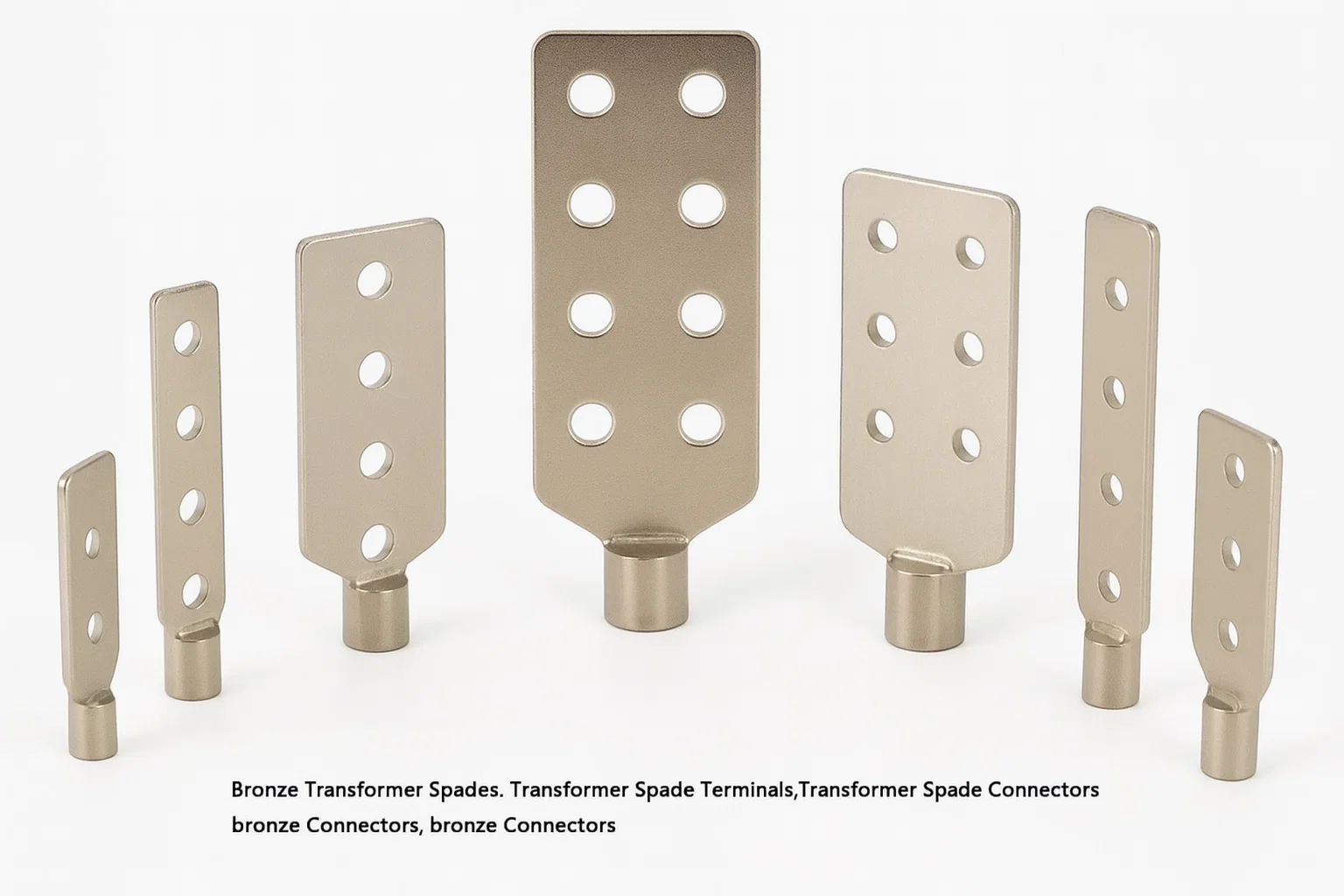
Brass cable lugs (machined / drilled type)
-
Brass busbar connectors & spacers
-
Brass transformer connectors
-
Brass switchgear contacts
-
Brass terminal studs & screws
⚙️ Fasteners & Industrial Hardware
-
Brass hex nuts & square nuts
-
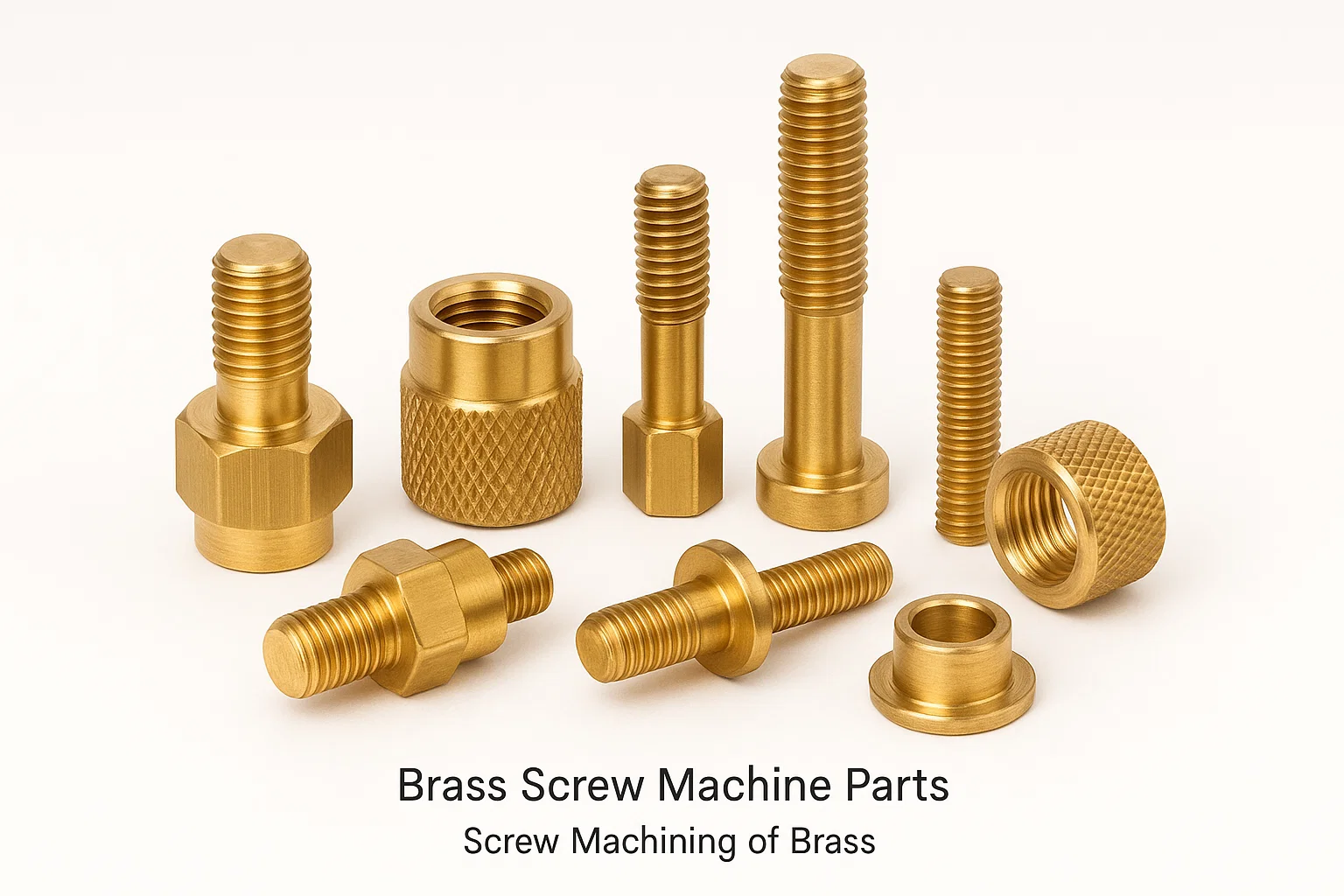
Brass threaded inserts (knurled / straight)
-
Brass studs & threaded rods
-
Brass washers & spacers
-
Brass bushings & sleeves
-
Brass anchor inserts
-
Brass custom turned fasteners
🏭 CNC Machined & Turned Brass Components
-
Precision CNC-turned brass components
-
Brass spacers & collars
-
Brass pins & dowels
-
Brass shafts & stepped components
-
Brass threaded housings
-
Brass control knobs (industrial use)
-
Brass sensor bodies
🔌 Electronics & Instrumentation Components
-
Brass contact pins
-
Brass connector pins & sockets
-
Brass terminal pins
-
Brass instrumentation fittings
-
Brass EMI shielding components
-
Brass electronic component housings
🚗 Automotive, EV & Battery Components (Dry / Non-Fluid)
-
Brass battery terminals
-
Brass automotive electrical connectors
-
Brass grounding components
-
Brass sensor fittings (non-fluid contact)
-
Brass inserts for plastic over-molding
🏗️ Construction & Industrial Mounting Parts
-
Brass expansion anchors
-
Brass threaded sleeves
-
Brass construction inserts
-
Brass mounting components
-
Brass architectural industrial hardware
🛠️ Machinery, Valve & General Industrial Parts (Non-Potable)
-
Brass valve components (industrial oils / gases)
-
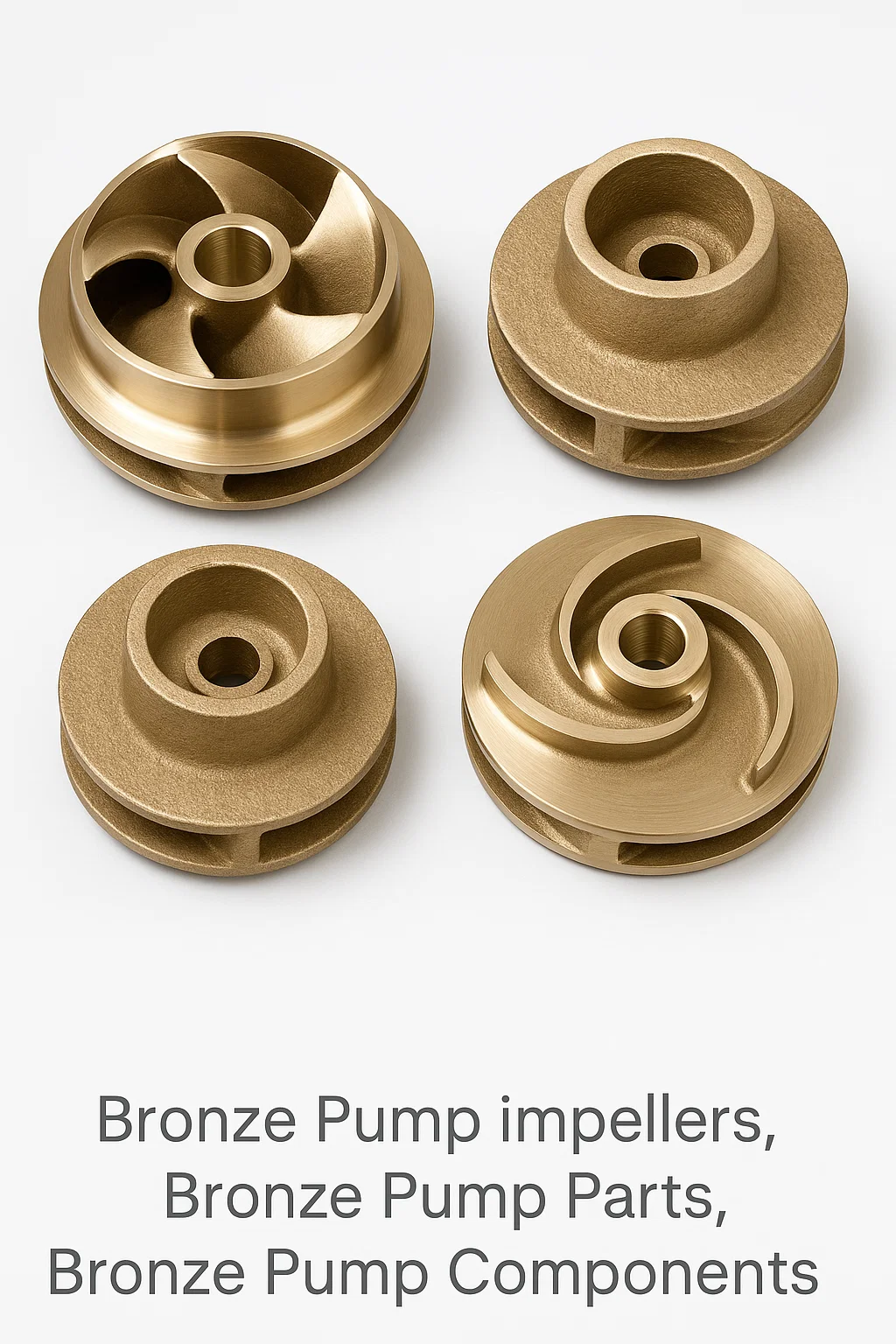
Brass pump components (non-potable applications)
-
Brass machinery bushings
-
Brass flow restrictors
-
Brass couplings & adapters
🧪 Common Brass Grades Used
-
CW614N / CZ121 – high-machinability brass (≈2–3.5% Pb)
-
C36000 – free-cutting brass
-
CW617N – forged + machined components
-
CW510L / CW511L – lead-free brass (used when specified)
Sample Component Dimensions and Specifications
| Part Type | Outer Diameter | Length | Internal Features | Typical Tolerance | Surface Finish |
|---|---|---|---|---|---|
| Brass Bushing | 12.7mm – 50.8mm | 6.35mm – 76.2mm | Precision bore ±0.013mm | ±0.025mm | 32 Ra |
| Threaded Insert | 6.35mm – 25.4mm | 12.7mm – 38.1mm | M3 – M16 internal thread | ±0.051mm | 63 Ra |
| Valve Stem | 9.53mm – 19.05mm | 50.8mm – 127mm | Hexagonal drive section | ±0.013mm | 16 Ra |
| Terminal Block | 19.05mm – 38.1mm | 25.4mm – 63.5mm | Cross-drilled holes | ±0.076mm | 125 Ra |
| Custom Fitting | 12.7mm – 76.2mm | 25.4mm – 152.4mm | Multiple thread forms | ±0.038mm | 32 Ra |
Surface Treatments and Plating Options
Brass machined components often require surface treatments to enhance corrosion resistance, improve aesthetics, or modify surface properties for specific applications. Our facility coordinates with certified plating partners to provide comprehensive finishing services. Electroplating options include nickel plating (bright, semi-bright, or dull) providing excellent corrosion protection and wear resistance in thicknesses from 5-25 microns; chrome plating offering superior hardness and low friction characteristics; tin plating for electrical applications requiring high conductivity and excellent solderability; and zinc plating with chromate conversion coatings for economical corrosion protection. Decorative finishes encompass antique Brass treatment creating aged patina effects, lacquer coatings preserving natural Brass appearance while preventing tarnishing, and powder coating in various colors for aesthetic customization. Functional coatings include PTFE (Teflon) dry film lubricants reducing friction in sliding applications, black oxide conversion coatings providing minimal dimensional change with modest corrosion resistance, and passivation treatments enhancing natural corrosion resistance without adding material thickness.
Industries and Applications Served
Plumbing and Water Systems: Municipal water infrastructure, residential plumbing fixtures, commercial building systems, irrigation equipment, and water treatment facilities utilize our Brass components for their dezincification resistance, antimicrobial properties, and long service life in potable water applications.
Electrical and Electronics: Power distribution equipment, telecommunications hardware, automotive electrical systems, consumer electronics, and industrial control panels incorporate our precision-machined Brass terminals, connectors, and grounding components valued for excellent electrical conductivity and reliable contact performance.
Automotive and Transportation: Engine components, fuel delivery systems, brake assemblies, transmission parts, and sensor housings manufactured from Brass provide thermal conductivity, vibration damping, and electromagnetic shielding properties essential for modern vehicle systems.
HVAC and Refrigeration: Air conditioning systems, refrigeration equipment, heat exchangers, and climate control valves rely on Brass components for thermal management, pressure containment, and corrosion resistance in condensate environments.
Marine and Offshore: Boat fittings, navigation equipment, deck hardware, and submersible pump components machined from naval Brass grades resist saltwater corrosion while maintaining mechanical integrity under continuous exposure to harsh maritime conditions.
Medical and Laboratory: Surgical instruments, diagnostic equipment, fluid handling systems, and laboratory apparatus utilize Brass components meeting biocompatibility requirements and sterilization compatibility for healthcare applications.
Precision Tolerances and Quality Standards
Our manufacturing capabilities achieve precision tolerances ranging from standard commercial grades to aerospace-level accuracy depending on part geometry and customer specifications. Linear dimensions typically maintain ±0.001″ (±0.025mm) for critical features with controlled processes, while general dimensions hold ±0.005″ (±0.127mm) for non-critical surfaces. Concentricity and perpendicularity achieve 0.0005″ (0.013mm) total indicator reading (TIR) for bearing surfaces and mating features requiring precise alignment. Thread specifications conform to ANSI B1.1, ISO 965-1, or customer-specified thread classes with gage verification ensuring proper fit and function. Surface finish quality ranges from 16 Ra microinches for bearing surfaces requiring minimal friction to 125 Ra for general commercial applications where cosmetic appearance matters less than dimensional accuracy.
Our quality management system incorporates statistical process control (SPC) monitoring of critical dimensions, first article inspection (FAI) protocols following AS9102 methodology, and ongoing process capability studies demonstrating Cpk values exceeding 1.33 for controlled characteristics. We maintain full traceability from raw material through finished goods with serialization available for critical applications requiring individual part tracking throughout service life.
Production Turnaround Time
Standard production turnaround time for Brass CNC Machined Parts ranges from four to six weeks from purchase order receipt to shipment, depending on part complexity, quantity, and current production schedule loading. This timeline includes material procurement (typically 7-10 days for common alloys, longer for specialty grades), production planning and tooling setup (3-5 days), manufacturing operations (1-2 weeks for typical batch sizes), quality inspection and documentation (2-3 days), and surface treatment or plating if required (5-7 additional days). We offer expedited production services for urgent requirements, with rush orders potentially completed in 2-3 weeks for premium scheduling fees. For ongoing supply agreements with forecasted demand, we maintain buffer inventory enabling reduced lead times of 1-2 weeks for call-off orders. Our flexible manufacturing system allows us to accommodate changing priorities and respond quickly to unexpected customer requirements while maintaining quality standards.
Material Properties and Performance Characteristics
| Property | C36000 | CZ121 (C38000) | C69300 (Lead Free) | Test Standard |
|---|---|---|---|---|
| Tensile Strength | 49,000 psi (338 MPa) | 54,000 psi (372 MPa) | 70,000 psi (483 MPa) | ASTM E8 |
| Yield Strength | 20,000 psi (138 MPa) | 22,000 psi (152 MPa) | 35,000 psi (241 MPa) | ASTM E8 |
| Elongation | 53% | 25% | 15% | ASTM E8 |
| Hardness | 65 HRB | 75 HRB | 85 HRB | ASTM E18 |
| Electrical Conductivity | 27% IACS | 27% IACS | 20% IACS | ASTM B193 |
| Thermal Conductivity | 115 W/m·K | 120 W/m·K | 90 W/m·K | ASTM E1461 |
| Density | 8.50 g/cm³ | 8.47 g/cm³ | 8.66 g/cm³ | ASTM B311 |
| Machinability Rating | 100% | 80% | 40% | Industry Standard |
Why Choose Our Brass Machining Services
Decades of Global Manufacturing Experience: With over thirty years serving international markets including USA, UK, Canada, and Australia, our engineering team possesses deep knowledge of regional standards, regulatory requirements, and industry-specific expectations that ensure seamless integration of our components into customer assemblies and systems.
Advanced Technical Support and Collaborative Engineering: Our experienced application engineers review customer drawings to identify potential manufacturing challenges, suggest design optimizations improving producibility, and recommend cost-effective alternatives without compromising functionality, creating true partnerships rather than transactional vendor relationships.
Flexible Production Scheduling and Responsive Communication: Unlike large manufacturers with rigid production systems, our agile facility accommodates changing priorities, accepts small prototype orders alongside high-volume production runs, and maintains open communication channels through email, WhatsApp, and phone ensuring customers receive real-time updates on order status.
Customized Packaging with Customer Branding: We provide tailored packaging solutions including custom foam inserts preventing transit damage, color-coded boxes for easy identification, and incorporation of customer logos and labels supporting their brand identity when components reach end-user installations.
Comprehensive Quality Documentation: Every shipment includes detailed inspection reports, material certifications traceable to mill source, dimensional verification data, and compliance documentation supporting customer quality systems and regulatory submissions.
Competitive Pricing with Indian Manufacturing Advantages: Our India-based manufacturing facility offers labor cost advantages and favorable exchange rates compared to North American or European suppliers while maintaining equivalent quality standards and international certifications.
Proven Track Record Across Diverse Industries: Our component portfolio spans plumbing, electrical, automotive, marine, HVAC, medical, and industrial equipment sectors, demonstrating versatility and adaptability to varied technical requirements and application environments.
Packaging and International Shipping
Our export packaging methodology protects Brass machined components throughout international transit while complying with ISPM-15 requirements for heat-treated wood packaging materials. Primary packaging involves individual component protection using VCI (vapor corrosion inhibitor) poly bags preventing tarnishing and oxidation during storage and shipment, with delicate parts receiving additional foam wrapping or compartmentalized trays maintaining separation and preventing contact damage. Secondary packaging utilizes corrugated cartons with appropriate cushioning materials, load capacity ratings clearly marked, and moisture-resistant treatments for ocean freight shipments where condensation exposure may occur. Tertiary packaging for larger orders includes wooden crates, palletized configurations secured with banding or shrink wrap, and consolidated containers optimizing freight costs through efficient space utilization.
We coordinate with reputable international freight forwarders handling customs documentation, providing commercial invoices, packing lists, certificates of origin, and material declarations required for smooth customs clearance. Shipping options include air freight for urgent orders (typically 5-7 days door-to-door), ocean freight for economical high-volume shipments (typically 4-6 weeks transit time to USA ports), and express courier services for prototype or sample shipments requiring rapid delivery with tracking visibility.
Customer Testimonials
Michael Patterson, Procurement Manager, California, USA: “We’ve partnered with this Indian manufacturer for our lead-free Brass plumbing components for five years now, and their consistency is remarkable. The engineering support they provided during our NSF-61 certification process was invaluable, and their ability to accommodate our custom packaging requirements with our company branding has streamlined our distribution operations significantly. Quality has been spot-on, delivery commitments are reliable, and communication is always professional and responsive.”
James Morrison, Technical Director, Melbourne, Australia: “Finding a reliable offshore supplier for precision Brass machined parts was challenging until we discovered this manufacturer. Their three decades of experience show in every aspect of their operation from initial quotation through final delivery. We particularly appreciate their willingness to work with our Australian standards and their proactive communication regarding any potential delivery changes. The dimensional accuracy and surface finish quality consistently meet our aerospace-grade requirements, which is impressive given their competitive pricing structure.”
Frequently Asked Questions About Brass CNC Machining
What minimum order quantities do you accept for Brass CNC machined parts? We accommodate orders from prototype quantities of 50-100 pieces through high-volume production runs exceeding one million parts annually, with pricing structured to remain competitive across the entire range while maintaining consistent quality standards.
Can you machine lead-free Brass alloys meeting NSF-61 and NSF-372 standards? Absolutely, we specialize in lead-free Brass grades including C69300, C89833, and proprietary alloys complying with North American plumbing standards, providing full material certifications and compliance documentation supporting your regulatory requirements.
What tolerances can you achieve on complex Brass machined components? Our precision CNC equipment maintains ±0.001″ for critical dimensions, 0.0005″ TIR concentricity, and surface finishes from 16 Ra to 125 Ra depending on application requirements and part geometry considerations.
Do you provide secondary operations like plating, heat treatment, or assembly? Yes, we coordinate comprehensive finishing services including electroplating (nickel, chrome, tin, zinc), decorative treatments, heat treating for stress relief, and sub-assembly operations, managing the complete supply chain for your convenience.
How do you ensure dimensional accuracy throughout production runs? We employ statistical process control, first article inspection protocols, in-process verification using CMM equipment, and final inspection procedures ensuring every component meets specifications with documented traceability.
What file formats do you accept for technical drawings and CAD models? Our engineering team works with AutoCAD DWG/DXF, SolidWorks, STEP, IGES, Parasolid, and PDF formats, with capability to reverse-engineer components from samples when drawings are unavailable.
Can you suggest design modifications to improve manufacturability? Certainly, our application engineers perform design for manufacturability (DFM) analysis identifying opportunities to reduce costs, improve tolerances, simplify tooling requirements, or enhance functional performance through strategic geometry changes.
What quality certifications and standards does your facility maintain? We hold ISO 9001:2015 certification, comply with RoHS and REACH regulations, and maintain procedures supporting PPAP, AS9102 FAI, and customer-specific quality requirements across various industry sectors.
How do you handle intellectual property protection for proprietary designs? We execute comprehensive non-disclosure agreements, maintain secure data management systems isolating customer files, and implement strict access controls ensuring confidential information remains protected throughout manufacturing relationships.
What is your typical lead time for new part development and sampling? Initial prototype samples typically require 2-3 weeks including material procurement, tooling setup, production of sample quantities, and international shipping to customer facilities for evaluation and approval.
Can you accommodate special packaging requirements or customer labeling? Yes, we offer customized packaging solutions incorporating your logo, part numbers, handling instructions, and specific packing configurations supporting your internal logistics and distribution requirements.
Do you provide material test reports and chemical composition analysis? Every shipment includes certified mill test reports documenting chemical composition, mechanical properties, heat treatment conditions, and compliance with specified material standards traceable to original material sources.
What happens if parts don’t meet specified tolerances or quality standards? Our quality guarantee ensures defective components are replaced or credited promptly, with root cause analysis performed to prevent recurrence and process improvements implemented addressing identified systemic issues.
Can you handle high-mix low-volume production or only large batch quantities? Our flexible manufacturing system efficiently manages both scenarios, supporting customers requiring diverse part families in smaller quantities as well as those needing dedicated production campaigns for specific components.
How do your Brass machining prices compare to North American suppliers? Our India manufacturing base provides 25-40% cost advantages compared to equivalent USA or Canadian suppliers while maintaining comparable quality standards, certifications, and delivery reliability supporting your competitive positioning.
Glossary of Technical Terms
CNC (Computer Numerical Control): Manufacturing technology using programmed computer systems to control machine tool movements, enabling complex geometries with high repeatability and minimal manual intervention compared to conventional machining methods.
Dezincification Resistance: Material property describing Brass’s ability to resist selective corrosion where zinc leaches from the alloy structure leaving porous copper residue, particularly important for components exposed to stagnant water conditions.
Free Machining Brass: Copper-zinc alloys containing lead or alternative elements that improve chip-breaking characteristics, reduce cutting forces, extend tool life, and enable higher production speeds compared to standard Brass compositions.
First Article Inspection (FAI): Comprehensive documentation and verification process performed on initial production samples demonstrating conformance to all drawing requirements before full-scale manufacturing authorization is granted.
Machinability Rating: Comparative index expressing how easily different materials can be machined, with free-cutting Brass (C36000) defined as 100% reference standard and other alloys rated proportionally based on tool life and cutting speeds.
Swiss-Type CNC Lathe: Specialized turning machine using guide bushing supporting workpiece near cutting zone, enabling exceptional length-to-diameter ratios and tight tolerances on small-diameter components through reduced deflection and vibration.
Total Indicator Reading (TIR): Measurement method quantifying geometric deviations such as runout, concentricity, or perpendicularity by mounting the component on inspection equipment and noting maximum indicator variation during rotation or translation.
NSF-61/NSF-372: North American certification standards limiting lead content and toxin leaching in components contacting potable water, requiring rigorous testing and material certification for plumbing industry compliance.
Related machining and alloy guides
For material-specific enquiries, see CZ121 brass machined parts and CW614N and CW617N brass components. Our brass screw machining guide covers related production processes.
For other component materials, explore stainless steel turned parts. Specify the required alloy and application when requesting a quotation.
Request Your Custom Quote Today
Ready to source precision Brass CNC machined components for your application? Our engineering team is standing by to review your technical requirements, provide competitive quotations, and discuss how our three decades of manufacturing expertise can support your project success.
Contact us now for:
- Detailed technical quotations with material recommendations
- Free design for manufacturability (DFM) analysis
- Sample production and evaluation programs
- Comprehensive product brochure and capability documentation
Download our complete Brass machining capabilities brochure or request samples to evaluate our quality firsthand. We respond to all inquiries within 24 hours and provide technical support throughout your component lifecycle from initial design through ongoing production.
Updated: 2025-2026
Brass CNC Machined Parts and Components – Precision Manufacturing Solutions
Price: US$ 14.00/Kilogram, CIF US sea port
We are one of the leading manufacturers and exporters of Brass CNC Machined Parts and Brass CNC Machined Components from India. We have been supplying precision-engineered Brass components to the world market for many decades. Our state-of-the-art manufacturing facility specializes in producing high-precision Brass CNC Turned parts, Brass Machined parts, CZ 121 Brass Machined Components, Lead Free Brass Machined Parts, and C36000 Brass Machined parts that meet the stringent quality requirements of customers across USA, UK, Canada, and Australia. With over three decades of global manufacturing experience and ISO 9001:2015 certification, our engineering team combines traditional craftsmanship with modern CNC technology to deliver components that exceed international standards including ASTM, BS, DIN, JIS, and IS specifications. Our commitment to precision, quality, and customer satisfaction has established us as a trusted partner for industries requiring complex Brass machining solutions with tight tolerances ranging from ±0.001″ to ±0.005″ depending on part geometry and material specifications.
Understanding Brass CNC Machined Parts
Brass CNC Machined Parts represent the pinnacle of precision manufacturing where computer numerical control technology transforms raw Brass bar stock, forgings, or castings into intricate components with exceptional dimensional accuracy. These parts are manufactured using multi-axis CNC machines that can execute complex operations including turning, milling, drilling, threading, and contouring in a single setup. The superior machinability of Brass alloys, combined with CNC precision, allows our facility to produce components with surface finishes ranging from 32 Ra to 125 Ra microinches depending on application requirements. Common applications include electrical connectors, instrumentation parts, valve components, automotive fittings, plumbing fixtures, and decorative hardware where the natural antimicrobial properties and corrosion resistance of Brass provide functional advantages. Our CNC machining centers can handle part sizes from miniature components measuring 0.125 inches to large assemblies up to 12 inches in diameter, accommodating both prototype quantities and high-volume production runs with consistent quality standards.
Brass CNC Machined Components Manufacturing
Brass CNC Machined Components encompass a broader category of precision-engineered parts that may combine multiple machining operations, secondary processes, and assembly requirements. These components often serve as critical elements in larger assemblies where dimensional accuracy, material properties, and finish quality directly impact system performance. Our manufacturing approach involves collaborative engineering where our technical team reviews customer drawings to optimize machining sequences, suggest design improvements for manufacturability, and identify potential cost-saving opportunities without compromising functionality. We specialize in producing complex geometries including internal threads, knurling patterns, hexagonal features, cross-holes, undercuts, and eccentric profiles that challenge conventional machining methods. The material selection for these components considers factors such as dezincification resistance, lead content regulations, electrical conductivity requirements, and environmental exposure conditions. Our quality assurance process includes first article inspection, in-process dimensional verification using coordinate measuring machines (CMM), hardness testing, and visual inspection before final packaging and shipment to ensure every component meets or exceeds specified tolerances.
Brass CNC Turned Parts
Brass CNC Turned parts form the foundation of our manufacturing capabilities, utilizing advanced CNC turning centers equipped with live tooling, sub-spindles, and bar-feeding systems for efficient production. The turning process is particularly well-suited for manufacturing cylindrical components such as bushings, sleeves, shafts, pins, spacers, terminal blocks, and custom fasteners where rotational symmetry defines the part geometry. Our Swiss-type CNC lathes excel at producing small-diameter parts with length-to-diameter ratios exceeding 10:1 while maintaining concentricity within 0.0005 inches. The continuous chip-removal systems and high-pressure coolant delivery ensure superior surface finishes and dimensional stability even during extended production runs. We work with various Brass grades including free-cutting varieties that contain lead for enhanced machinability, as well as newer eco-friendly alternatives that eliminate lead while preserving excellent turning characteristics. Thread rolling, knurling, grooving, and cross-drilling operations can be integrated into the turning cycle, reducing handling time and improving geometric relationships between features. Typical production quantities range from prototype orders of 50-100 pieces to continuous supply contracts involving millions of parts annually, with our flexible manufacturing system adapting to varying demand patterns.
Brass Machined Parts Production Capabilities
Brass Machined parts encompass both CNC and conventional machining operations, though our facility primarily utilizes CNC equipment for consistency and efficiency. These parts may originate from various raw material forms including extruded rods, drawn tubes, rolled sheets, or near-net-shape castings depending on geometric complexity and production economics. Our machining capabilities include multi-axis milling for prismatic parts with complex pocket geometries, EDM (electrical discharge machining) for intricate cavities and thin-wall sections, and precision grinding for achieving tight tolerance fits and superior surface finishes. The thermal conductivity of Brass alloys presents unique machining considerations including tool selection, cutting speeds, and coolant strategies that our experienced machinists have refined over decades of production. We maintain extensive tooling inventories including carbide inserts, high-speed steel tools, and specialized form tools that enable us to machine everything from standard commercial tolerances to aerospace-grade precision requirements. Post-machining operations such as deburring, tumbling, vibratory finishing, and ultrasonic cleaning ensure that parts are free from sharp edges and contaminants before proceeding to plating or assembly stages.
CZ 121 Brass Machined Components Specialization
CZ 121 Brass Machined Components are manufactured from a specific copper-zinc alloy containing approximately 58-60% copper and 40-42% zinc, classified as a high-Brass or alpha-Beta Brass with excellent cold working properties and good machinability ratings. This alloy, known internationally as C38000 (USA), CuZn40 (Europe), or equivalent to BS EN 12163 CW617N, provides an optimal balance between mechanical strength, corrosion resistance, and cost-effectiveness for commercial applications. Our machining expertise with CZ 121 includes producing components for hydraulic and pneumatic systems, water meter housings, control valves, marine fittings, and architectural hardware where moderate strength combined with good formability proves advantageous. The material exhibits tensile strength typically ranging from 50,000-75,000 psi depending on temper condition, with elongation values between 10-30% that allow for some post-machining deformation without cracking. We maintain stringent composition control through certified mill test reports and periodic spectrographic analysis to ensure material consistency across production batches. The natural golden color of CZ 121 can be preserved through clear lacquer coatings or modified through electroplating processes including chrome, nickel, tin, or decorative finishes that enhance both aesthetics and functional performance.
Lead Free Brass Machined Parts and Components
Lead Free Brass Machined Parts and Components have become increasingly important due to regulatory requirements such as California Proposition 65, the Safe Drinking Water Act, and various international standards limiting lead content in products contacting potable water or food. Our facility specializes in machining lead-free Brass alloys including C36000 (Free Cutting Brass with controlled lead), C69300 (Silicon Brass), C89833 (Tin-Bismuth Brass), and proprietary alloys developed specifically for compliance with NSF/ANSI 61 and NSF/ANSI 372 standards limiting lead content to maximum 0.25% weighted average. These advanced alloys utilize alternative free-machining elements such as bismuth, selenium, or silicon to replicate the excellent chip-breaking characteristics of traditional leaded Brass while meeting environmental and health safety requirements. The machining parameters for lead-free grades differ slightly from conventional Brass, requiring adjusted cutting speeds, modified tool geometries, and enhanced coolant systems to achieve comparable surface finishes and tool life. We provide full material certification including chemical composition analysis and compliance documentation supporting NSF-61 and lead-free declarations required by plumbing manufacturers, water system suppliers, and municipal procurement specifications throughout North America, Europe, and Australia.
C36000 Brass Machined Parts Manufacturing
C36000 Brass Machined parts utilize the most popular free-cutting Brass alloy in North America, containing approximately 61.5% copper, 35.5% zinc, and 3% lead that provides exceptional machinability ratings approaching 100% on the standard machinability scale. This alloy, equivalent to UNS C36000, CDA 360, or commonly called “free cutting Brass,” produces short, easily manageable chips that break cleanly without forming long stringers that could interfere with automated machining operations. Our experience with C36000 spans thousands of different part designs including threaded components, intricate valve assemblies, precision terminals, electronic connectors, and decorative hardware where the combination of machinability, strength, and corrosion resistance creates ideal manufacturing economics. The material demonstrates good hot formability and acceptable cold working characteristics, though we typically machine C36000 from bar stock or forgings rather than relying on extensive secondary forming operations. Mechanical properties include tensile strength around 49,000 psi, yield strength approximately 20,000 psi, and elongation values near 53%, providing adequate structural performance for non-critical applications while prioritizing ease of manufacturing. For applications requiring lead-free certification, we offer C36000 alternatives that maintain similar machining characteristics while complying with modern environmental regulations.
Material Grades and International Standards
| Standard | Designation | Composition (Approx.) | Primary Use | Machinability Rating |
|---|---|---|---|---|
| ASTM B16 | C36000 (Free Cutting) | 61.5% Cu, 35.5% Zn, 3% Pb | General machining, screw machine parts | 100% (Reference) |
| ASTM B16 | C26000 (Cartridge) | 70% Cu, 30% Zn | Deep drawing, stampings, cold heading | 30% |
| ASTM B283 | C38000 (Architectural) | 58% Cu, 40% Zn, 2% Pb | Architectural trim, marine hardware | 90% |
| BS EN 12164 | CW617N (CZ121) | 58% Cu, 39% Zn, 3% Pb max | Plumbing fittings, machined parts | 80% |
| DIN 17660 | CuZn40Pb2 (Ms58) | 58% Cu, 39% Zn, 1.5-2.5% Pb | Hot forgings, machined components | 85% |
| JIS H3250 | C3604 | 58-61% Cu, Remainder Zn, 2.5-3.5% Pb | Precision machined parts | 95% |
| IS 319 | HB-58-2 | 56-59% Cu, Remainder Zn, 1.5-2.5% Pb | General engineering components | 80% |
| UNS | C69300 (Silicon Brass) | 80% Cu, 20% Zn, 4% Si, Lead Free | Dezincification resistant parts | 40% |
Manufacturing Processes and Machinery
Our precision Brass machining operations utilize a comprehensive range of advanced manufacturing equipment and processes that ensure consistent quality and dimensional accuracy. The primary manufacturing sequence begins with material inspection and verification of mill certifications to confirm alloy composition, mechanical properties, and compliance with specified standards. Raw material is then loaded into automatic bar feeders or fixture-mounted blanks are secured in CNC machine chucks with minimal runout.
CNC Turning Centers: We operate multiple Swiss-type CNC lathes (Citizen, Star, Tsugami) capable of machining parts from 2mm to 32mm diameter with programmable sub-spindles for complete part manufacture in single operations. Our conventional CNC turning centers handle larger diameter work from 25mm to 300mm, equipped with 8-position turrets, live tooling for milling operations, and programmable tailstock support for long, slender components.
CNC Machining Centers: Three-axis and four-axis CNC milling machines (Haas, Fanuc, DMG Mori) process prismatic Brass components requiring complex pocket geometries, precise hole locations, and multi-sided machining. These machines feature automatic tool changers with 20-40 tool capacity, through-spindle coolant delivery, and high-speed spindles reaching 12,000 RPM for fine finish operations.
Secondary Operations: Our facility includes thread rolling machines for producing high-strength external threads with superior fatigue resistance compared to cut threads, knurling equipment for textured grip surfaces, and centerless grinding machines for achieving tight diameter tolerances on cylindrical components. Broaching capabilities allow us to produce internal keyways, splines, and special profiles that exceed the capabilities of rotary cutting tools.
Quality Control Equipment: We maintain a climate-controlled inspection room housing coordinate measuring machines (CMM), optical comparators, surface roughness testers, hardness testing equipment, and precision micrometers/height gauges calibrated to NIST-traceable standards ensuring measurement accuracy and traceability.
Typical Parts and Applications
Our Brass CNC machining expertise produces diverse components serving multiple industries and applications. Electrical connector bodies, terminal blocks, and switch components leverage Brass’s excellent electrical conductivity combined with corrosion resistance. Plumbing fittings including compression ferrules, valve stems, faucet cartridges, and water meter components utilize Brass’s dezincification resistance and antimicrobial properties. Automotive applications encompass fuel system fittings, brake line components, electrical terminals, and sensor housings where vibration resistance and temperature stability prove critical. Musical instrument manufacturers specify Brass machined parts for valve assemblies, mouthpiece components, and slide mechanisms requiring precise dimensional control and smooth surface finishes. Pneumatic and hydraulic systems incorporate Brass manifold blocks, valve bodies, quick-connect fittings, and pressure gauge components machined to tight tolerances ensuring leak-free operation under pressure cycling conditions.
🔩 Electrical & Power Industry Brass Parts
-
Brass electrical terminals
-
Brass neutral links / neutral bars
-
Brass earthing blocks & grounding terminals
-
Brass cable lugs (machined / drilled type)
-
Brass busbar connectors & spacers
-
Brass transformer connectors
-
Brass switchgear contacts
-
Brass terminal studs & screws
⚙️ Fasteners & Industrial Hardware
-
Brass hex nuts & square nuts
-
Brass threaded inserts (knurled / straight)
-
Brass studs & threaded rods
-
Brass washers & spacers
-
Brass bushings & sleeves
-
Brass anchor inserts
-
Brass custom turned fasteners
🏭 CNC Machined & Turned Brass Components
-
Precision CNC-turned brass components
-
Brass spacers & collars
-
Brass pins & dowels
-
Brass shafts & stepped components
-
Brass threaded housings
-
Brass control knobs (industrial use)
-
Brass sensor bodies
🔌 Electronics & Instrumentation Components
-
Brass contact pins
-
Brass connector pins & sockets
-
Brass terminal pins
-
Brass instrumentation fittings
-
Brass EMI shielding components
-
Brass electronic component housings
🚗 Automotive, EV & Battery Components (Dry / Non-Fluid)
-
Brass battery terminals
-
Brass automotive electrical connectors
-
Brass grounding components
-
Brass sensor fittings (non-fluid contact)
-
Brass inserts for plastic over-molding
🏗️ Construction & Industrial Mounting Parts
-
Brass expansion anchors
-
Brass threaded sleeves
-
Brass construction inserts
-
Brass mounting components
-
Brass architectural industrial hardware
🛠️ Machinery, Valve & General Industrial Parts (Non-Potable)
-
Brass valve components (industrial oils / gases)
-
Brass pump components (non-potable applications)
-
Brass machinery bushings
-
Brass flow restrictors
-
Brass couplings & adapters
🧪 Common Brass Grades Used
-
CW614N / CZ121 – high-machinability brass (≈2–3.5% Pb)
-
C36000 – free-cutting brass
-
CW617N – forged + machined components
-
CW510L / CW511L – lead-free brass (used when specified)
Sample Component Dimensions and Specifications
| Part Type | Outer Diameter | Length | Internal Features | Typical Tolerance | Surface Finish |
|---|---|---|---|---|---|
| Brass Bushing | 12.7mm – 50.8mm | 6.35mm – 76.2mm | Precision bore ±0.013mm | ±0.025mm | 32 Ra |
| Threaded Insert | 6.35mm – 25.4mm | 12.7mm – 38.1mm | M3 – M16 internal thread | ±0.051mm | 63 Ra |
| Valve Stem | 9.53mm – 19.05mm | 50.8mm – 127mm | Hexagonal drive section | ±0.013mm | 16 Ra |
| Terminal Block | 19.05mm – 38.1mm | 25.4mm – 63.5mm | Cross-drilled holes | ±0.076mm | 125 Ra |
| Custom Fitting | 12.7mm – 76.2mm | 25.4mm – 152.4mm | Multiple thread forms | ±0.038mm | 32 Ra |
Surface Treatments and Plating Options
Brass machined components often require surface treatments to enhance corrosion resistance, improve aesthetics, or modify surface properties for specific applications. Our facility coordinates with certified plating partners to provide comprehensive finishing services. Electroplating options include nickel plating (bright, semi-bright, or dull) providing excellent corrosion protection and wear resistance in thicknesses from 5-25 microns; chrome plating offering superior hardness and low friction characteristics; tin plating for electrical applications requiring high conductivity and excellent solderability; and zinc plating with chromate conversion coatings for economical corrosion protection. Decorative finishes encompass antique Brass treatment creating aged patina effects, lacquer coatings preserving natural Brass appearance while preventing tarnishing, and powder coating in various colors for aesthetic customization. Functional coatings include PTFE (Teflon) dry film lubricants reducing friction in sliding applications, black oxide conversion coatings providing minimal dimensional change with modest corrosion resistance, and passivation treatments enhancing natural corrosion resistance without adding material thickness.
Industries and Applications Served
Plumbing and Water Systems: Municipal water infrastructure, residential plumbing fixtures, commercial building systems, irrigation equipment, and water treatment facilities utilize our Brass components for their dezincification resistance, antimicrobial properties, and long service life in potable water applications.
Electrical and Electronics: Power distribution equipment, telecommunications hardware, automotive electrical systems, consumer electronics, and industrial control panels incorporate our precision-machined Brass terminals, connectors, and grounding components valued for excellent electrical conductivity and reliable contact performance.
Automotive and Transportation: Engine components, fuel delivery systems, brake assemblies, transmission parts, and sensor housings manufactured from Brass provide thermal conductivity, vibration damping, and electromagnetic shielding properties essential for modern vehicle systems.
HVAC and Refrigeration: Air conditioning systems, refrigeration equipment, heat exchangers, and climate control valves rely on Brass components for thermal management, pressure containment, and corrosion resistance in condensate environments.
Marine and Offshore: Boat fittings, navigation equipment, deck hardware, and submersible pump components machined from naval Brass grades resist saltwater corrosion while maintaining mechanical integrity under continuous exposure to harsh maritime conditions.
Medical and Laboratory: Surgical instruments, diagnostic equipment, fluid handling systems, and laboratory apparatus utilize Brass components meeting biocompatibility requirements and sterilization compatibility for healthcare applications.
Precision Tolerances and Quality Standards
Our manufacturing capabilities achieve precision tolerances ranging from standard commercial grades to aerospace-level accuracy depending on part geometry and customer specifications. Linear dimensions typically maintain ±0.001″ (±0.025mm) for critical features with controlled processes, while general dimensions hold ±0.005″ (±0.127mm) for non-critical surfaces. Concentricity and perpendicularity achieve 0.0005″ (0.013mm) total indicator reading (TIR) for bearing surfaces and mating features requiring precise alignment. Thread specifications conform to ANSI B1.1, ISO 965-1, or customer-specified thread classes with gage verification ensuring proper fit and function. Surface finish quality ranges from 16 Ra microinches for bearing surfaces requiring minimal friction to 125 Ra for general commercial applications where cosmetic appearance matters less than dimensional accuracy.
Our quality management system incorporates statistical process control (SPC) monitoring of critical dimensions, first article inspection (FAI) protocols following AS9102 methodology, and ongoing process capability studies demonstrating Cpk values exceeding 1.33 for controlled characteristics. We maintain full traceability from raw material through finished goods with serialization available for critical applications requiring individual part tracking throughout service life.
Production Turnaround Time
Standard production turnaround time for Brass CNC Machined Parts ranges from four to six weeks from purchase order receipt to shipment, depending on part complexity, quantity, and current production schedule loading. This timeline includes material procurement (typically 7-10 days for common alloys, longer for specialty grades), production planning and tooling setup (3-5 days), manufacturing operations (1-2 weeks for typical batch sizes), quality inspection and documentation (2-3 days), and surface treatment or plating if required (5-7 additional days). We offer expedited production services for urgent requirements, with rush orders potentially completed in 2-3 weeks for premium scheduling fees. For ongoing supply agreements with forecasted demand, we maintain buffer inventory enabling reduced lead times of 1-2 weeks for call-off orders. Our flexible manufacturing system allows us to accommodate changing priorities and respond quickly to unexpected customer requirements while maintaining quality standards.
Material Properties and Performance Characteristics
| Property | C36000 | CZ121 (C38000) | C69300 (Lead Free) | Test Standard |
|---|---|---|---|---|
| Tensile Strength | 49,000 psi (338 MPa) | 54,000 psi (372 MPa) | 70,000 psi (483 MPa) | ASTM E8 |
| Yield Strength | 20,000 psi (138 MPa) | 22,000 psi (152 MPa) | 35,000 psi (241 MPa) | ASTM E8 |
| Elongation | 53% | 25% | 15% | ASTM E8 |
| Hardness | 65 HRB | 75 HRB | 85 HRB | ASTM E18 |
| Electrical Conductivity | 27% IACS | 27% IACS | 20% IACS | ASTM B193 |
| Thermal Conductivity | 115 W/m·K | 120 W/m·K | 90 W/m·K | ASTM E1461 |
| Density | 8.50 g/cm³ | 8.47 g/cm³ | 8.66 g/cm³ | ASTM B311 |
| Machinability Rating | 100% | 80% | 40% | Industry Standard |
Why Choose Our Brass Machining Services
Decades of Global Manufacturing Experience: With over thirty years serving international markets including USA, UK, Canada, and Australia, our engineering team possesses deep knowledge of regional standards, regulatory requirements, and industry-specific expectations that ensure seamless integration of our components into customer assemblies and systems.
Advanced Technical Support and Collaborative Engineering: Our experienced application engineers review customer drawings to identify potential manufacturing challenges, suggest design optimizations improving producibility, and recommend cost-effective alternatives without compromising functionality, creating true partnerships rather than transactional vendor relationships.
Flexible Production Scheduling and Responsive Communication: Unlike large manufacturers with rigid production systems, our agile facility accommodates changing priorities, accepts small prototype orders alongside high-volume production runs, and maintains open communication channels through email, WhatsApp, and phone ensuring customers receive real-time updates on order status.
Customized Packaging with Customer Branding: We provide tailored packaging solutions including custom foam inserts preventing transit damage, color-coded boxes for easy identification, and incorporation of customer logos and labels supporting their brand identity when components reach end-user installations.
Comprehensive Quality Documentation: Every shipment includes detailed inspection reports, material certifications traceable to mill source, dimensional verification data, and compliance documentation supporting customer quality systems and regulatory submissions.
Competitive Pricing with Indian Manufacturing Advantages: Our India-based manufacturing facility offers labor cost advantages and favorable exchange rates compared to North American or European suppliers while maintaining equivalent quality standards and international certifications.
Proven Track Record Across Diverse Industries: Our component portfolio spans plumbing, electrical, automotive, marine, HVAC, medical, and industrial equipment sectors, demonstrating versatility and adaptability to varied technical requirements and application environments.
Packaging and International Shipping
Our export packaging methodology protects Brass machined components throughout international transit while complying with ISPM-15 requirements for heat-treated wood packaging materials. Primary packaging involves individual component protection using VCI (vapor corrosion inhibitor) poly bags preventing tarnishing and oxidation during storage and shipment, with delicate parts receiving additional foam wrapping or compartmentalized trays maintaining separation and preventing contact damage. Secondary packaging utilizes corrugated cartons with appropriate cushioning materials, load capacity ratings clearly marked, and moisture-resistant treatments for ocean freight shipments where condensation exposure may occur. Tertiary packaging for larger orders includes wooden crates, palletized configurations secured with banding or shrink wrap, and consolidated containers optimizing freight costs through efficient space utilization.
We coordinate with reputable international freight forwarders handling customs documentation, providing commercial invoices, packing lists, certificates of origin, and material declarations required for smooth customs clearance. Shipping options include air freight for urgent orders (typically 5-7 days door-to-door), ocean freight for economical high-volume shipments (typically 4-6 weeks transit time to USA ports), and express courier services for prototype or sample shipments requiring rapid delivery with tracking visibility.
Customer Testimonials
Michael Patterson, Procurement Manager, California, USA: “We’ve partnered with this Indian manufacturer for our lead-free Brass plumbing components for five years now, and their consistency is remarkable. The engineering support they provided during our NSF-61 certification process was invaluable, and their ability to accommodate our custom packaging requirements with our company branding has streamlined our distribution operations significantly. Quality has been spot-on, delivery commitments are reliable, and communication is always professional and responsive.”
James Morrison, Technical Director, Melbourne, Australia: “Finding a reliable offshore supplier for precision Brass machined parts was challenging until we discovered this manufacturer. Their three decades of experience show in every aspect of their operation from initial quotation through final delivery. We particularly appreciate their willingness to work with our Australian standards and their proactive communication regarding any potential delivery changes. The dimensional accuracy and surface finish quality consistently meet our aerospace-grade requirements, which is impressive given their competitive pricing structure.”
Frequently Asked Questions About Brass CNC Machining
What minimum order quantities do you accept for Brass CNC machined parts? We accommodate orders from prototype quantities of 50-100 pieces through high-volume production runs exceeding one million parts annually, with pricing structured to remain competitive across the entire range while maintaining consistent quality standards.
Can you machine lead-free Brass alloys meeting NSF-61 and NSF-372 standards? Absolutely, we specialize in lead-free Brass grades including C69300, C89833, and proprietary alloys complying with North American plumbing standards, providing full material certifications and compliance documentation supporting your regulatory requirements.
What tolerances can you achieve on complex Brass machined components? Our precision CNC equipment maintains ±0.001″ for critical dimensions, 0.0005″ TIR concentricity, and surface finishes from 16 Ra to 125 Ra depending on application requirements and part geometry considerations.
Do you provide secondary operations like plating, heat treatment, or assembly? Yes, we coordinate comprehensive finishing services including electroplating (nickel, chrome, tin, zinc), decorative treatments, heat treating for stress relief, and sub-assembly operations, managing the complete supply chain for your convenience.
How do you ensure dimensional accuracy throughout production runs? We employ statistical process control, first article inspection protocols, in-process verification using CMM equipment, and final inspection procedures ensuring every component meets specifications with documented traceability.
What file formats do you accept for technical drawings and CAD models? Our engineering team works with AutoCAD DWG/DXF, SolidWorks, STEP, IGES, Parasolid, and PDF formats, with capability to reverse-engineer components from samples when drawings are unavailable.
Can you suggest design modifications to improve manufacturability? Certainly, our application engineers perform design for manufacturability (DFM) analysis identifying opportunities to reduce costs, improve tolerances, simplify tooling requirements, or enhance functional performance through strategic geometry changes.
What quality certifications and standards does your facility maintain? We hold ISO 9001:2015 certification, comply with RoHS and REACH regulations, and maintain procedures supporting PPAP, AS9102 FAI, and customer-specific quality requirements across various industry sectors.
How do you handle intellectual property protection for proprietary designs? We execute comprehensive non-disclosure agreements, maintain secure data management systems isolating customer files, and implement strict access controls ensuring confidential information remains protected throughout manufacturing relationships.
What is your typical lead time for new part development and sampling? Initial prototype samples typically require 2-3 weeks including material procurement, tooling setup, production of sample quantities, and international shipping to customer facilities for evaluation and approval.
Can you accommodate special packaging requirements or customer labeling? Yes, we offer customized packaging solutions incorporating your logo, part numbers, handling instructions, and specific packing configurations supporting your internal logistics and distribution requirements.
Do you provide material test reports and chemical composition analysis? Every shipment includes certified mill test reports documenting chemical composition, mechanical properties, heat treatment conditions, and compliance with specified material standards traceable to original material sources.
What happens if parts don’t meet specified tolerances or quality standards? Our quality guarantee ensures defective components are replaced or credited promptly, with root cause analysis performed to prevent recurrence and process improvements implemented addressing identified systemic issues.
Can you handle high-mix low-volume production or only large batch quantities? Our flexible manufacturing system efficiently manages both scenarios, supporting customers requiring diverse part families in smaller quantities as well as those needing dedicated production campaigns for specific components.
How do your Brass machining prices compare to North American suppliers? Our India manufacturing base provides 25-40% cost advantages compared to equivalent USA or Canadian suppliers while maintaining comparable quality standards, certifications, and delivery reliability supporting your competitive positioning.
Glossary of Technical Terms
CNC (Computer Numerical Control): Manufacturing technology using programmed computer systems to control machine tool movements, enabling complex geometries with high repeatability and minimal manual intervention compared to conventional machining methods.
Dezincification Resistance: Material property describing Brass’s ability to resist selective corrosion where zinc leaches from the alloy structure leaving porous copper residue, particularly important for components exposed to stagnant water conditions.
Free Machining Brass: Copper-zinc alloys containing lead or alternative elements that improve chip-breaking characteristics, reduce cutting forces, extend tool life, and enable higher production speeds compared to standard Brass compositions.
First Article Inspection (FAI): Comprehensive documentation and verification process performed on initial production samples demonstrating conformance to all drawing requirements before full-scale manufacturing authorization is granted.
Machinability Rating: Comparative index expressing how easily different materials can be machined, with free-cutting Brass (C36000) defined as 100% reference standard and other alloys rated proportionally based on tool life and cutting speeds.
Swiss-Type CNC Lathe: Specialized turning machine using guide bushing supporting workpiece near cutting zone, enabling exceptional length-to-diameter ratios and tight tolerances on small-diameter components through reduced deflection and vibration.
Total Indicator Reading (TIR): Measurement method quantifying geometric deviations such as runout, concentricity, or perpendicularity by mounting the component on inspection equipment and noting maximum indicator variation during rotation or translation.
NSF-61/NSF-372: North American certification standards limiting lead content and toxin leaching in components contacting potable water, requiring rigorous testing and material certification for plumbing industry compliance.
Related machining and alloy guides
For material-specific enquiries, see CZ121 brass machined parts and CW614N and CW617N brass components. Our brass screw machining guide covers related production processes.
For other component materials, explore stainless steel turned parts. Specify the required alloy and application when requesting a quotation.
Request Your Custom Quote Today
Ready to source precision Brass CNC machined components for your application? Our engineering team is standing by to review your technical requirements, provide competitive quotations, and discuss how our three decades of manufacturing expertise can support your project success.
Contact us now for:
- Detailed technical quotations with material recommendations
- Free design for manufacturability (DFM) analysis
- Sample production and evaluation programs
- Comprehensive product brochure and capability documentation
Download our complete Brass machining capabilities brochure or request samples to evaluate our quality firsthand. We respond to all inquiries within 24 hours and provide technical support throughout your component lifecycle from initial design through ongoing production.
Updated: 2025-2026