Price: US$ 13.90/kg
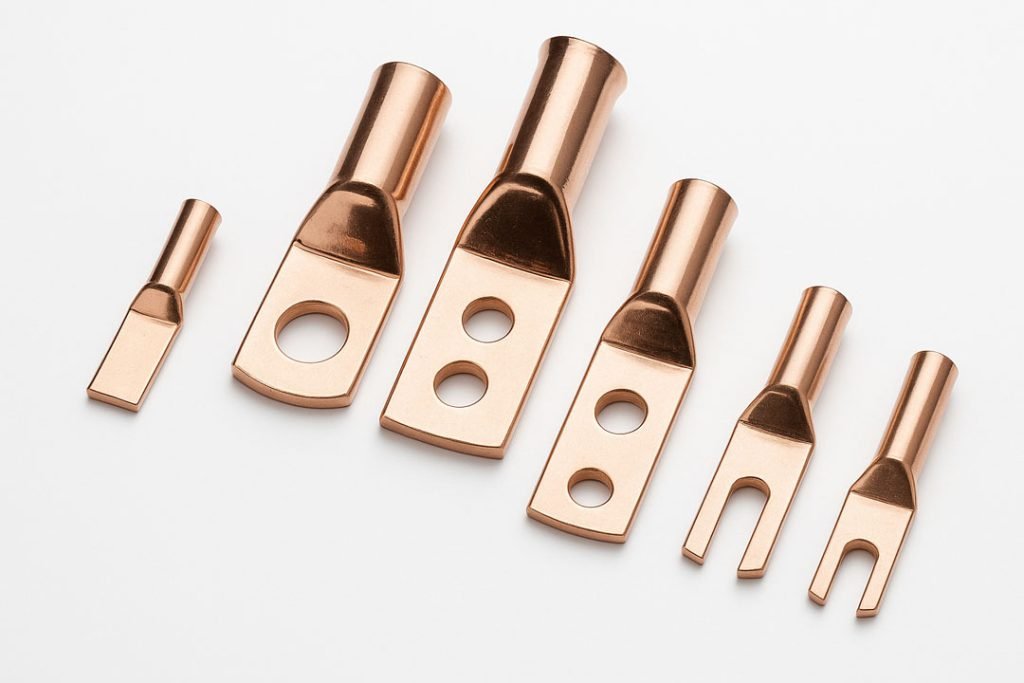
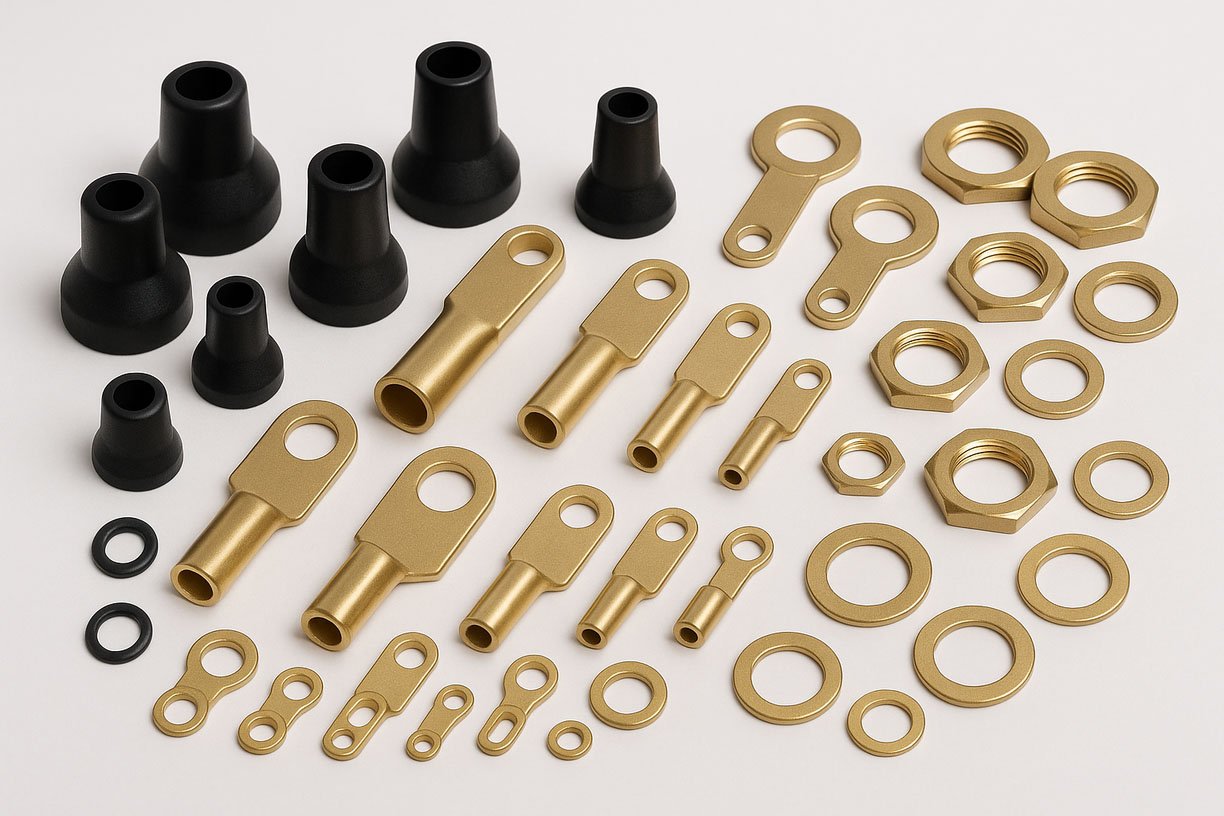
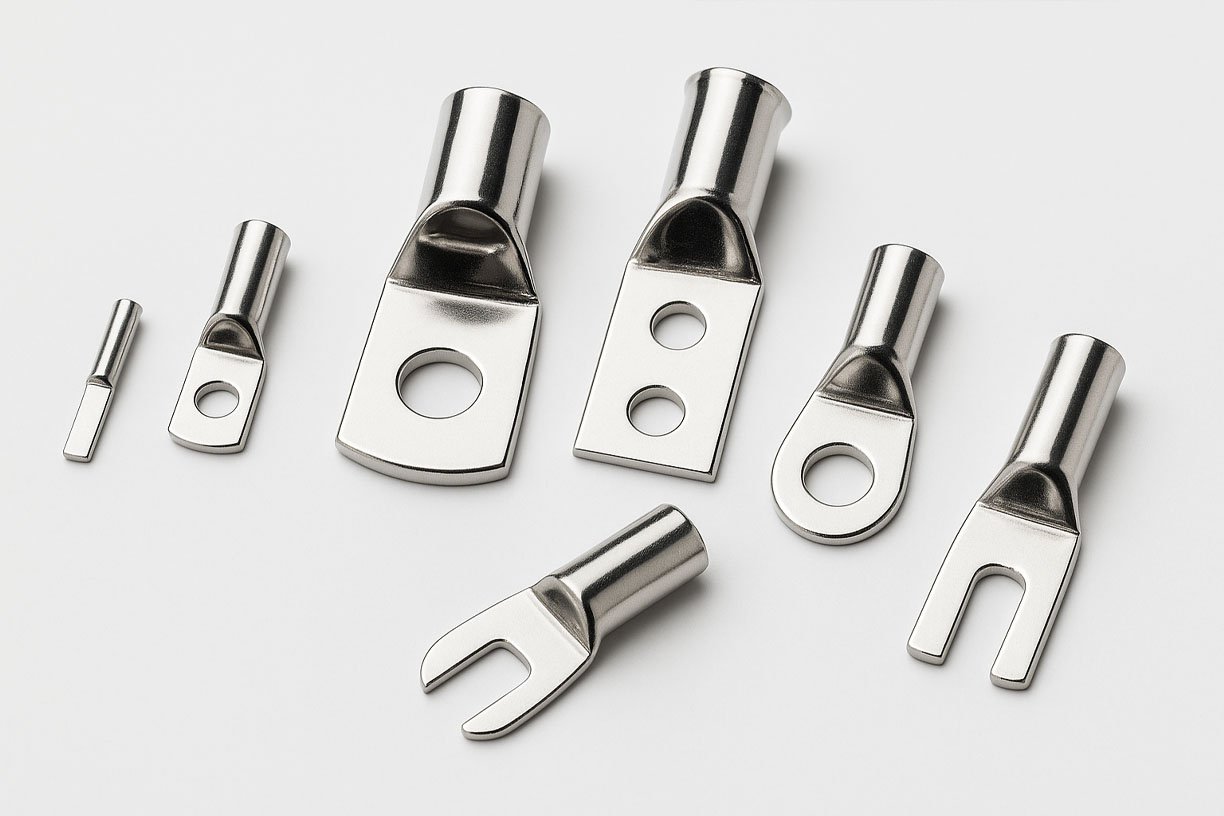
Copper Lugs Cable Terminals 01-k

Innovative Bell Entry Design with Inspection Windows

Copper Lugs Cable Terminals

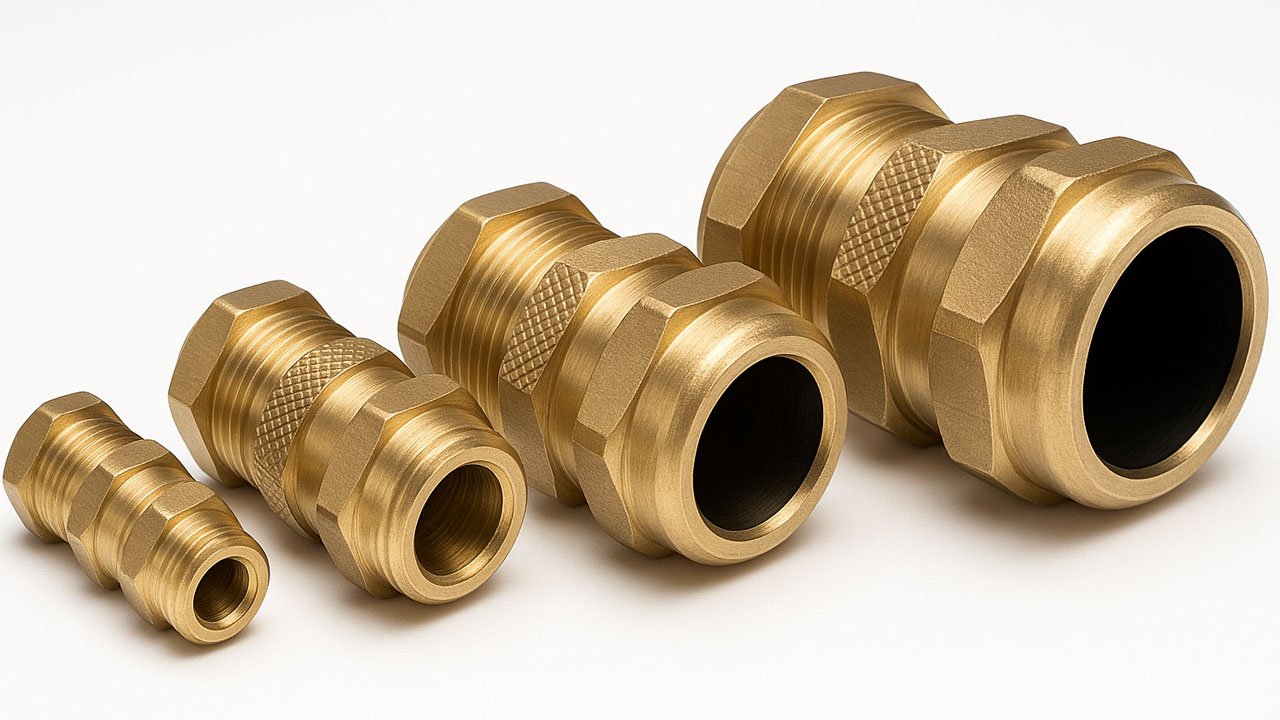
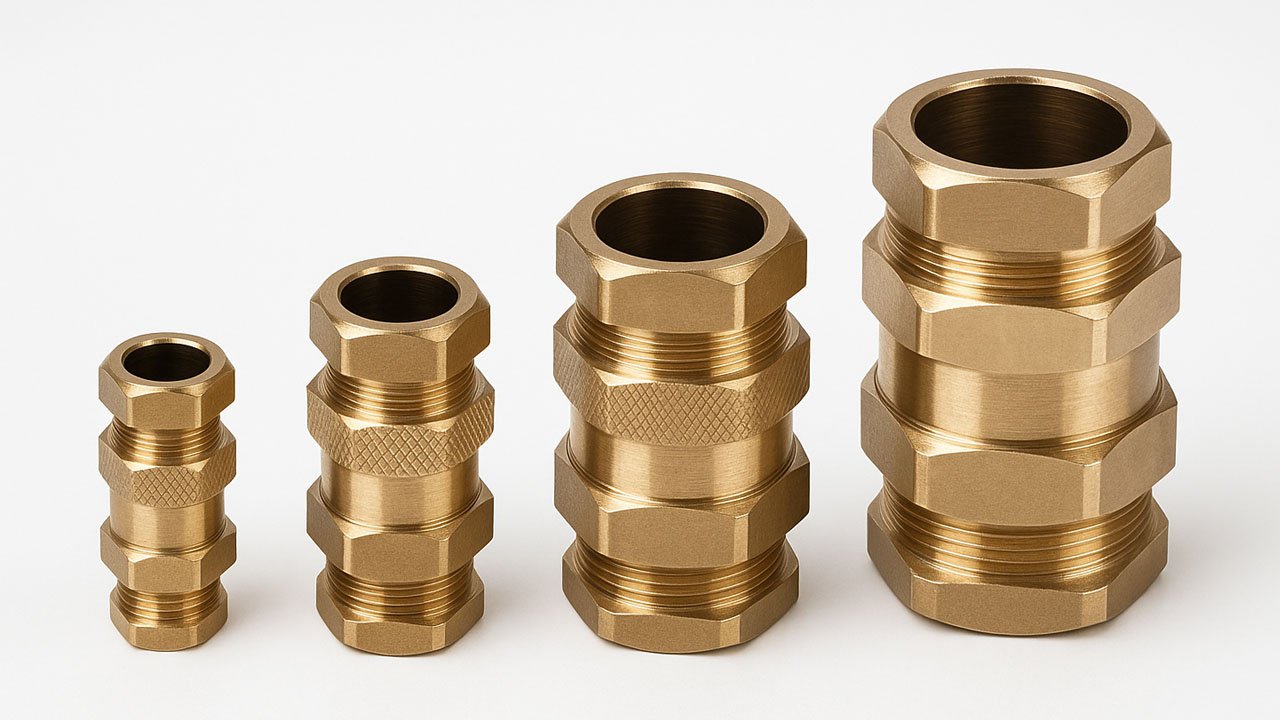
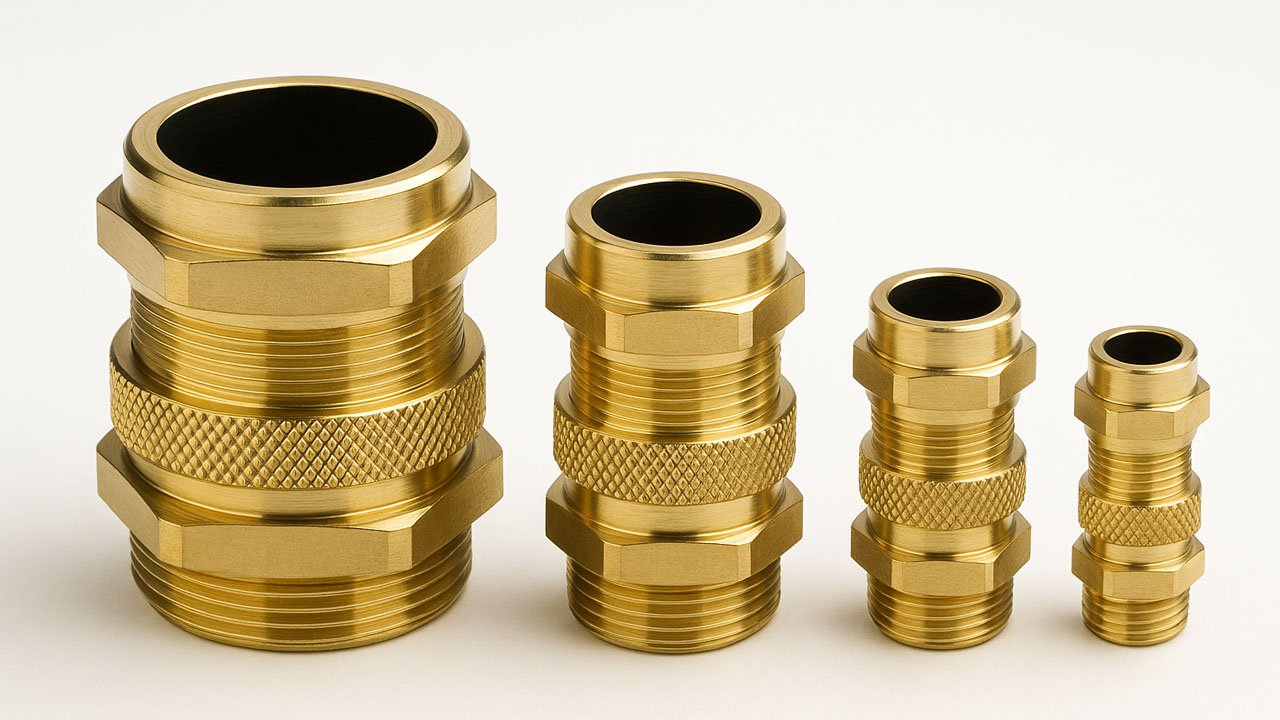
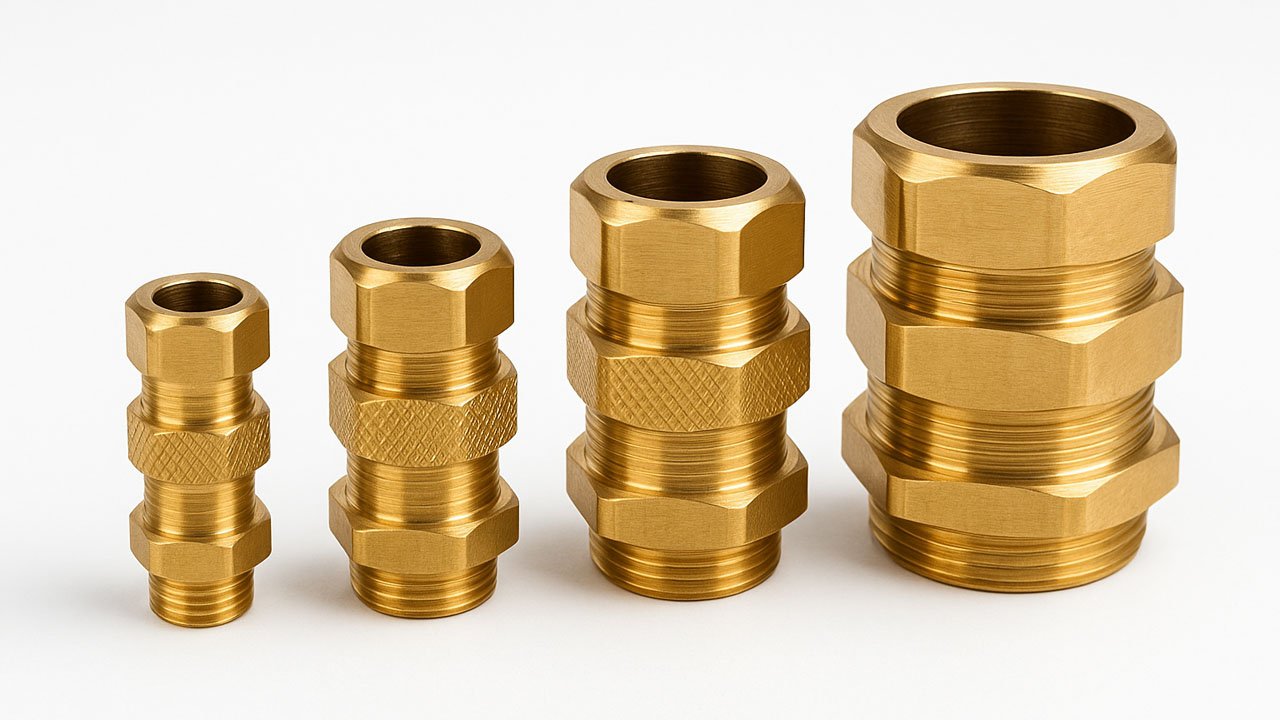
Engineered with cutting-edge technology, our Copper Lugs Cable Terminals feature an innovative bell entry design that facilitates easy cable insertion and secure termination. Manufactured from high conductivity seamless copper tube conforming to BS 2874-C 101 and ASTM B 152-C11000 standards, these terminals represent a breakthrough in electrical connection technology. As the first company in India to introduce bell entry copper terminals, we continue to lead the industry in innovation and quality.

Features

The revolutionary design incorporates inspection windows that ensure full conductor insertion, providing visual confirmation of proper installation and enhanced safety. Available with uniform electro-tin plating for operating temperatures up to 150°C, or electrolytic nickel plating for high-temperature applications up to 350°C. The seamless copper construction delivers superior electrical conductivity and mechanical strength, while the bell entry design reduces installation time and ensures reliable connections in critical electrical applications.

Specification

Size Range:

1.5mm² to 240mm²

Material:

BS 2874-C 101 / ASTM B 152-C11000

Finish:

Electro-Tin / Nickel Plating

Temperature:

Up to 350°C (Nickel Plated)

Technical FAQ – Copper Lugs and Cable Terminals

What material should a copper cable lug use?

Copper cable lugs are made from copper, with the grade, temper and surface finish specified for the connection. Tin plating is commonly used to protect the surface. Brass cable-gland material and entry-thread specifications do not describe a copper compression lug. Confirm the material and finish on the product drawing.

How is a cable lug sized?

Specify the copper conductor cross-section in mm² or AWG/kcmil, conductor stranding class, barrel dimensions and palm stud-hole size. A matching nominal conductor size alone does not establish compatibility with every cable construction. Confirm palm width, hole spacing and any inspection opening required.

Are these lugs suitable for aluminium conductors?

Use a connector specifically identified for aluminium or a compatible bimetallic transition when connecting aluminium. Do not assume that a copper lug is suitable for aluminium conductors or that plating alone establishes compatibility.

How should a compression lug be installed?

Use the lug manufacturer’s specified tooling, die, crimp sequence and conductor preparation. Tighten the palm connection to the documented torque for the assembly. Installation details depend on the selected lug and cable; a universal torque or crimp setting is not appropriate.

What determines the current and temperature rating?

The cable, termination design, contact resistance, enclosure conditions and installation determine the permitted operating conditions. Material conductivity or a plating temperature limit is not a current or temperature rating for the complete termination. Request model-specific ratings and test documentation where required.

What information is needed for a quotation?

Send the conductor specification, lug drawing or sample dimensions, palm-hole arrangement, copper grade, finish, quantity and destination. Identify any required standard, inspection report or approval so feasibility and documentation can be confirmed before ordering.

Related Products

Request a
Free Consultation

cta-three-img-1
cta-three-img-2