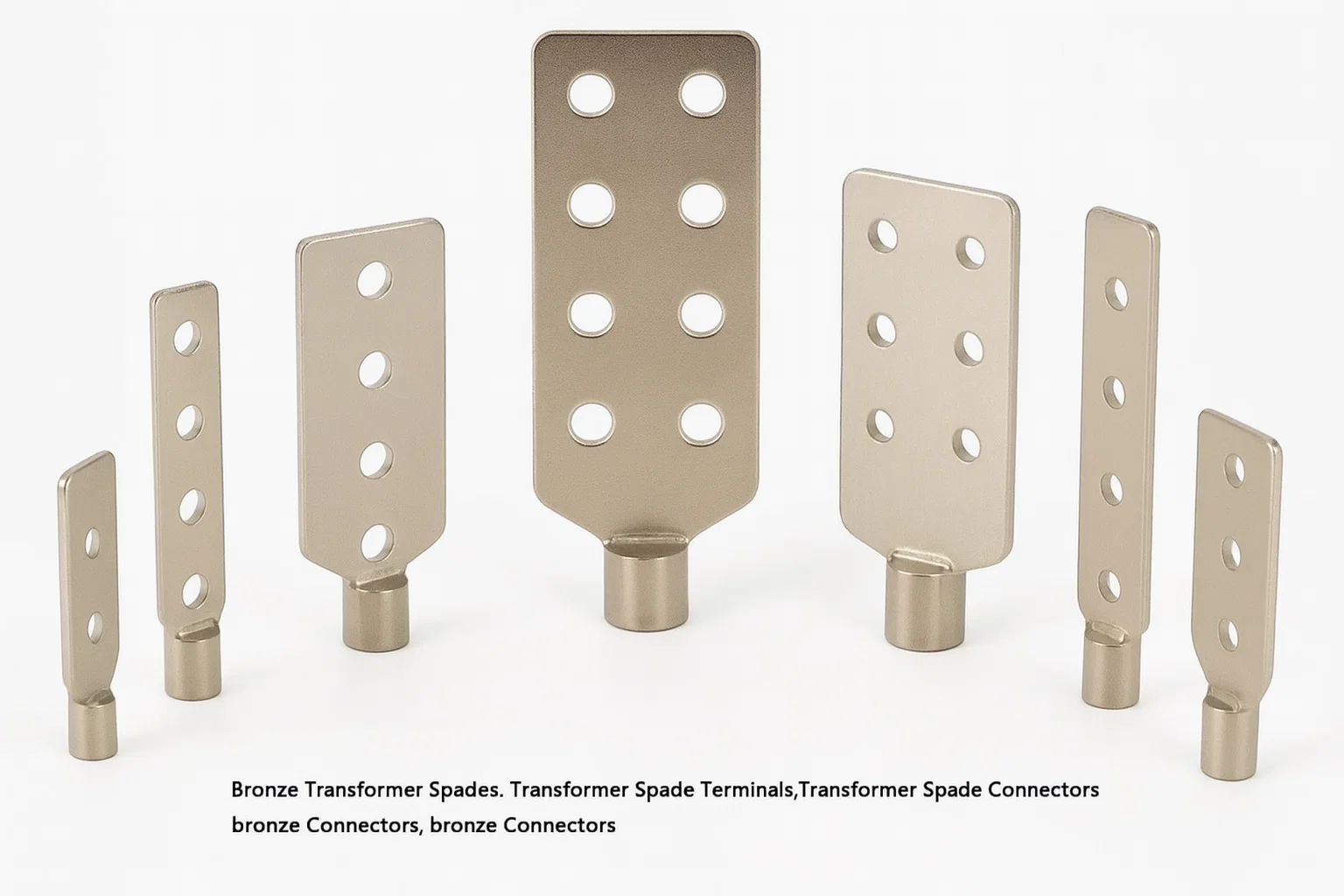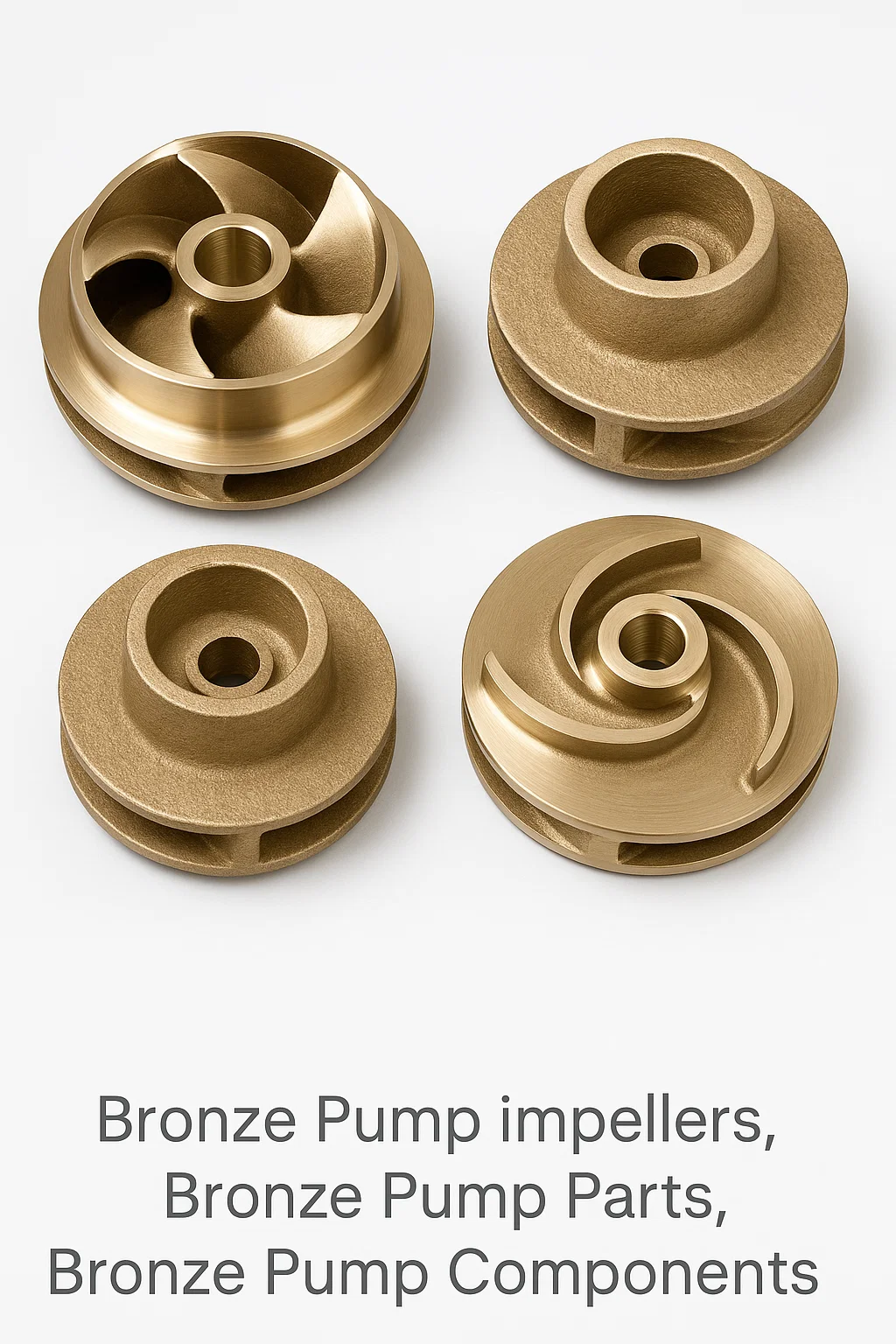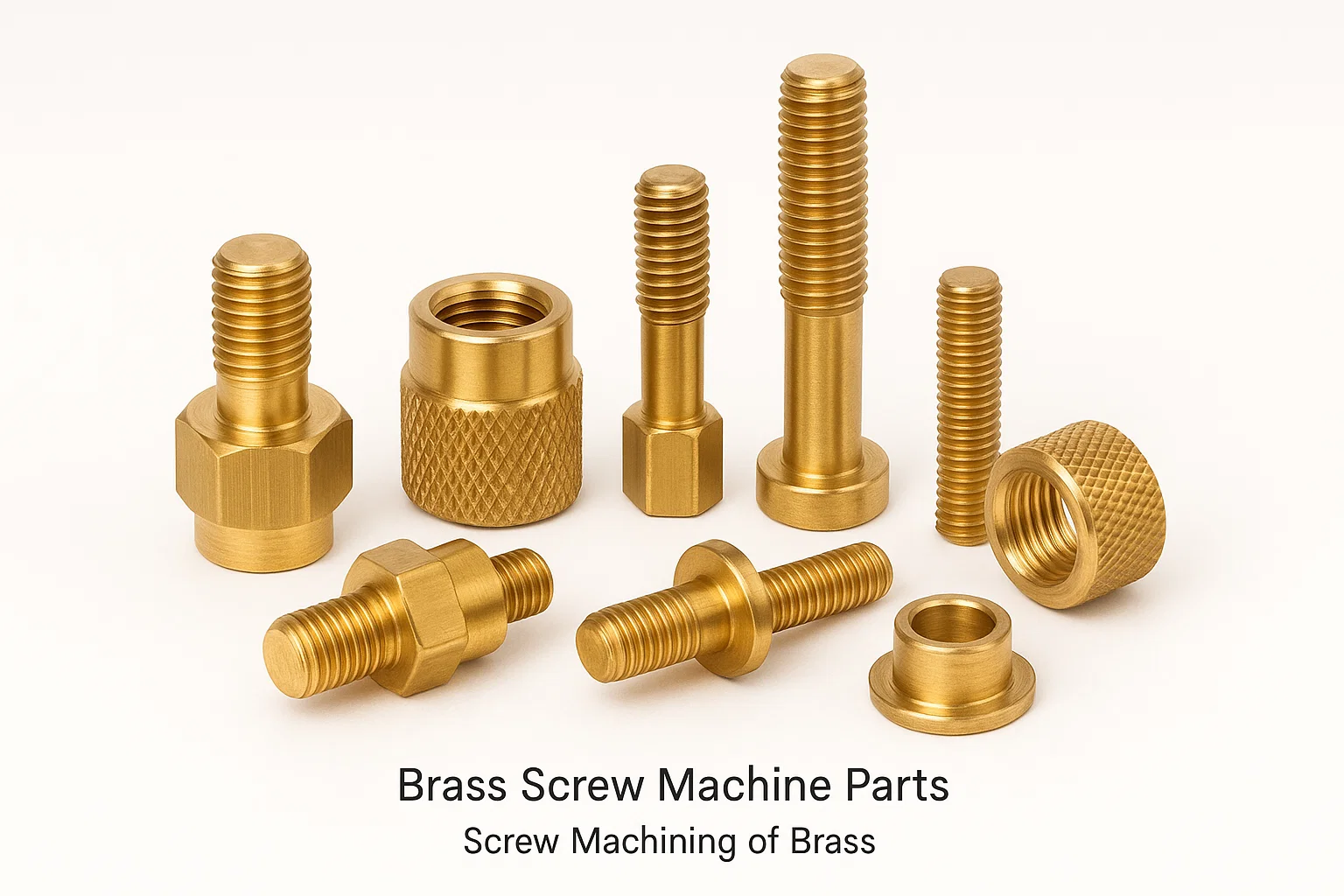


Brass Parts India manufactures and exports high-precision CW614N and CW617N Brass Machined Parts from our state-of-the-art facility in Jamnagar, India. These two EN-designated free-machining brass alloys are the most widely specified grades for CNC turned parts, screw machine components, and precision fittings — serving the electrical, plumbing, pneumatics, hydraulics, and automotive sectors in the USA and internationally. Our CW614N and CW617N components are manufactured to exacting tolerances, backed by certified material test reports, and shipped with competitive CIF pricing to all US ports.
CW614N vs CW617N – Understanding the Difference
CW614N (CuZn39Pb3) and CW617N (CuZn40Pb2) are distinct leaded brasses. CW614N is commonly selected for machining, while CW617N is commonly selected for hot-forged parts that may receive subsequent machining. Specify the correct product standard, alloy and condition; a shared brass trade name does not make them interchangeable.
| Property | CW614N (CuZn39Pb3) | CW617N (CuZn40Pb2) |
|---|---|---|
| Copper % | 57–59% | 57–59% |
| Lead % | 2.5–3.5% | 1.6–2.5% |
| Zinc % | Balance (~39%) | Balance (~40%) |
| Machinability Rating | 100% (benchmark) | 90–95% |
| Corrosion Resistance | Good | Good–Very Good |
| Tensile Strength | 380–450 N/mm² | 380–430 N/mm² |
| Best For | Maximum speed CNC/screw machine work | Fittings, valves, higher corrosion environments |
| UK/BS Equivalent | CZ121 | CZ122 |
| US Equivalent | C36000 | C37700 |
International Grade Cross-Reference Table
| EN Designation | BS (UK) | ASTM/UNS (USA) | DIN (Germany) | JIS (Japan) | ISO |
|---|---|---|---|---|---|
| CW614N | CZ121 | C36000 | CuZn39Pb3 / 2.0401 | C3604 | CuZn36Pb3 |
| CW617N | CZ122 | C37700 | CuZn40Pb2 / 2.0402 | C3771 | CuZn40Pb2 |
CW614N Brass Machined Parts – Products
CW614N CNC Turned Parts and Screw Machine Components
CW614N is the ultimate free-machining brass — 100% machinability rating means the highest cutting speeds, longest tool life, and best surface finish of any brass alloy. Brass Parts India produces high volumes of CW614N CNC turned components including bushings, spacers, standoffs, terminals, connectors, ferrules, valve stems, nozzles, and custom shapes. Tolerances to ±0.01 mm. Quantities from 1,000 to 10 million pieces.
CW614N Electrical Hardware and Terminal Components
Terminal screws, earth bolts, cable gland bodies, socket pins, plug contacts, relay components, and switchgear hardware. CW614N’s good electrical conductivity (~26% IACS) and ease of machining make it the preferred material for electrical connector and switchgear manufacturers worldwide.
CW614N Threaded Inserts and Moulding Inserts
Brass threaded inserts for plastic injection moulding and compression moulding — knurled, flanged, and heat-set types. Used in electronics enclosures, automotive trims, appliance bodies, and structural composite panels.
CW617N Brass Machined Parts – Products
CW617N Plumbing and Gas Fittings
CW617N (lower lead content, slightly higher zinc) is the preferred grade for plumbing compression fittings, push-fit connectors, gas fittings, valve bodies, and radiator connections where higher corrosion resistance and dezincification resistance (when treated) are required. Manufactured to BS EN 1254, ASTM B140, DIN 3384, and ANSI standards.
CW617N Valve Components and Ball Valve Bodies
Precision-machined CW617N valve stems, ball valve bodies, gate valve components, check valve parts, and needle valve seats. Available in 1/4″ BSP to 4″ BSP and NPT thread forms. Tested for pressure integrity per customer specifications.
CW617N HVAC and Refrigeration Fittings
Flare fittings, sweat fittings, SAE 45° and 37° JIC fittings for copper tube HVAC systems. CW617N resists the mild corrosion encountered in refrigerant and chilled water systems. Compatible with R-22, R-410A, and other refrigerants per ASHRAE standards.
CW617N Hydraulic and Pneumatic Components
Push-in fittings, push-to-connect couplings, manifold blocks, orifice plugs, and quick-release connectors in CW617N brass. Manufactured to Parker Hannifin, SMC, and Festo interface standards on request.
Manufacturing Capabilities
- CNC Turning: Single and multi-spindle CNC lathes, Swiss-type turning centers — parts from 2 mm to 200 mm diameter
- CNC Milling: 3-axis and 4-axis milling for complex geometries
- Threading: Metric (M1.6–M100), BSP, NPT, UNC, UNF, BSPP, BSPT
- Drilling and Boring: Precision drilled holes to H7 tolerance
- Knurling: Straight, diamond, and cross knurling
- Surface Finishes: As-machined, polished, nickel, chrome, zinc, tin, silver plating
- Assembly: Sub-assembly and kitting services
Quality and Standards
- ISO 9001:2015 Quality Management System
- Material sourced from certified Indian brass mills with full chemical analysis
- 100% dimensional inspection on critical features; AQL sampling on bulk
- PPAP documentation available for Tier 1/Tier 2 automotive customers
- RoHS 2.0, REACH, and Conflict Minerals declarations provided
- Third-party inspection (SGS, Bureau Veritas, TUV) accommodated on request
Why Choose Brass Parts India for CW614N/CW617N Parts?
- Jamnagar Manufacturing Hub: Located at the epicenter of India’s brass industry — lowest raw material costs, deepest skill base, fastest turnaround.
- Both Grades Available: We stock and machine both CW614N and CW617N — ready to supply per your specification.
- High-Volume Capability: Multi-machine CNC turning cells for 500,000+ pieces per month per component.
- Custom to Drawing: Any shape, thread form, tolerance, or finish from your 2D/3D files.
- Dedicated USA Export Team: Experienced in US import procedures, HTS classification, and compliance documentation.
- Pricing: Typically USD 0.04–USD 6.00/piece CIF US port, depending on size and complexity.
Frequently Asked Questions – CW614N and CW617N Brass
Q1: When should I specify CW614N vs CW617N?
A: Use CW614N when maximum machinability and production speed are the primary criteria — electrical components, high-volume screw machine parts, inserts. Choose CW617N when slightly better corrosion resistance or dezincification resistance is needed — plumbing fittings, valve bodies, gas components. For most general engineering applications either grade is suitable.
Q2: Are CW614N parts RoHS compliant?
A: CW614N contains up to 3.5% lead, which is technically above the RoHS 0.1% threshold for most product categories. However, it benefits from a RoHS exemption (Annex III, Exemption 6c) for “lead as an alloying element in brass up to 4% by weight.” This exemption covers many applications including electrical connectors and fittings. We provide RoHS compliance letters citing the applicable exemption. For fully lead-free requirements, we offer CW625N, CW626N, or silicon brass alternatives.
Q3: What is the minimum order quantity for CW614N/CW617N parts?
A: Prototype/sample: 50–100 pieces. Production runs: typically 1,000 pieces minimum per part number. High-volume standard components: no minimum. We accommodate blanket purchase orders with scheduled monthly releases.
Q4: Can you match existing supplier samples?
A: Yes. Send us a sample part or detailed drawing and we will produce first articles for your approval before full production. First article inspection reports (FAIR/PPAP Level 3) available.
Get a Quote
Contact Brass Parts India today for CW614N and CW617N brass machined parts. Email drawings to sales@brass-parts-india.com or call +91 22 4344 9300. We deliver CIF to all major US seaports and air freight hubs.
Prepare a CW614N or CW617N component specification
Identify the exact alloy and product standard on your drawing, along with the finished dimensions, thread details, tolerances, finish and quantity. Include the intended application and required material or inspection documents. Send your alloy-specific machining enquiry; agree any proposed substitution before ordering.
Related component and process guides
See the CZ121 machining guide for enquiries using that material designation, and our screw machining guide for production-process information. For a component example, explore brass ferrules and compression olives.
Brass Parts India manufactures and exports high-precision CW614N and CW617N Brass Machined Parts from our state-of-the-art facility in Jamnagar, India. These two EN-designated free-machining brass alloys are the most widely specified grades for CNC turned parts, screw machine components, and precision fittings — serving the electrical, plumbing, pneumatics, hydraulics, and automotive sectors in the USA and internationally. Our CW614N and CW617N components are manufactured to exacting tolerances, backed by certified material test reports, and shipped with competitive CIF pricing to all US ports.
CW614N vs CW617N – Understanding the Difference
Both CW614N and CW617N are leaded free-machining brasses under the European EN 12164/12168 standard, but they have distinct compositions and application strengths:
| Property | CW614N (CuZn39Pb3) | CW617N (CuZn40Pb2) |
|---|---|---|
| Copper % | 57–59% | 57–59% |
| Lead % | 2.5–3.5% | 1.6–2.5% |
| Zinc % | Balance (~39%) | Balance (~40%) |
| Machinability Rating | 100% (benchmark) | 90–95% |
| Corrosion Resistance | Good | Good–Very Good |
| Tensile Strength | 380–450 N/mm² | 380–430 N/mm² |
| Best For | Maximum speed CNC/screw machine work | Fittings, valves, higher corrosion environments |
| UK/BS Equivalent | CZ121 | CZ122 |
| US Equivalent | C36000 | C37700 |
International Grade Cross-Reference Table
| EN Designation | BS (UK) | ASTM/UNS (USA) | DIN (Germany) | JIS (Japan) | ISO |
|---|---|---|---|---|---|
| CW614N | CZ121 | C36000 | CuZn39Pb3 / 2.0401 | C3604 | CuZn36Pb3 |
| CW617N | CZ122 | C37700 | CuZn40Pb2 / 2.0402 | C3771 | CuZn40Pb2 |
CW614N Brass Machined Parts – Products
CW614N CNC Turned Parts and Screw Machine Components
CW614N is the ultimate free-machining brass — 100% machinability rating means the highest cutting speeds, longest tool life, and best surface finish of any brass alloy. Brass Parts India produces high volumes of CW614N CNC turned components including bushings, spacers, standoffs, terminals, connectors, ferrules, valve stems, nozzles, and custom shapes. Tolerances to ±0.01 mm. Quantities from 1,000 to 10 million pieces.
CW614N Electrical Hardware and Terminal Components
Terminal screws, earth bolts, cable gland bodies, socket pins, plug contacts, relay components, and switchgear hardware. CW614N’s good electrical conductivity (~26% IACS) and ease of machining make it the preferred material for electrical connector and switchgear manufacturers worldwide.
CW614N Threaded Inserts and Moulding Inserts
Brass threaded inserts for plastic injection moulding and compression moulding — knurled, flanged, and heat-set types. Used in electronics enclosures, automotive trims, appliance bodies, and structural composite panels.
CW617N Brass Machined Parts – Products
CW617N Plumbing and Gas Fittings
CW617N (lower lead content, slightly higher zinc) is the preferred grade for plumbing compression fittings, push-fit connectors, gas fittings, valve bodies, and radiator connections where higher corrosion resistance and dezincification resistance (when treated) are required. Manufactured to BS EN 1254, ASTM B140, DIN 3384, and ANSI standards.
CW617N Valve Components and Ball Valve Bodies
Precision-machined CW617N valve stems, ball valve bodies, gate valve components, check valve parts, and needle valve seats. Available in 1/4″ BSP to 4″ BSP and NPT thread forms. Tested for pressure integrity per customer specifications.
CW617N HVAC and Refrigeration Fittings
Flare fittings, sweat fittings, SAE 45° and 37° JIC fittings for copper tube HVAC systems. CW617N resists the mild corrosion encountered in refrigerant and chilled water systems. Compatible with R-22, R-410A, and other refrigerants per ASHRAE standards.
CW617N Hydraulic and Pneumatic Components
Push-in fittings, push-to-connect couplings, manifold blocks, orifice plugs, and quick-release connectors in CW617N brass. Manufactured to Parker Hannifin, SMC, and Festo interface standards on request.
Manufacturing Capabilities
- CNC Turning: Single and multi-spindle CNC lathes, Swiss-type turning centers — parts from 2 mm to 200 mm diameter
- CNC Milling: 3-axis and 4-axis milling for complex geometries
- Threading: Metric (M1.6–M100), BSP, NPT, UNC, UNF, BSPP, BSPT
- Drilling and Boring: Precision drilled holes to H7 tolerance
- Knurling: Straight, diamond, and cross knurling
- Surface Finishes: As-machined, polished, nickel, chrome, zinc, tin, silver plating
- Assembly: Sub-assembly and kitting services
Quality and Standards
- ISO 9001:2015 Quality Management System
- Material sourced from certified Indian brass mills with full chemical analysis
- 100% dimensional inspection on critical features; AQL sampling on bulk
- PPAP documentation available for Tier 1/Tier 2 automotive customers
- RoHS 2.0, REACH, and Conflict Minerals declarations provided
- Third-party inspection (SGS, Bureau Veritas, TUV) accommodated on request
Why Choose Brass Parts India for CW614N/CW617N Parts?
- Jamnagar Manufacturing Hub: Located at the epicenter of India’s brass industry — lowest raw material costs, deepest skill base, fastest turnaround.
- Both Grades Available: We stock and machine both CW614N and CW617N — ready to supply per your specification.
- High-Volume Capability: Multi-machine CNC turning cells for 500,000+ pieces per month per component.
- Custom to Drawing: Any shape, thread form, tolerance, or finish from your 2D/3D files.
- Dedicated USA Export Team: Experienced in US import procedures, HTS classification, and compliance documentation.
- Pricing: Typically USD 0.04–USD 6.00/piece CIF US port, depending on size and complexity.
Frequently Asked Questions – CW614N and CW617N Brass
Q1: When should I specify CW614N vs CW617N?
A: Use CW614N when maximum machinability and production speed are the primary criteria — electrical components, high-volume screw machine parts, inserts. Choose CW617N when slightly better corrosion resistance or dezincification resistance is needed — plumbing fittings, valve bodies, gas components. For most general engineering applications either grade is suitable.
Q2: Are CW614N parts RoHS compliant?
A: CW614N contains up to 3.5% lead, which is technically above the RoHS 0.1% threshold for most product categories. However, it benefits from a RoHS exemption (Annex III, Exemption 6c) for “lead as an alloying element in brass up to 4% by weight.” This exemption covers many applications including electrical connectors and fittings. We provide RoHS compliance letters citing the applicable exemption. For fully lead-free requirements, we offer CW625N, CW626N, or silicon brass alternatives.
Q3: What is the minimum order quantity for CW614N/CW617N parts?
A: Prototype/sample: 50–100 pieces. Production runs: typically 1,000 pieces minimum per part number. High-volume standard components: no minimum. We accommodate blanket purchase orders with scheduled monthly releases.
Q4: Can you match existing supplier samples?
A: Yes. Send us a sample part or detailed drawing and we will produce first articles for your approval before full production. First article inspection reports (FAIR/PPAP Level 3) available.
Get a Quote
Contact Brass Parts India today for CW614N and CW617N brass machined parts. Email drawings to sales@brass-parts-india.com or call +91 22 4344 9300. We deliver CIF to all major US seaports and air freight hubs.
Prepare a CW614N or CW617N component specification
Identify the exact alloy and product standard on your drawing, along with the finished dimensions, thread details, tolerances, finish and quantity. Include the intended application and required material or inspection documents. Send your alloy-specific machining enquiry; agree any proposed substitution before ordering.
Related component and process guides
See the CZ121 machining guide for enquiries using that material designation, and our screw machining guide for production-process information. For a component example, explore brass ferrules and compression olives.