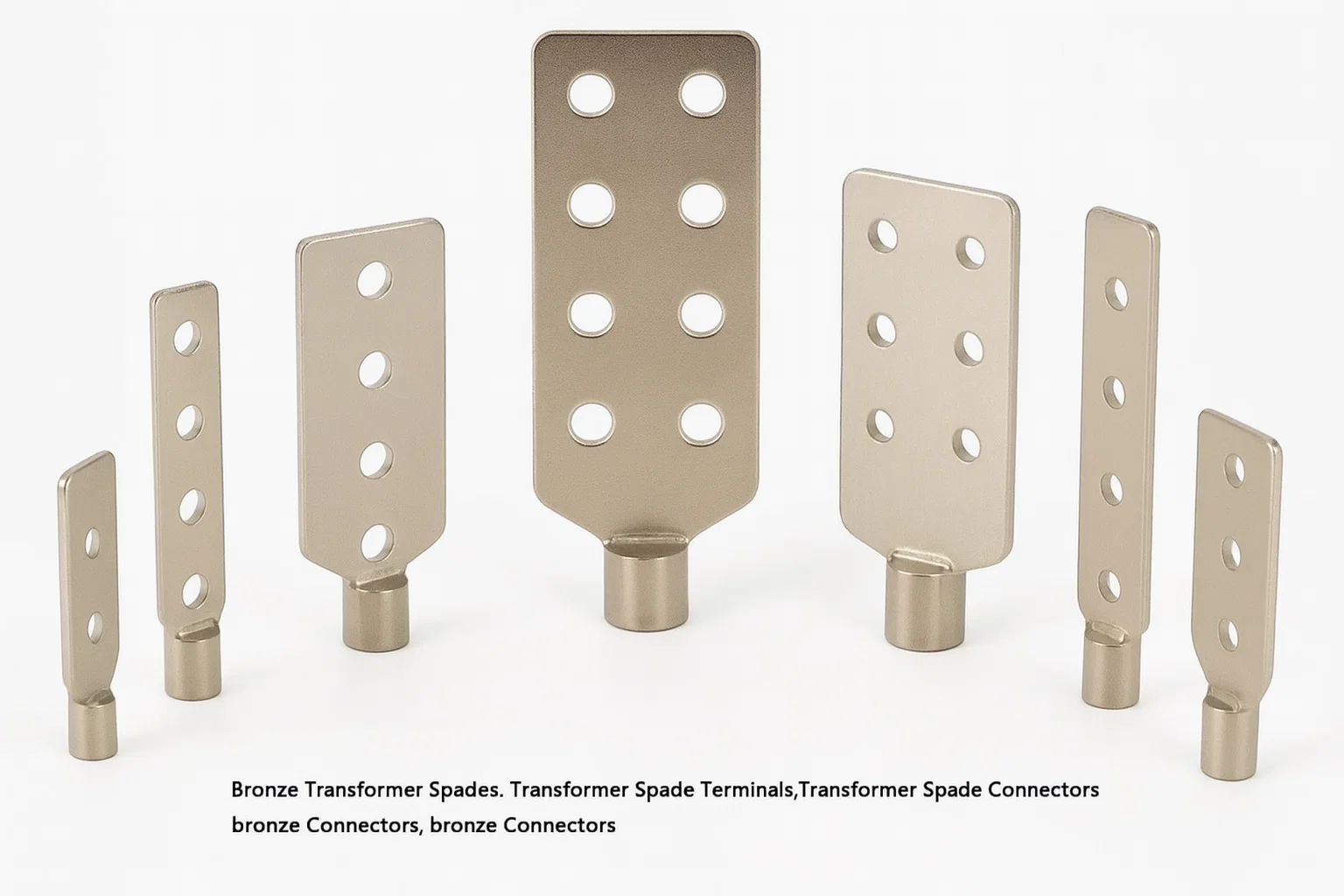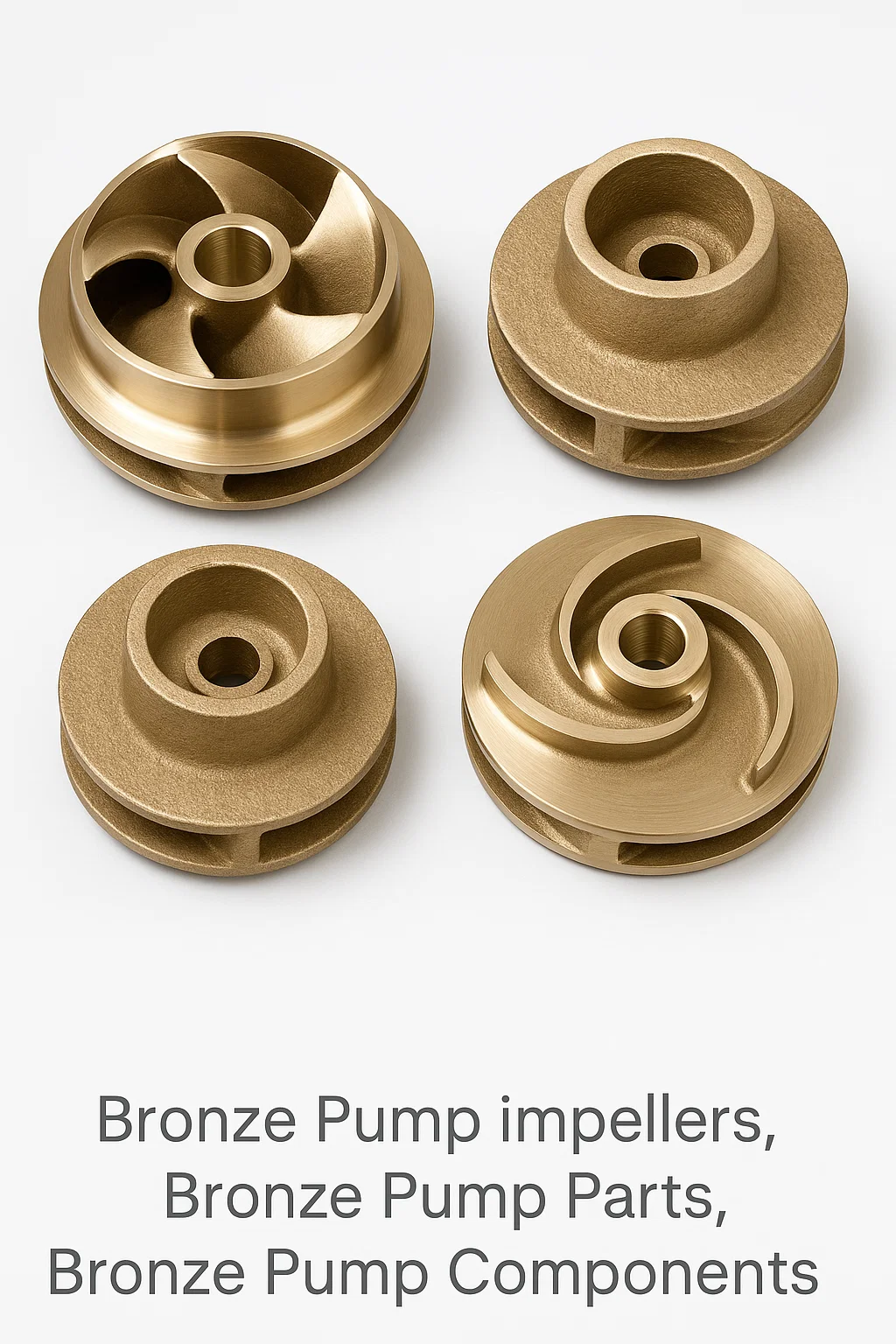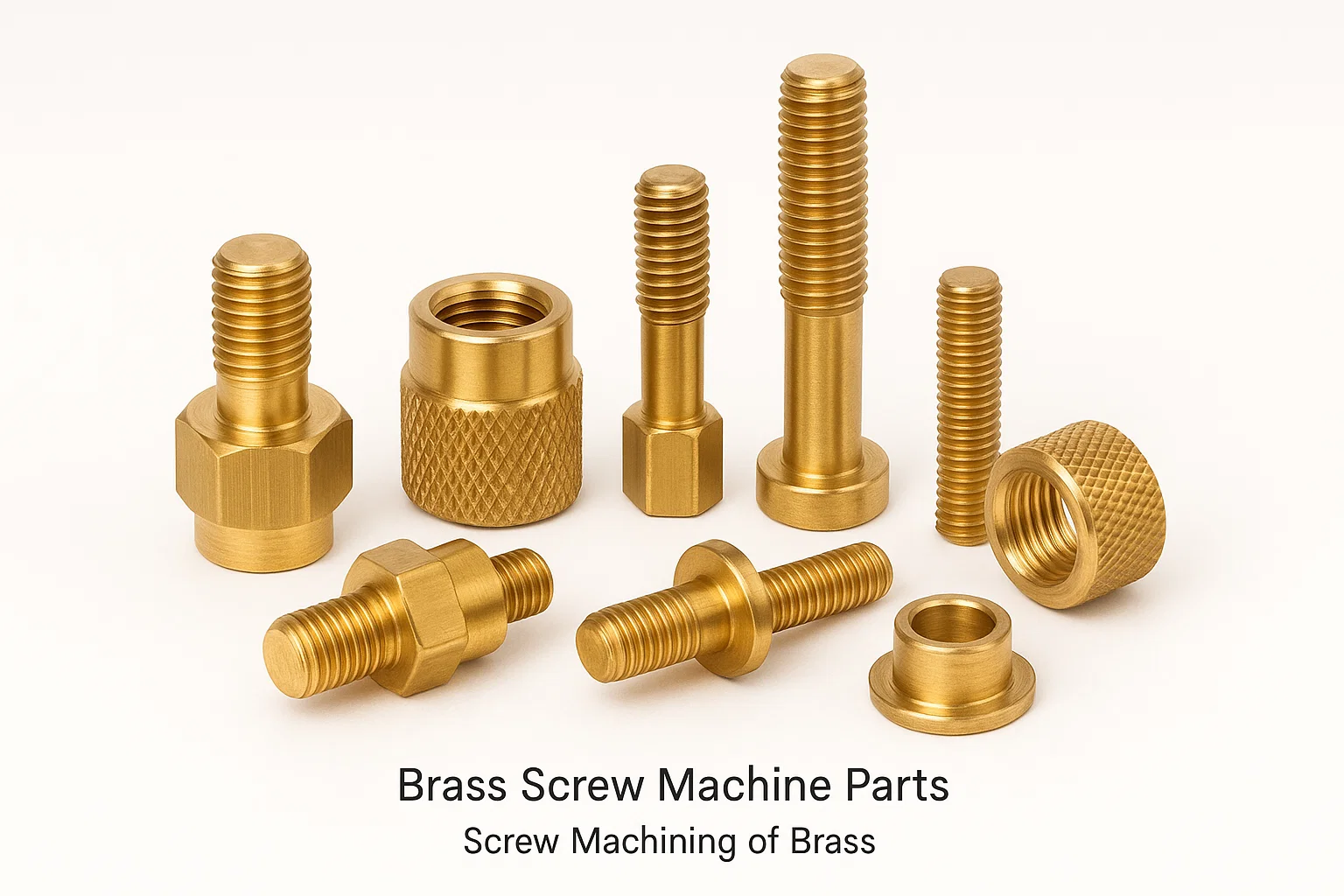
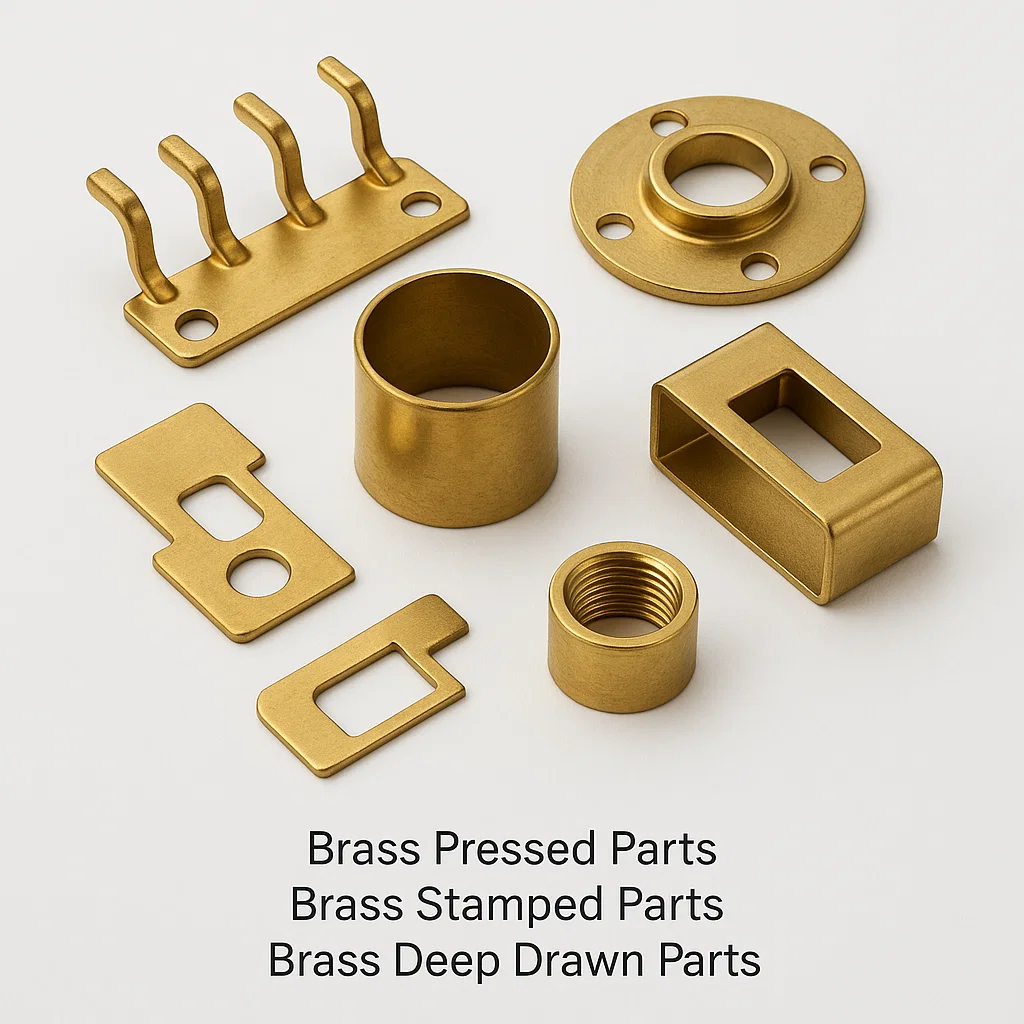

Brass Pressed Parts, Brass Stamped Parts, and Brass Deep Drawn Components
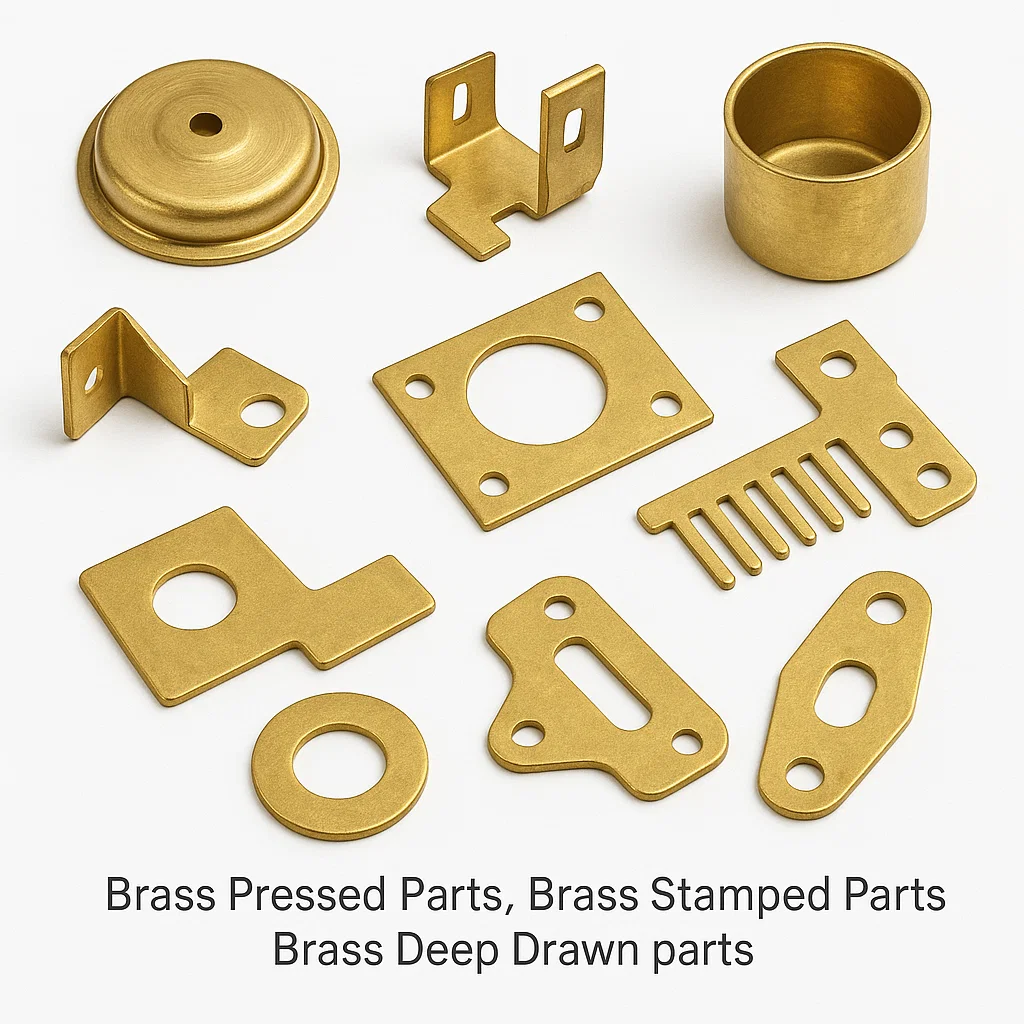
Precision-Engineered Brass Forming Solutions for Global Industries
We are one of the leading manufacturers and exporters of Brass Pressed Parts, Brass Stamped Parts, and Brass Deep Drawn Components from India. We have been supplying precision-engineered Brass components to the world market for many decades. Our manufacturing facility specializes in high-volume production of complex Brass parts through advanced metal forming techniques including stamping, pressing, and deep drawing operations. With over three decades of experience serving customers across the United States, United Kingdom, Canada, and Australia, we understand the exact requirements of international quality standards and deliver components that meet or exceed specifications. Our engineering team works closely with clients from initial design consultation through final delivery, ensuring every Brass component matches the precise dimensional and functional requirements. Whether you need automotive Brass terminals, electrical connectors, plumbing fittings, or custom hardware components, our state-of-the-art manufacturing capabilities and commitment to quality make us your trusted partner for all Brass metal forming needs.
Understanding Brass Pressed Parts
Brass Pressed Parts represent components manufactured through mechanical pressing operations where Brass sheet metal is forced into dies using hydraulic or mechanical presses to achieve desired shapes. The pressing process applies controlled force to deform Brass material plastically, creating components with excellent dimensional accuracy and surface finish. Our Brass pressing operations handle material thicknesses ranging from 0.3mm to 6mm, producing everything from simple flat washers to complex three-dimensional geometries. The pressing technique offers significant advantages for medium to high-volume production runs, typically from 5,000 pieces upward, where tooling costs can be amortized across larger quantities. We manufacture Brass pressed components for electrical switchgear assemblies, automotive interior hardware, decorative architectural elements, and industrial fastening systems. The cold working process during pressing actually increases the strength of Brass through work hardening, resulting in components with improved mechanical properties compared to as-cast alternatives. Our precision presses range from 25-ton capacity machines for delicate electronic components up to 400-ton giants handling heavy-duty industrial hardware.
Brass Stamped Parts Manufacturing
Brass Stamped Parts are produced through progressive die stamping where Brass strip or coil material advances through multiple stations, each performing specific operations like blanking, piercing, forming, and trimming. Stamping remains the most economical method for producing high volumes of Brass components with consistent quality, particularly for parts requiring multiple features or complex geometries formed in a single stroke. Our stamping facility operates both mechanical and servo-driven presses offering speeds from 60 to 300 strokes per minute depending on part complexity and material thickness. We regularly manufacture stamped Brass electrical terminals, automotive connectors, electronic contact springs, plumbing valve components, and telecommunications hardware. The stamping process excels at maintaining tight tolerances across millions of parts, with our production achieving positional accuracy within ±0.05mm for critical features. Material utilization in stamping operations typically reaches 75-85% efficiency through optimized nesting patterns and progressive die layouts, making it cost-effective for both prototype and production quantities. Our engineering team assists customers in design-for-manufacturability reviews, often suggesting modifications that reduce material waste, eliminate secondary operations, or improve part functionality.
Brass Deep Drawn Parts Production
Brass Deep Drawn Parts are manufactured through a specialized forming process where Brass blanks are drawn through dies using punch pressure, creating seamless cylindrical or box-shaped components with depth exceeding their diameter. Deep drawing allows production of complex hollow Brass shapes without welding or joining operations, resulting in stronger, leak-proof components ideal for pressure vessels, containers, and enclosures. Our deep drawing capabilities produce parts with draw ratios up to 2.5:1 in single operations, with multi-stage drawing enabling even deeper geometries for specialized applications. We manufacture deep drawn Brass cartridge cases, pressure sensor housings, electronic shielding cans, musical instrument components, and decorative architectural elements. The process maintains excellent material uniformity and surface finish while work-hardening the Brass for enhanced strength characteristics. Our hydraulic deep drawing presses range from 50-ton to 600-ton capacity, equipped with sophisticated blank holding systems and automated material feeding for consistent results. The seamless construction of deep drawn Brass parts eliminates potential leak points and weak zones present in welded or mechanically fastened assemblies, making them preferred choices for demanding applications in aerospace, defense, and medical device industries.
Brass Pressed Components Applications
Brass pressed components serve critical functions across diverse industrial sectors where the unique properties of Brass alloys—corrosion resistance, electrical conductivity, antimicrobial characteristics, and aesthetic appeal—combine with cost-effective manufacturing. In electrical and electronics industries, we supply pressed Brass terminals, contact clips, grounding lugs, switch components, and connector housings where excellent electrical conductivity and spring properties are essential. Automotive applications include pressed Brass radiator tanks, fuel system fittings, instrument panel bezels, door lock strikers, and seat adjustment hardware. Plumbing and sanitary fittings represent another major segment, with our pressed Brass components appearing in faucet bodies, valve stems, pipe connectors, and shower assemblies. The construction industry utilizes our Brass pressed parts for door hardware, window fittings, curtain rod accessories, and decorative architectural elements. Our pressed components also serve specialized markets including pneumatic control systems, hydraulic manifolds, marine hardware, and industrial instrumentation.
Material Grades for Brass Pressing, Stamping and Deep Drawing Operations
Our manufacturing facility processes a comprehensive range of Brass alloys selected based on specific application requirements for formability, strength, corrosion resistance, and machinability. The selection of appropriate Brass grade significantly impacts manufacturing success and component performance.
| Standard | Designation | Composition (Cu-Zn) | Key Properties | Typical Applications |
|---|---|---|---|---|
| ASTM B36 | C26000 (Cartridge Brass) | 70Cu-30Zn | Excellent cold working, deep drawing capability | Deep drawn cases, shells, stamped automotive parts |
| ASTM B36 | C27000 (Yellow Brass) | 65Cu-35Zn | Good formability, lower cost | Pressed hardware, decorative components, plumbing fixtures |
| ASTM B36 | C28000 (Muntz Metal) | 60Cu-40Zn | Higher strength, hot working preferred | Architectural elements, marine hardware, large pressed parts |
| EN 12163 | CW508L (CuZn37) | 63Cu-37Zn | Excellent stamping, good corrosion resistance | European automotive connectors, electrical terminals |
| EN 12163 | CW509L (CuZn30) | 70Cu-30Zn | Superior deep drawing characteristics | Complex formed parts, instrument components |
| DIN 17660 | CuZn37 | 63Cu-37Zn | Good formability, cost-effective | German automotive industry, pressed hardware |
| DIN 17660 | CuZn40 | 60Cu-40Zn | Higher strength applications | Industrial pressed components, heavy-duty hardware |
| JIS H3100 | C2600 | 70Cu-30Zn | Japanese equivalent to Cartridge Brass | Electronics, automotive, precision stamped parts |
| JIS H3100 | C2680 | 65Cu-35Zn | Moderate formability | General hardware, plumbing components |
| IS 291 | HB 62 | 62Cu-38Zn | Indian standard, general purpose | Domestic electrical, plumbing pressed parts |
| IS 291 | HB 70 | 70Cu-30Zn | Premium formability | High-precision Indian market requirements |
| GB/T 5231 | H62 | 62Cu-38Zn | Chinese standard, widely used | Mass production pressed parts, export components |
| GB/T 5231 | H65 | 65Cu-35Zn | Good stamping properties | Electronics housings, automotive terminals |
Our material selection process considers forming requirements, final mechanical properties, surface finish expectations, and cost objectives to recommend the optimal Brass grade for each customer application.
Advanced Manufacturing Processes and Machinery
Press Equipment and Capabilities
Our manufacturing complex houses over 35 mechanical and hydraulic presses ranging from precision 25-ton machines for delicate electronic components to massive 600-ton systems for large automotive and industrial parts. Mechanical presses offer high-speed production ideal for stamping operations, running between 60 to 300 strokes per minute depending on part complexity and die changeover requirements. These machines provide consistent force delivery and excellent repeatability for high-volume runs. Hydraulic presses excel in deep drawing and forming operations where controlled force application throughout the stroke cycle prevents material cracking and ensures optimal metal flow. Our servo-driven press systems represent the latest technology, offering programmable force curves and slide motion profiles that optimize material forming while reducing die wear.
Progressive Die Stamping Systems
Progressive die stamping represents our highest-volume manufacturing method, processing Brass coil material through multi-station dies where each stroke performs multiple operations simultaneously. Our progressive tools typically incorporate 8 to 24 stations depending on part complexity, performing operations including unwinding, straightening, blanking, piercing, forming, trimming, and sometimes in-die tapping or assembly. Automated coil feeding systems maintain precise material advancement, critical for maintaining positional accuracy across all stamping stations. Die sensors monitor every stroke cycle, detecting abnormal conditions like material misfeed, slug jamming, or punch breakage, automatically stopping production to prevent cascade failures. We invest significant engineering resources in progressive die design, utilizing 3D CAD modeling and finite element analysis to optimize metal flow, minimize material waste, and predict forming issues before cutting steel.
Deep Drawing Technology
Deep drawing operations require specialized equipment and expertise to successfully transform flat Brass blanks into seamless hollow shapes. Our hydraulic deep drawing presses feature sophisticated blank holding systems applying precise downward force preventing material wrinkling while allowing controlled metal flow. Multi-stage deep drawing capabilities enable production of components with extreme depth-to-diameter ratios, processing parts through sequential drawing operations with intermediate annealing when required. Draw rings and punches are precision-machined from tool steels and maintained to tolerances within 0.01mm to ensure consistent part quality. We employ draw simulation software predicting material thinning, wrinkle formation, and potential splitting before manufacturing expensive tooling, significantly reducing development time and costs.
Quality Control and Measurement Systems
Every Brass pressed, stamped, or deep drawn component undergoes rigorous inspection using advanced measurement equipment. Our coordinate measuring machines (CMM) provide three-dimensional verification of critical dimensions with accuracy to 0.005mm, generating detailed inspection reports for customer documentation. Optical comparators project magnified part profiles onto calibrated screens for rapid visual verification of complex geometries. Surface finish is measured using profilometers ensuring Ra values meet specifications. Hardness testing verifies material properties match requirements. Statistical process control systems monitor production trends, alerting operators to developing issues before out-of-specification parts are produced.
Typical Brass Pressed, Stamped and Deep Drawn Parts
Electrical and Electronics Components
Brass terminal blocks, socket contacts, switch blades, fuse clips, grounding lugs, battery terminals, circuit breaker components, transformer bushings, motor commutator segments, connector housings, cable glands, junction box terminals, lightning arrestor parts, relay contact springs, and electrical panel hardware. These components leverage Brass’s excellent electrical conductivity (approximately 28% IACS) combined with good spring properties and corrosion resistance.
Automotive Applications
Radiator tanks and end caps, fuel injection system fittings, brake line connectors, transmission cooler components, door lock strikers, seat adjustment hardware, instrument cluster bezels, trim clips, mirror mounting brackets, wiring harness terminals, sensor housings, fluid reservoir components, heater core tanks, and cooling system fittings. Automotive parts typically require compliance with stringent dimensional tolerances and material specifications.
Plumbing and Sanitary Fixtures
Faucet cartridge housings, valve stems and seats, shower mixer bodies, compression fitting components, pipe connection flanges, water meter parts, backflow preventer components, pressure regulator housings, sink drain assemblies, toilet flush valve parts, and water heater elements. Plumbing applications benefit from Brass’s dezincification resistance and antimicrobial properties.
Industrial and Pneumatic Systems
Compressed air manifold bodies, pneumatic cylinder end caps, quick-disconnect coupling components, pressure gauge housings, flow control valve parts, hydraulic system fittings, industrial pump components, lubrication system parts, spray nozzle bodies, and compressed gas regulator housings.
Surface Finishes and Plating Options
| Finish Type | Thickness/Specification | Properties | Applications |
|---|---|---|---|
| Natural Brass | As-pressed | Aesthetic golden color, natural oxidation | Decorative hardware, architectural elements |
| Nickel Plating | 5-15 microns per ASTM B689 | Corrosion protection, bright appearance | Automotive trim, electrical terminals |
| Chrome Plating | 0.25-1.0 micron over nickel | Superior hardness, wear resistance | Plumbing fixtures, door hardware |
| Tin Plating | 2-8 microns per ASTM B545 | Solderability, electrical applications | Electronic connectors, PCB terminals |
| Silver Plating | 1-5 microns per ASTM B700 | Maximum conductivity, low contact resistance | High-frequency RF connectors, switching contacts |
| Zinc Plating | 5-12 microns | Corrosion protection, cost-effective | Industrial hardware, automotive components |
| Passivation | Chemical treatment | Enhanced corrosion resistance | Marine hardware, outdoor applications |
| Powder Coating | 50-100 microns | Color variety, durability | Architectural components, decorative parts |
| Lacquer Coating | 5-10 microns | Prevents tarnishing, maintains natural color | Decorative pressed parts, musical instruments |
Our plating facility operates barrel, rack, and selective plating lines meeting international standards including ASTM, DIN, and IS specifications, with full traceability documentation.
Industries Served and Application Sectors
Electrical Distribution and Power Generation – Pressed Brass components serve critical functions in switchgear assemblies, transformer bushings, circuit breaker terminals, electrical panel hardware, and power distribution systems where consistent electrical conductivity and mechanical reliability are paramount. Our components meet UL, IEC, and regional electrical safety standards.
Automotive and Transportation – The automotive industry consumes significant volumes of stamped and pressed Brass parts for fuel systems, cooling systems, electrical harnesses, body hardware, and interior components. We supply Tier 1 and Tier 2 automotive suppliers requiring PPAP documentation, IMDS material declarations, and compliance with automotive quality management systems.
Building Construction and Architecture – Brass pressed components appear throughout modern buildings in door hardware, window fittings, curtain wall systems, plumbing fixtures, HVAC components, and decorative architectural elements. We provide components meeting building code requirements across North America, Europe, and Asia-Pacific regions.
Industrial Machinery and Equipment – Manufacturing equipment, processing machinery, material handling systems, and industrial controls incorporate our Brass pressed components in pneumatic circuits, hydraulic systems, lubrication systems, and control panels where reliability under demanding operating conditions is essential.
Plumbing and HVAC Systems – Residential and commercial plumbing systems, heating distribution networks, air conditioning components, and water treatment equipment utilize our pressed Brass parts meeting NSF/ANSI standards for potable water contact and low-lead requirements.
Telecommunications and Data Infrastructure – Network equipment, telecommunications switching systems, data center hardware, and fiber optic installations incorporate our precision-stamped Brass components in connector assemblies, grounding systems, and cable management hardware.
Medical and Laboratory Equipment – Brass components serve in medical diagnostic equipment, laboratory instrumentation, fluid handling systems, and surgical devices where antimicrobial properties, corrosion resistance, and precision manufacturing meet stringent regulatory requirements.
Manufacturing Tolerances and Specifications
Dimensional Accuracy Standards
General tolerance capabilities for Brass pressed and stamped parts: Linear dimensions ±0.10mm for features under 50mm, ±0.15mm for features 50-200mm, ±0.25mm for features over 200mm. Hole positioning accuracy ±0.05mm when pierced in progressive dies. Perpendicularity and parallelism within 0.15mm over 100mm span. Surface flatness 0.20mm maximum deviation over component length. Angular accuracy ±1 degree for bent features. Thread specifications per ASME B1.1 or ISO 965 standards.
Tighter tolerances achievable: Critical features requiring precision grinding, machining, or specialized forming can achieve ±0.02mm when specified during design phase with appropriate tooling investment.
Material Thickness Tolerances: Brass sheet and strip material supplied per ASTM B36 standard typically carries ±0.03mm thickness variation which affects final part dimensions, particularly in deep drawn components where material thinning occurs during forming process.
Dimensional Chart for Common Brass Pressed Components
| Component Type | Length (mm) | Width (mm) | Thickness (mm) | Weight (grams) | Tolerance (mm) |
|---|---|---|---|---|---|
| Electrical Terminal Small | 15-25 | 6-12 | 0.5-0.8 | 0.8-2.5 | ±0.05 |
| Automotive Connector Pin | 20-40 | 3-8 | 0.8-1.2 | 1.5-5.0 | ±0.08 |
| Plumbing Valve Seat | 25-50 | 25-50 | 2.0-4.0 | 15-60 | ±0.10 |
| Deep Drawn Cartridge Case | 40-75 | 25-40 diameter | 0.6-1.0 | 8-25 | ±0.12 |
| Hardware Mounting Bracket | 50-120 | 30-80 | 1.5-3.0 | 25-150 | ±0.15 |
| Architectural Trim Component | 100-300 | 40-100 | 1.2-2.5 | 60-400 | ±0.20 |
| Industrial Manifold Plate | 120-250 | 80-200 | 3.0-6.0 | 200-800 | ±0.15 |
These represent typical dimension ranges with standard tolerances; custom specifications accommodated per customer requirements.
Material Properties of Common Brass Alloys
| Property | C26000 | C27000 | EN CW508L | Test Method |
|---|---|---|---|---|
| Tensile Strength (MPa) | 325-470 | 330-455 | 340-480 | ASTM E8 |
| Yield Strength (MPa) | 95-380 | 105-365 | 100-370 | ASTM E8 |
| Elongation (%) | 53-68 | 55-66 | 50-65 | ASTM E8 |
| Hardness (HRB) | 55-78 | 58-75 | 56-76 | ASTM E18 |
| Elastic Modulus (GPa) | 110 | 110 | 110 | ASTM E111 |
| Thermal Conductivity (W/m·K) | 120 | 115 | 118 | ASTM E1461 |
| Electrical Conductivity (%IACS) | 28 | 27 | 28 | ASTM B193 |
| Density (g/cm³) | 8.53 | 8.47 | 8.50 | ASTM B311 |
| Coefficient of Thermal Expansion (10⁻⁶/°C) | 20.5 | 20.8 | 20.6 | ASTM E228 |
Properties vary with temper condition (annealed, half-hard, full-hard) and forming operations generally increase strength through work hardening.
Production Turnaround Time and Lead Times
Standard Production Schedule: 4-6 weeks from purchase order receipt to shipment for production quantities of 5,000 to 50,000 pieces, assuming approved drawings, confirmed material specifications, and existing tooling. This timeline includes material procurement, production setup, manufacturing runs, quality inspection, surface finishing if specified, and final packaging.
Prototype and Sample Production: 2-3 weeks for initial samples using soft tooling or prototype dies, providing functional parts for fit-check and approval before committing to full production tooling investment.
High-Volume Production: Large orders exceeding 100,000 pieces may extend to 8-10 weeks depending on capacity allocation, material availability, and any special processing requirements like heat treatment or extensive plating operations.
Rush Production Options: Expedited manufacturing available for urgent requirements with 2-3 week delivery possible for simpler components using existing tooling, subject to production schedule adjustment and potential premium charges.
Tooling Development: New progressive dies or forming tools typically require 6-8 weeks for design, manufacture, and proving, with complexity and size affecting timeline. Our engineering team provides realistic schedules during quotation phase.
Performance Metrics for Brass Pressed Components
Fatigue Resistance: Pressed and stamped Brass components demonstrate excellent fatigue performance in cyclic loading applications, particularly critical in electrical contacts, spring clips, and automotive connectors. Testing per ASTM E466 shows C26000 Cartridge Brass endures over 10 million cycles at 50% ultimate tensile strength, making it ideal for components experiencing repeated flexing or connection cycles.
Corrosion Performance: Brass alloys exhibit superior resistance to atmospheric corrosion, freshwater, and many industrial chemicals. Salt spray testing per ASTM B117 demonstrates minimal surface degradation after 500 hours exposure for standard Brass grades. Dezincification-resistant Brass alloys maintain structural integrity in aggressive plumbing environments where standard Brass might fail.
Electrical Conductivity Maintenance: Pressed Brass electrical terminals maintain consistent contact resistance over thousands of mating cycles, critical for reliable electrical connections. Silver-plated Brass contacts achieve contact resistance under 10 milliohms even after 10,000 connection cycles per EIA-364-23 testing protocol.
Spring Performance: Brass stamped springs and contact elements maintain consistent force characteristics throughout their service life. Our hardened Brass spring components deliver deflection forces within ±5% across production lots, ensuring reliable assembly operations and consistent product performance.
Dimensional Stability: Properly stress-relieved Brass pressed components maintain dimensional accuracy throughout normal service temperature ranges (-40°C to +120°C) common in automotive and industrial applications. Thermal cycling tests demonstrate dimensional change under 0.1mm for typical component sizes.
Why Choose Our Brass Pressing, Stamping and Deep Drawing Services
Three Decades of Manufacturing Excellence: Our company brings over 30 years of specialized experience in Brass metal forming, having manufactured millions of components for customers across North America, Europe, and Asia-Pacific. This extensive background means we understand the nuances of different Brass alloys, have perfected forming techniques for challenging geometries, and maintain comprehensive quality systems ensuring consistent results. Our engineering team has solved countless manufacturing challenges, bringing this accumulated knowledge to every new project.
Engineering Support and Design Optimization: Unlike suppliers who simply manufacture to submitted drawings, our engineers actively collaborate with customers during the design phase, suggesting modifications that improve manufacturability, reduce costs, enhance performance, or simplify assembly. We provide design-for-manufacturability reviews at no charge, utilizing 3D CAD modeling and forming simulation software to optimize part geometry before committing to expensive tooling. Many customers have achieved 20-30% cost reductions through our design collaboration process while improving part functionality.
Flexible Production Capabilities: Our diverse press park ranging from 25-ton precision machines to 600-ton heavy-duty systems allows us to handle projects from delicate electronic components to robust industrial hardware within the same facility. This flexibility means we can accommodate prototype quantities of 500 pieces through production runs exceeding one million parts, adjusting our manufacturing approach to match your volume and timeline requirements. Customers benefit from a single-source supplier relationship eliminating coordination headaches of managing multiple vendors.
Rapid Response and Communication: Operating across time zones, our customer service team provides responses within 4-6 hours for technical inquiries, quotation requests, or order status updates. We understand American business culture and communication expectations, eliminating language barriers and cultural misunderstandings common with offshore manufacturing. Our engineering and quality teams communicate directly with customers via email, video conferencing, or WhatsApp, providing real-time updates during production and addressing concerns immediately rather than waiting for formal channels.
Comprehensive Quality Management: Our ISO 9001:2015 certified quality system encompasses every aspect of manufacturing from incoming material inspection through final component verification. We maintain full traceability throughout production, providing material certifications, dimensional inspection reports, and plating thickness documentation with every shipment. Statistical process control monitors production trends, catching potential issues before they become quality problems. First article inspection reports, PPAP documentation, and IMDS material declarations available for automotive customers.
Custom Packaging and Private Labeling: We accommodate special packaging requirements including custom carton printing, inner packaging configurations, individual component protection, and private labeling with customer logos and part numbers. Our packaging engineers design optimized solutions preventing shipping damage while minimizing freight costs. Customers shipping components to multiple locations benefit from our split-shipment capabilities and detailed packing list documentation.
Value Engineering and Cost Optimization: Beyond initial manufacturing, we continuously review production processes seeking opportunities to reduce costs without compromising quality. Our purchasing team sources raw materials at competitive prices, passing savings to customers. Process improvements developed for one customer’s components often benefit others, creating a continuous cycle of cost reduction. Annual cost reviews with major customers frequently identify 5-15% savings opportunities through material substitutions, process refinements, or tooling improvements.
Global Experience with Local Reliability: Having supplied international markets for three decades, we understand regional standards (UL, CSA for North America; CE, RoHS for Europe; CCC for China), documentation requirements, and quality expectations across different markets. Our logistics team coordinates with freight forwarders and customs brokers, ensuring smooth international shipments with proper documentation. We’ve shipped millions of components globally with damage rates under 0.1% through optimized packaging and carrier selection.
Packaging and Shipping Procedures
Standard Packaging Methods: Small Brass components are typically packed in polyethylene bags containing quantities from 100 to 1,000 pieces depending on size and weight, with bags placed into corrugated cartons reinforced for international shipping. Anti-tarnish paper or VCI (Vapor Corrosion Inhibitor) packaging protects Brass surfaces during transit and storage. Larger components receive individual foam padding or compartmentalized packaging preventing contact damage. Master cartons are labeled with complete part identification, quantity, gross weight, and handling instructions.
Custom Packaging Solutions: We design specialized packaging for unique customer requirements including returnable plastic containers, custom foam inserts, blister packs for retail distribution, or automated feeding compatible packaging for customer assembly lines. Some customers require components mounted on carrier strips or reels for automated insertion equipment, which we accommodate through specialized packaging equipment.
Export Documentation: International shipments include commercial invoices, packing lists, certificates of origin, material safety data sheets (MSDS), and material test reports as required by destination country regulations. Our export department handles all customs paperwork, ensuring compliance with both Indian export regulations and destination country import requirements.
Shipping Methods: We coordinate with major international freight forwarders including DHL, FedEx, UPS for urgent small shipments, and container shipping lines for large volume orders. Typical ocean freight transit from Indian ports to US East Coast takes 25-30 days, to US West Coast 18-22 days. Air freight available for urgent requirements delivering in 5-7 days. We provide shipment tracking information and proactively communicate any logistics delays.
Freight Insurance: All international shipments are insured covering full replacement value plus freight costs, protecting customers against rare shipping damage or loss incidents. Our logistics team handles all insurance claims documentation if issues occur.
Frequently Asked Questions About Brass Pressed, Stamped and Deep Drawn Parts
What is the minimum order quantity for custom Brass pressed parts? Our typical minimum order quantity ranges from 2,500 to 5,000 pieces depending on part complexity and tooling requirements. Prototype quantities of 500-1,000 pieces possible using soft tooling for initial testing before production tooling investment. Contact our sales team to discuss specific project requirements and we can provide flexible MOQ options.
Can you manufacture Brass components from my existing samples or just from drawings? We can reverse-engineer components from physical samples, creating accurate CAD models and manufacturing drawings for your approval. Our metrology department measures all critical dimensions and features, generating detailed specifications. This service particularly helps customers replacing obsolete parts or qualifying alternative suppliers without original drawings. Complete confidentiality maintained for all proprietary designs.
What tolerances can you achieve on stamped Brass electrical terminals? Standard stamping tolerances for Brass electrical terminals are ±0.08mm for length/width dimensions and ±0.05mm for hole positions. Critical features requiring tighter control can achieve ±0.03mm through secondary machining or precision grinding operations. Terminal thickness follows raw material tolerance typically ±0.03mm per ASTM standards. Contact spring forces controlled within ±10% through proper die design.
Do your Brass components meet low-lead requirements for plumbing applications? Yes, we manufacture plumbing components using low-lead Brass alloys meeting NSF/ANSI 61 and NSF/ANSI 372 standards limiting lead content to maximum 0.25% weighted average. Material certifications provided documenting chemical composition compliance with Safe Drinking Water Act requirements. We also supply traditional leaded Brass grades for non-potable applications where superior machinability needed.
What surface finishes are available for Brass pressed components? We offer nickel plating, chrome plating, tin plating, silver plating, zinc plating, powder coating, lacquer coating, and passivation treatments. Natural Brass finish with anti-tarnish protection also available. Plating thickness ranges from 2-15 microns depending on application requirements. All plating operations meet ASTM specifications with documentation provided. Custom color finishes achievable through powder coating processes.
How do you ensure consistent quality across large production runs? Our statistical process control system monitors critical dimensions throughout production using automated measurement equipment. First-off inspection verifies setup accuracy before production begins. Periodic in-process checks at 500-1,000 piece intervals catch any dimensional drift. Final inspection includes 100% visual examination and sample dimensional verification. Control charts track trends identifying potential issues before out-of-spec parts produced.
Can you suggest design modifications to reduce manufacturing costs? Absolutely. Our engineering team provides design-for-manufacturability reviews identifying opportunities to simplify geometries, reduce material waste, eliminate secondary operations, or improve part strength. Examples include adjusting bend radii to match available tooling, reorienting features for single-operation forming, or modifying hole positions to use standard punches rather than custom tooling. These suggestions often reduce costs 15-30%.
What is your typical lead time for new tooling development and first production? Progressive stamping dies typically require 6-8 weeks for design, manufacture, and proving including first article samples. Simple pressing or forming tools can be completed in 4-5 weeks. Complex multi-stage deep drawing dies may need 10-12 weeks. After tool approval, production quantities of 10,000-50,000 pieces ship within 4-6 weeks. Expedited tooling schedules available for urgent projects.
Are your Brass pressing and stamping operations environmentally certified? Our manufacturing facility maintains ISO 14001:2015 environmental management certification. We operate closed-loop coolant recycling systems, and our plating operations include wastewater treatment meeting discharge standards. Brass scrap is segregated and recycled through certified metal recyclers. We provide environmental compliance documentation including RoHS and REACH declarations when required for European customers. Energy-efficient equipment and LED lighting reduce operational environmental impact.
Can you handle both prototype and production volumes from the same supplier? Yes, we specialize in supporting customers from initial concept through high-volume production. Prototypes manufactured using soft tooling or short-run production dies provide functional parts for testing and validation. Once design finalized, we transition to production tooling optimized for cost-effective high-volume manufacturing. This single-source approach eliminates communication gaps and quality inconsistencies common when switching between prototype and production suppliers.
What inspection reports and certifications do you provide with shipments? Standard documentation includes material test certificates showing chemical composition and mechanical properties, dimensional inspection reports for critical features, and packing lists detailing quantities. Additional documentation available upon request includes first article inspection reports (FAIR), PPAP packages for automotive customers, IMDS material declarations, RoHS compliance certificates, REACH SVHC declarations, and plating thickness certifications per ASTM standards. All documentation traceable to specific production lots.
How do you handle rush orders or expedited production requirements? We maintain flexible production scheduling allowing accommodation of urgent requirements. For components using existing tooling, expedited 2-3 week delivery often possible depending on current capacity. Our purchasing team can expedite raw material procurement through premium suppliers. Rush orders receive priority scheduling and dedicated quality inspection resources. Transparent communication provided regarding realistic timelines and any expedite charges that may apply.
What Brass alloys do you recommend for electrical connectors requiring spring properties? Cartridge Brass (C26000/CuZn30) offers excellent spring characteristics combined with good electrical conductivity. For higher strength applications, we recommend heat-treated high-tensile Brass or Phosphor Bronze alternatives. Alloy selection depends on required contact force, insertion-withdrawal cycles, current carrying capacity, and operating temperature range. Our engineers can perform spring force calculations and recommend optimal materials based on your specific connector design.
Do you provide assistance with international shipping and customs clearance? Yes, our export department coordinates all aspects of international logistics including freight forwarder selection, customs documentation preparation, duty classification, and shipment tracking. We provide complete commercial invoices, packing lists, certificates of origin, and material certifications required for customs clearance. Our experience shipping to over 40 countries ensures smooth customs processing minimizing delays and additional charges.
Can you manufacture Brass components with integrated threaded features? Yes, through several methods depending on requirements. In-die tapping during stamping operations produces threads economically for high volumes. Thread forming operations create threads without material removal. Thread rolling after pressing operations provides superior thread strength. For low volumes, secondary tapping operations performed. We manufacture components with internal threads from M2 to M20 and external threads across similar size ranges meeting ASME B1.1 or ISO metric standards.
What quality certifications do you hold for automotive industry supply? Our facility maintains ISO 9001:2015 quality management certification and IATF 16949:2016 automotive quality management system certification. We provide PPAP (Production Part Approval Process) documentation including dimensional inspection reports, material certifications, process flow diagrams, and control plans. Our quality systems support automotive customers’ requirements for APQP (Advanced Product Quality Planning) and regular production part validation. IMDS material declarations provided for all automotive components supporting end-of-life vehicle recycling requirements.
Customer Testimonials
Robert Mitchell, Procurement Manager – Wisconsin, USA “We’ve partnered with them for seven years manufacturing precision Brass terminals for our electrical distribution equipment. Their engineering team proactively suggested design modifications that reduced our assembly time by 40% while maintaining all UL certification requirements. Quality has been consistently outstanding with reject rates under 0.3% across millions of components. What really sets them apart is communication – technical questions receive responses within hours, not days. Shipments arrive on schedule with complete documentation. When a design change was needed mid-production, they accommodated the modification without delays or complicated negotiations. This is the kind of reliable manufacturing partnership every American company needs when sourcing internationally.”
James Patterson, Engineering Director – Ontario, Canada “Our company switched to them three years ago after quality issues with our previous Brass pressing supplier. The difference has been remarkable. Their engineering team actually understands North American manufacturing standards and speaks technical language fluently. They’ve manufactured over 150 different Brass stamped components for our automotive and plumbing product lines, maintaining tight tolerances even on complex geometries. During a critical product launch, they expedited tooling development and delivered first production within five weeks – two weeks ahead of our original schedule. Their pricing remains competitive while quality exceeds domestic suppliers we’ve used previously. The combination of technical expertise, reliable delivery, and responsive communication makes them our preferred partner for Brass metal forming components.”
Glossary of Technical Terms
Blanking – Stamping operation cutting the outer periphery of a component from Brass sheet or strip material, producing a defined shape blank for subsequent forming operations or as a finished flat component.
Deep Drawing – Metal forming process using mechanical force to draw Brass sheet through a die creating seamless hollow cylindrical or box-shaped components with depth exceeding their diameter, requiring multiple stages for extreme geometries.
Draw Ratio – Relationship between blank diameter and punch diameter in deep drawing operations, expressed as numerical ratio indicating forming severity, with higher ratios requiring multiple drawing stages or intermediate annealing.
Progressive Die – Multi-station stamping tooling where Brass strip material advances through sequential operations including piercing, forming, blanking, and trimming, with each press stroke performing multiple operations simultaneously for high-volume efficient production.
Stripper Plate – Tool component in stamping dies that holds Brass material flat against the die during punching operations and strips material from punch faces during upstroke, preventing material lifting and ensuring dimensional accuracy.
Work Hardening – Metallurgical phenomenon where cold forming operations increase Brass strength and hardness through plastic deformation and dislocation density changes, requiring annealing to restore formability for subsequent operations.
Springback – Natural tendency of formed Brass components to partially return toward original flat configuration after forming forces removed, requiring die geometry compensation to achieve specified final dimensions.
Clearance – Intentional gap between punch and die in stamping operations, expressed as percentage of material thickness, affecting shear quality, die wear, and required forming forces, typically 5-10% for Brass materials.
Annealing – Heat treatment process heating Brass to specified temperature range (typically 425-650°C depending on alloy) followed by controlled cooling to restore ductility and formability after cold working operations.
Coining – High-pressure stamping operation applying forces exceeding material yield strength to cold-work Brass into precise die cavities, producing components with exceptional dimensional accuracy and surface detail reproduction.
Dezincification – Corrosion mechanism where selective leaching removes zinc from Brass alloy leaving porous copper-rich structure with degraded mechanical properties, preventable through resistant Brass alloys or protective coatings in susceptible environments.
Grain Direction – Crystallographic orientation pattern in rolled Brass sheet affecting forming characteristics, tensile properties, and bendability, with components designed considering grain direction for optimal performance and reduced cracking risk.
Related Parts:
Brass metal stamping services, custom Brass pressing manufacturer, deep drawn Brass components supplier, precision Brass terminals, automotive Brass connectors, electrical Brass pressed parts, Brass hardware stamping, Brass plumbing components manufacturer, Brass electronic parts pressing, progressive die Brass stamping, Brass sheet metal forming, custom Brass deep drawing, Brass component manufacturer India, export Brass pressed parts, ISO certified Brass stamping, automotive Brass terminals supplier, Brass electrical connectors manufacturing, precision Brass stamped components
International Quality Standards and Compliance
Our Brass pressing, stamping, and deep drawing operations comply with comprehensive international standards ensuring consistent quality across global markets:
Material Standards: ASTM B36 (Brass Plate, Sheet, Strip), ASTM B134 (Brass Wire), EN 12163 (Copper and Copper Alloys – Rod for General Purposes), DIN 17660 (Copper-Zinc Alloys – Sheet and Strip), JIS H3100 (Copper and Copper Alloy Sheets, Plates and Strips), IS 291 (Brass Sheets, Strips and Foils), GB/T 5231 (Copper and Copper Alloy Sheets and Strips).
Quality Management: ISO 9001:2015 (Quality Management Systems), IATF 16949:2016 (Automotive Quality Management), ISO 14001:2015 (Environmental Management).
Testing Standards: ASTM E8 (Tensile Testing), ASTM E18 (Hardness Testing), ASTM B117 (Salt Spray Testing), ASTM B193 (Electrical Conductivity), ASTM B311 (Density Determination).
Plating Standards: ASTM B689 (Electroplated Nickel), ASTM B545 (Electroplated Tin), ASTM B700 (Electroplated Silver), ISO 2081 (Zinc Coatings).
Product Safety: RoHS (Restriction of Hazardous Substances), REACH (Registration, Evaluation, Authorization of Chemicals), NSF/ANSI 61 (Drinking Water System Components), NSF/ANSI 372 (Low-Lead Content).
Electrical Safety: UL 486A-486B (Wire Connectors), IEC 61984 (Connectors for Copper Conductors), CSA C22.2 (Electrical Equipment Standards).
Call to Action – Get Your Custom Brass Components Quote Today
Ready to source high-quality Brass pressed, stamped, or deep drawn components for your next project? Our engineering team is standing by to discuss your requirements and provide comprehensive technical proposals.
Request a Detailed Quote: Email your technical drawings, specifications, and quantity requirements to us and receive a competitive quotation within 24-48 hours including pricing breakdown, tooling costs if applicable, and realistic production timelines.
Download Our Comprehensive Capabilities Brochure: Request our full-color technical brochure showcasing our complete Brass pressing, stamping, and deep drawing capabilities, equipment specifications, quality certifications, and case studies from successful projects.
.
Visit Our Manufacturing Facility: International customers welcome to schedule facility tours during business trips to India. See our press equipment, quality laboratory, and production processes firsthand while meeting the engineering team that will manufacture your components.
Request Material Samples: Evaluate our manufacturing quality by requesting physical samples of similar components or material specimens. We’ll send representative samples with dimensional inspection reports demonstrating our capability level.
Connect on WhatsApp: For quick questions or informal discussions, reach our technical team directly via WhatsApp. Share photos of existing components, ask technical questions, or discuss potential projects in real-time.
Email Technical Inquiries: Send detailed technical questions, design files, or specification documents to us for comprehensive engineering responses addressing manufacturing feasibility, cost optimization opportunities, and technical recommendations.
Updated: 2025-2026