
C69300 Silicon Brass · Eco Brass Rods · CW724R CuZn21Si3P · Lead-Free CNC Machined Parts · Potable-Water Brass Components
C69300 — widely known as Eco Brass® and designated CW724R / CuZn21Si3P in Europe — is a lead-free silicon brass developed to replace leaded brasses in drinking-water and low-lead applications without sacrificing machinability. It combines roughly 76% copper, 3% silicon and the balance zinc to give strength close to mild steel, intrinsic dezincification resistance and excellent stress-corrosion-cracking resistance, all while keeping lead below 0.1%. This guide covers its full chemistry, mechanical and physical properties, standard sizes, typical parts and the industries it serves — plus a built-in round & hex bar weight calculator.
What Is C69300 Eco Brass?
C69300 is a lead-free, silicon-alloyed brass whose strength and machinability come from a hard silicon-rich kappa (κ) phase distributed through the microstructure rather than from lead. That κ phase breaks chips during machining (so the alloy can still be turned at high speed) and simultaneously blocks the selective loss of zinc, giving the metal intrinsic dezincification resistance. It carries the UNS number C69300, the EN designation CW724R (CuZn21Si3P), and the well-known trade name Eco Brass. With weighted lead content at or below 0.25%, it meets NSF/ANSI 372 and modern lead-free drinking-water legislation, and its Pb ≤ 0.1% also makes it RoHS-compliant with no exemption needed.
Chemical Composition
| Element | Symbol | Content (%) |
|---|---|---|
| Copper | Cu | 75.0 – 78.0 |
| Silicon | Si | 2.7 – 3.5 |
| Phosphorus | P | 0.02 – 0.15 |
| Lead (max) | Pb | 0.10 |
| Zinc | Zn | Balance (≈ 20) |
Lead is held to 0.10% max — machinability comes from the silicon kappa phase, not from lead. Phosphorus is added as a deoxidiser and to refine the microstructure.
Mechanical Properties
| Property | Value | Unit |
|---|---|---|
| Tensile strength (Rm) | 450 – 600 | MPa |
| 0.2% proof stress (Rp0.2) | ≥ 180 (up to ~300) | MPa |
| Elongation at fracture (A) | ≥ 15 | % |
| Hardness | 120 – 150 | HB |
| Machinability rating | ≈ 80 | % |
C69300 is markedly stronger than leaded free-cutting brasses — tensile strength approaches that of mild steel — while retaining about 80% of C36000‘s machinability, the best of any widely used lead-free brass.
Physical Properties
| Property | Value | Unit |
|---|---|---|
| Density | 8.30 | g/cm³ |
| Melting range | 855 – 900 | °C |
| Modulus of elasticity | ≈ 96 | GPa |
| Thermal conductivity | ≈ 38 | W/(m·K) |
| Coefficient of thermal expansion (20–300 °C) | ≈ 20.4 | ×10⁻⁶/K |
| Electrical conductivity | ≈ 12 | % IACS |
Machinability & Fabrication
Eco Brass machines far better than most lead-free alternatives: the hard silicon kappa phase breaks chips so the alloy can be turned, drilled and threaded on the same CNC and Swiss-type machines used for leaded brass, at around 80% of C36000‘s rate. It hot-forges and hot-stamps cleanly at 650–750 °C — making it a direct drop-in for forged leaded-brass fittings — and accepts nickel, chrome and other electroplated finishes. Because of its higher strength, tooling and feeds are set closer to those used for bronze than for soft brass.
Typical Sizes & Product Forms
Brass Parts India supplies C69300 / Eco Brass in drawn, extruded and forged forms. Common stock dimensions:
| Form | Size range | Standard |
|---|---|---|
| Round rod / bar | 3 – 100 mm dia | ASTM B371 / EN 12164 |
| Hexagonal rod (across flats) | 3 – 65 mm A/F | EN 12164 |
| Square rod | 4 – 50 mm | EN 12164 |
| Hollow / bored rod | Custom bore | EN 12164 |
| Forging stock & profiles | To drawing | EN 12165 |
| Wire | 2 – 12 mm | EN 12166 |
Common Parts Manufactured from C69300 Eco Brass
- Potable-water valve bodies
- Faucet & tap components
- Water-meter parts
- Plumbing fittings & adaptors
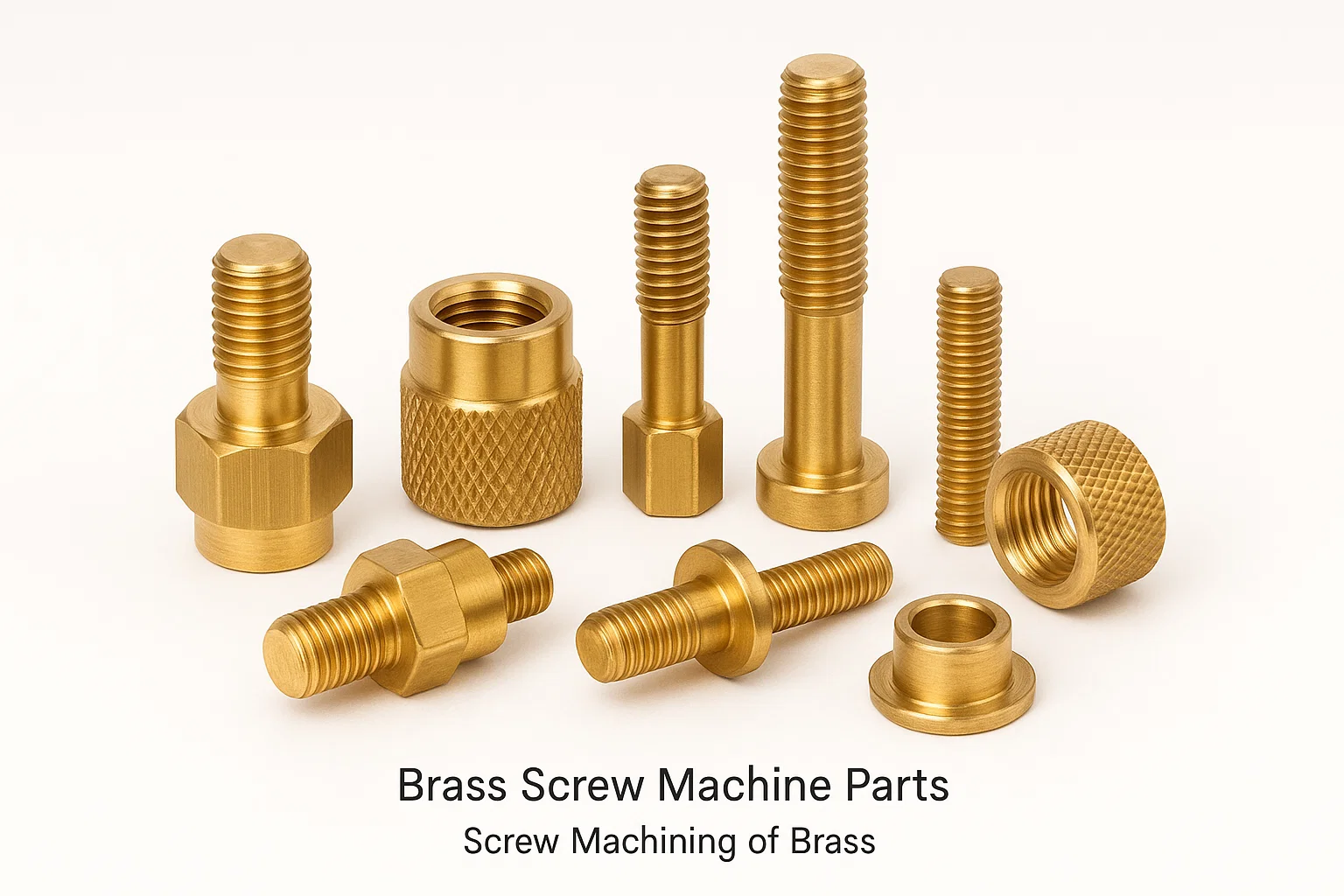
- Threaded inserts & connectors
- Gas fittings
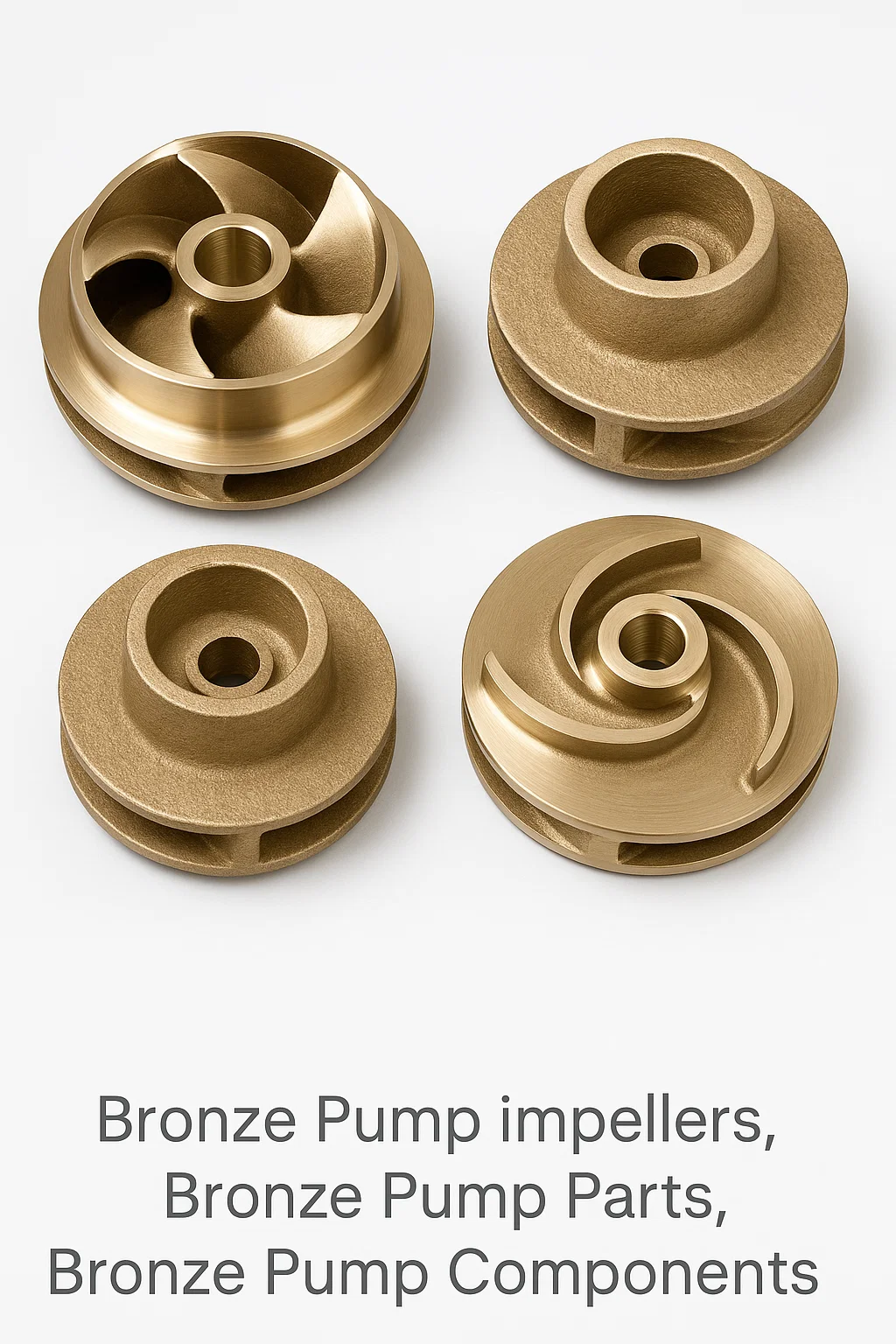
- Pump & impeller parts
- Marine hardware
- Sensor & instrument bodies
- Compression fittings
- Manifolds
- Precision turned components
Industries Served
- Potable water & plumbing
- Sanitary ware
- Gas distribution
- Marine & offshore
- Instrumentation
- Pumps & valves
- Building services
- Renewable energy
C69300 Eco Brass Weight Calculator
Enter a diameter (round bar) or across-flats size (hex bar) and a length to estimate the weight of C69300 / Eco Brass based on a density of 8.30 g/cm³.
C69300 Eco Brass Weight Calculator — Round & Hex Bars
Per piece4.171kg
Per metre4.171kg/m
Total41.71kg
Indicative only. Based on C69300 Eco Brass density 8.3 g/cm³ (8300 kg/m³). Round: area = π/4 × d². Hex: area = (√3/2) × A/F². Actual weights vary with tolerance and exact alloy composition.
Quick Reference — Weight per Metre (kg/m)
| Size (mm) | Round bar (kg/m) | Hex bar A/F (kg/m) |
|---|---|---|
| 6 | 0.235 | 0.259 |
| 8 | 0.417 | 0.460 |
| 10 | 0.652 | 0.719 |
| 12 | 0.939 | 1.035 |
| 16 | 1.669 | 1.840 |
| 19 | 2.353 | 2.595 |
| 20 | 2.608 | 2.875 |
| 25 | 4.074 | 4.493 |
| 30 | 5.867 | 6.469 |
| 36 | 8.448 | 9.316 |
| 40 | 10.430 | 11.501 |
| 50 | 16.297 | 17.970 |
International Equivalents
| Standard / Region | Designation |
|---|---|
| USA (UNS) | C69300 |
| EN (Europe, number) | CW724R |
| EN / ISO (name) | CuZn21Si3P |
| Trade name | Eco Brass® / EnviroBrass-type silicon brass |
| ASTM | B371 (rod), B283 (forgings) |
Frequently Asked Questions
What is C69300 / Eco Brass?
C69300 is a lead-free silicon brass (about 76% copper, 3% silicon, balance zinc) known commercially as Eco Brass and designated CW724R / CuZn21Si3P in Europe. It replaces leaded brass in drinking-water and low-lead parts while keeping good machinability.
Is C69300 really lead-free?
Its lead content is held to 0.10% maximum and its weighted-average lead is at or below 0.25%, so it satisfies NSF/ANSI 372 and modern “lead-free” drinking-water laws, and it is RoHS-compliant without an exemption. “Lead-free” in plumbing means below these legal thresholds, not zero lead.
What makes C69300 machinable without lead?
A hard silicon-rich kappa (κ) phase in the microstructure breaks the chip during cutting, doing the job lead does in ordinary free-cutting brass. It reaches about 80% of C36000‘s machinability — the best of the common lead-free brasses.
How strong is C69300 compared with normal brass?
Much stronger. Tensile strength is typically 450–600 MPa — close to mild steel and well above leaded free-cutting brass (around 340–470 MPa).
Is C69300 dezincification resistant?
Yes, intrinsically. The silicon kappa phase blocks the selective leaching of zinc, so C69300 resists dezincification and is qualified to ISO 6509-1, making it suitable for aggressive and soft waters.
What is the density of C69300?
8.30 g/cm³ (8,300 kg/m³) — slightly lower than leaded brass because of the silicon and higher copper content. The calculator above uses this figure.
Can C69300 be used for drinking-water fittings?
Yes — that is its main purpose. It meets NSF/ANSI 372 and lead-free plumbing regulations and is widely used for potable-water valves, faucets, meters and fittings.
Does C69300 resist stress-corrosion cracking?
Yes. Silicon brasses like C69300 have excellent resistance to stress-corrosion cracking (season cracking), better than standard high-zinc brasses.
What is the melting range of C69300?
Approximately 855–900 °C. It hot-forges and hot-stamps well at about 650–750 °C.
Can C69300 be forged like leaded brass?
Yes. It hot-forges and hot-stamps cleanly, so it is a practical drop-in replacement for forged leaded-brass fittings, though tooling is set for its higher strength.
How does C69300 compare with C27450 and DZR brass?
Can C69300 be plated?
Yes. It accepts nickel, chrome and tin plating for decorative finishes and extra corrosion protection, common on visible plumbing fittings.
What sizes does Brass Parts India supply in C69300?
Round bar 3–100 mm, hex 3–65 mm across flats, square up to 50 mm, plus hollow rod, wire and forging stock. Custom sizes are produced to drawing.
Is C69300 more expensive than leaded brass?
Generally yes, because of its higher copper and silicon content and tighter processing. The premium is offset where lead-free compliance, higher strength or dezincification resistance is required.
How do I calculate the weight of a C69300 bar?
Use the calculator above, or multiply cross-sectional area by length by density (8.30 g/cm³). Round area = π/4 × d²; hex area = (√3/2) × (across-flats)².
Is C69300 recyclable?
Yes. Like all brasses it is fully recyclable, and being lead-free simplifies scrap handling and end-of-life recovery.
Can Brass Parts India supply C69300 parts with material certificates?
Yes. We provide finished machined and forged C69300 components with full chemical and mechanical test certificates and lead-free / NSF compliance documentation for export.
Related Brass Alloys
Comparing grades? Explore our companion guides — each with full specifications, typical parts and a live weight calculator.
C36000 / CDA 360Leaded free-cutting brass — 100% machinability benchmark.Read guide →C27450 DZR BrassLead-free DZR brass — NSF/ANSI 372 compliant.Read guide →CZ132 / CW602N DZR BrassArsenical DZR brass — for aggressive & chlorinated waters.Read guide →
Need Lead-Free C69300 / Eco Brass Components?
Brass Parts India machines and forges C69300 lead-free silicon brass to your drawings for potable-water, plumbing and precision applications — from a 90,000 sq ft integrated Jamnagar facility exporting worldwide. Send your part print and compliance requirement for a fast quote.
Request a Quote →