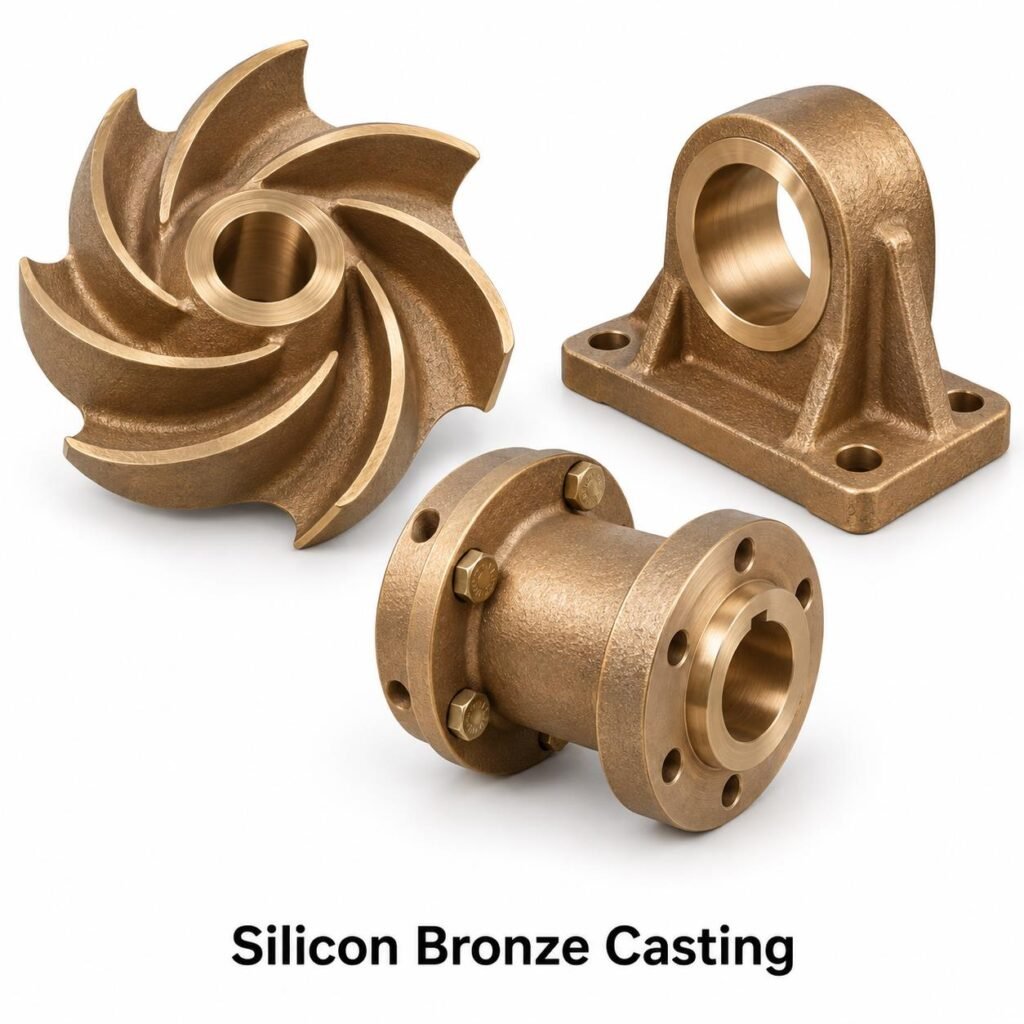
Metal casting components
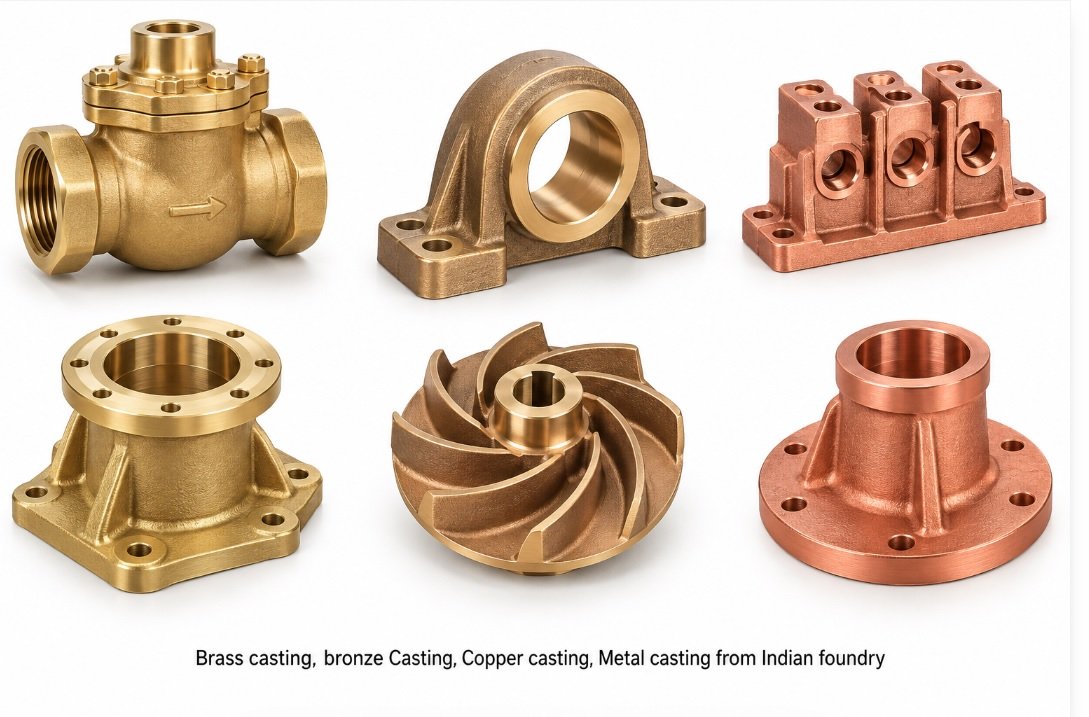
Brass Casting
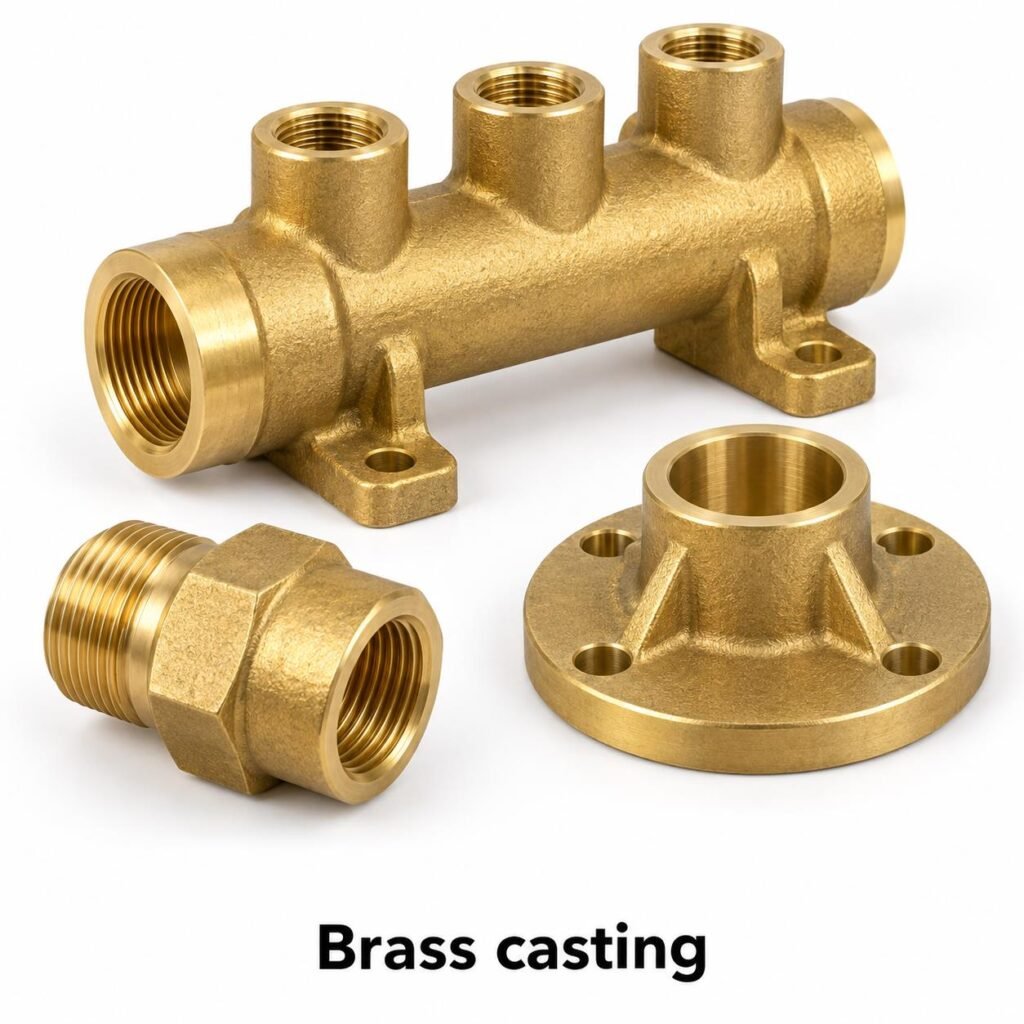
We manufacture high-quality brass castings for electrical, plumbing, engineering and industrial applications. Using controlled casting processes and carefully selected brass alloys, we produce components with excellent machinability, corrosion resistance, dimensional accuracy and surface finish. Our capabilities include sand casting, shell moulding, gravity die casting and investment casting, supported by CNC machining, testing and finishing facilities. We manufacture both standard and custom brass castings according to customer drawings, specifications and applicable international standards.
Bronze Casting
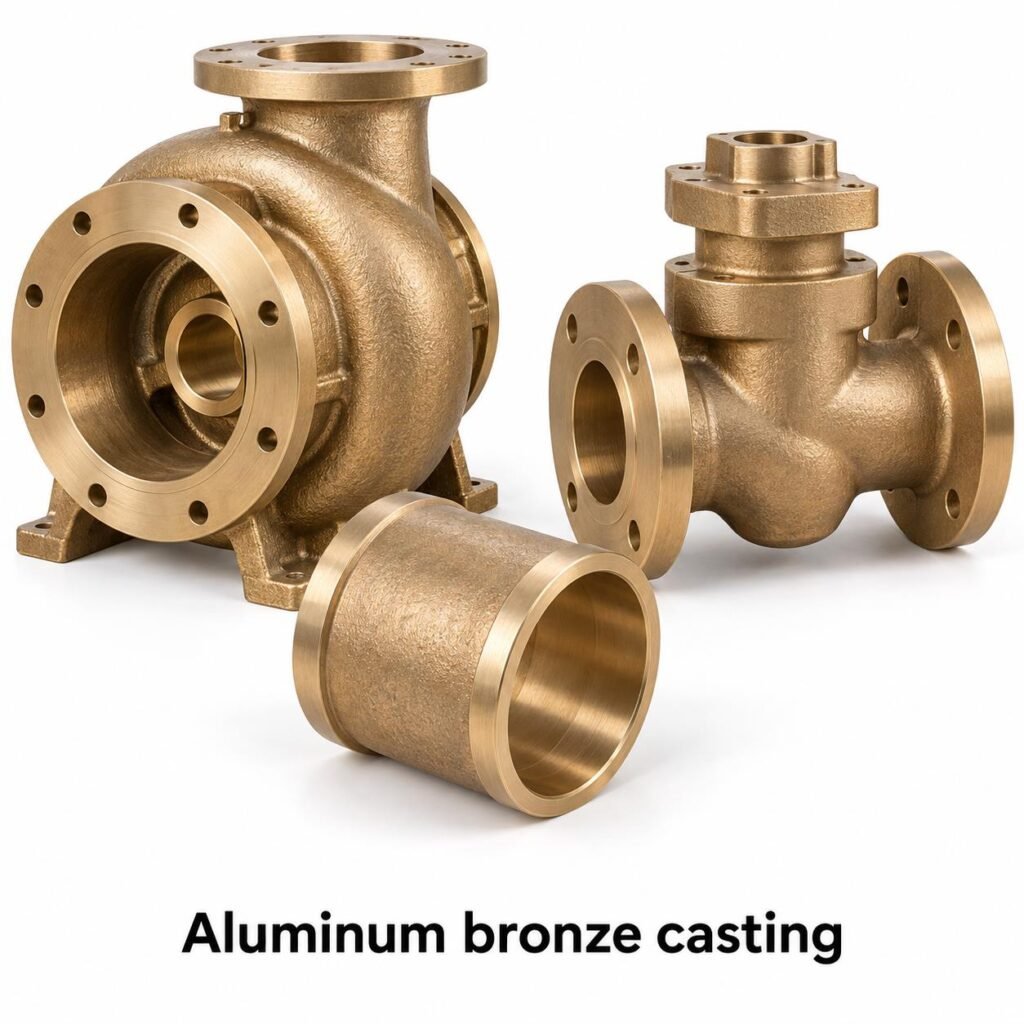
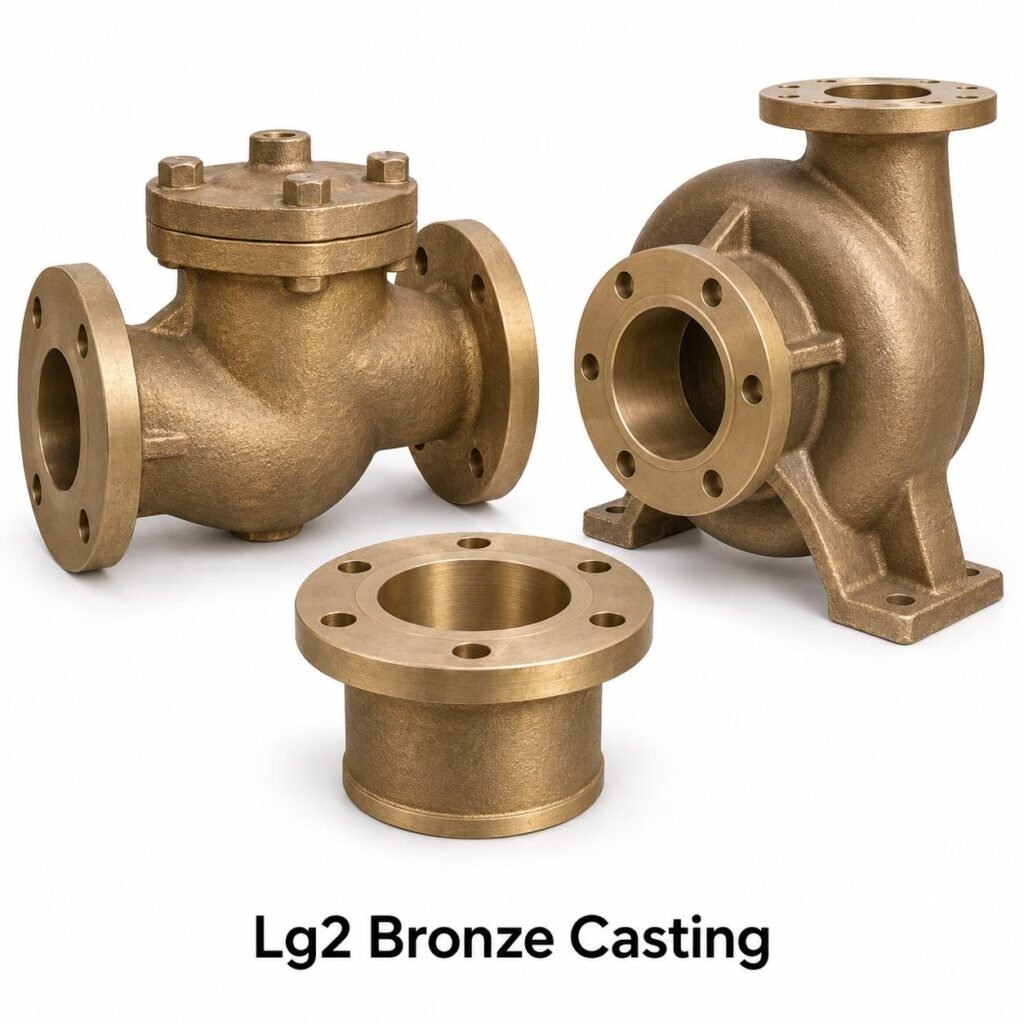
We manufacture precision bronze castings in a wide range of copper-based alloys, including gunmetal, aluminium bronze, silicon bronze, phosphor bronze and leaded bronze. Our bronze castings offer excellent wear resistance, strength, corrosion resistance and dependable performance in demanding environments. We supply cast components for electrical, marine, pump, valve, power-transmission and general engineering applications. From alloy selection and casting to machining, inspection and finishing, every stage is carefully controlled to meet the customer’s dimensional, mechanical and metallurgical requirements.
Copper Casting
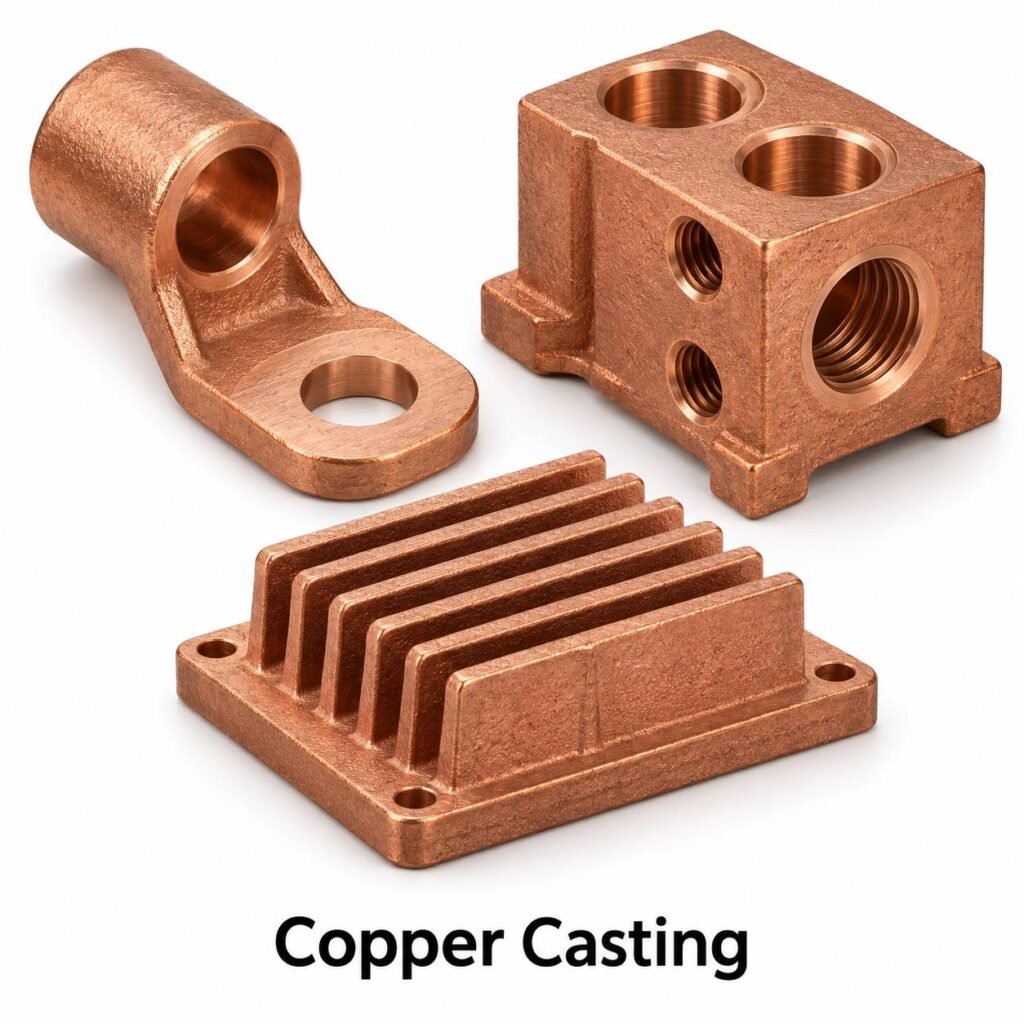
We manufacture copper castings for electrical, power-distribution, earthing and industrial applications where high electrical and thermal conductivity are essential. Our controlled melting and casting processes help minimise oxidation and porosity while maintaining the required conductivity, density and mechanical properties. We can supply copper castings as raw, semi-machined or fully machined components, manufactured according to customer drawings and specifications. Material composition, conductivity, dimensions and surface quality can be inspected and documented as required.
Aluminium Casting
We manufacture lightweight and corrosion-resistant aluminium castings for electrical, automotive, engineering and industrial applications. Our aluminium casting capabilities include sand casting, gravity die casting and investment casting for both simple and complex component geometries. We work with suitable aluminium casting alloys to achieve the required combination of strength, weight, machinability and surface finish. Castings can be supplied with CNC machining, drilling, threading, surface treatment and inspection, providing customers with ready-to-assemble components made to their drawings and technical requirements.
Explore metal casting components from Brass Parts India for industrial assemblies. Specify the alloy, drawing, casting dimensions, machining allowance, finish and inspection requirements when requesting a quotation.
Request a casting quotation
Send your component drawing, material grade, order quantity and application details. The quotation should confirm tooling, secondary machining, dimensional requirements and delivery terms.
Contact Brass Parts India about metal casting components.
Frequently asked questions about metal casting
What metal casting products are available from Brass Parts India?
The Metal Casting range includes brass casting, copper casting, LG2 bronze casting, silicon bronze casting and aluminum bronze casting. Grade-specific aluminum bronze pages cover AB1, AB2, C95200, C95400, C95500 and C95800. Send the required material designation and component drawing for a product-specific review.
Can metal castings be manufactured to a custom drawing?
Custom metal casting enquiries should include a controlled drawing or model, alloy specification, quantity and application details. Identify critical dimensions, machining allowances, threads and surface requirements. The quotation should confirm the casting route, tooling and supply condition against the approved design.
How do I choose between brass, bronze and copper castings?
Begin with the component function and required material properties. Copper castings are considered for electrical and heat-transfer components, while brass and bronze casting selection depends on the particular alloy, loading, wear and corrosion exposure. Confirm the exact grade against the engineering specification.
Is aluminum bronze the same material as aluminium casting?
Aluminum bronze is a copper-based alloy containing aluminum, whereas aluminium casting uses an aluminium-base alloy. These are different material families. Specify the complete grade designation when requesting a quotation so the intended material and manufacturing requirements are clear.
Which manufacturing process is suitable for custom metal castings?
Process selection depends on alloy, component geometry, cores, wall thickness, quantity and machining requirements. Sand casting, shell moulding, gravity or permanent mould processes and other routes suit different parts. Confirm the proposed method and its availability for the actual component in the quotation.
Can cast metal components be supplied fully machined?
State whether you need raw castings, semi-machined blanks or fully machined components. Provide final dimensions, datums, bores, thread details and surface finish requirements. The quotation should identify included operations and the inspection criteria for the delivered part.
What information is needed for a metal casting quotation?
Send the drawing revision, material grade, quantity, application and required delivery destination. Include machining, finishing, testing, documentation and packing needs. Ask the quotation to identify tooling costs, weight assumptions, lead time and any exclusions.
What affects the cost of metal casting components?
Alloy, casting weight, geometry, tooling, cores, order volume and machining scope influence cost. Finishing, testing and documentation can also affect the total. Compare quotations for the same drawing and supply condition rather than relying only on a price per kilogram.
How are casting tolerances and machining allowances specified?
Distinguish as-cast dimensions from finished dimensions and mark critical interfaces on the drawing. Machining allowance should provide enough stock to achieve the final geometry while retaining minimum wall thickness. Agree the tolerance requirements with the selected casting process before tooling begins.
What inspection requirements should be included for industrial castings?
Define the required material analysis, dimensional checks and any functional tests in the enquiry. Pressure, conductivity, mechanical and nondestructive tests address different needs. Specify sampling, acceptance criteria and documentation for the particular component rather than assuming all tests are standard.
How should copper castings for electrical applications be ordered?
Specify the casting grade, finished contact geometry and required electrical conductivity, together with the test method where applicable. Include joint preparation, plating and dimensional requirements. Electrical duty depends on the complete assembly and should be defined by the equipment design.
What should be considered when ordering bronze pump and valve castings?
Provide the fluid, operating conditions, geometry, alloy and finished sealing interfaces. Identify pressure boundaries, minimum wall thickness and required leak or pressure tests. The selected bronze grade and inspection plan should match the actual service rather than only the part name.
Can prototype quantities and repeat production castings be quoted?
Include the initial quantity and expected annual demand when requesting custom metal castings. Tooling economics and manufacturing choices can differ between prototypes, replacement parts and repeat batches. Confirm order quantity, first-article approval and delivery timing with the quotation.
What material documentation is needed for metal cast components?
Specify the material certificate, heat or lot traceability and inspection reports needed for the order. The records should identify the supplied alloy and approved drawing revision. Agree any additional documentation before production so it remains linked to the delivered components.
How can I request metal castings from a supplier in India?
Contact Brass Parts India with the component drawing, alloy, quantity and delivery destination. For sourcing from India, confirm tooling, machining, inspection, packing, freight responsibilities and delivery terms in the quotation. Keep the approved specification as the reference for subsequent orders.