Brass NPTF Hose Barbs
Brand: Cable Glands india | Price: US$ 16.00/Kg
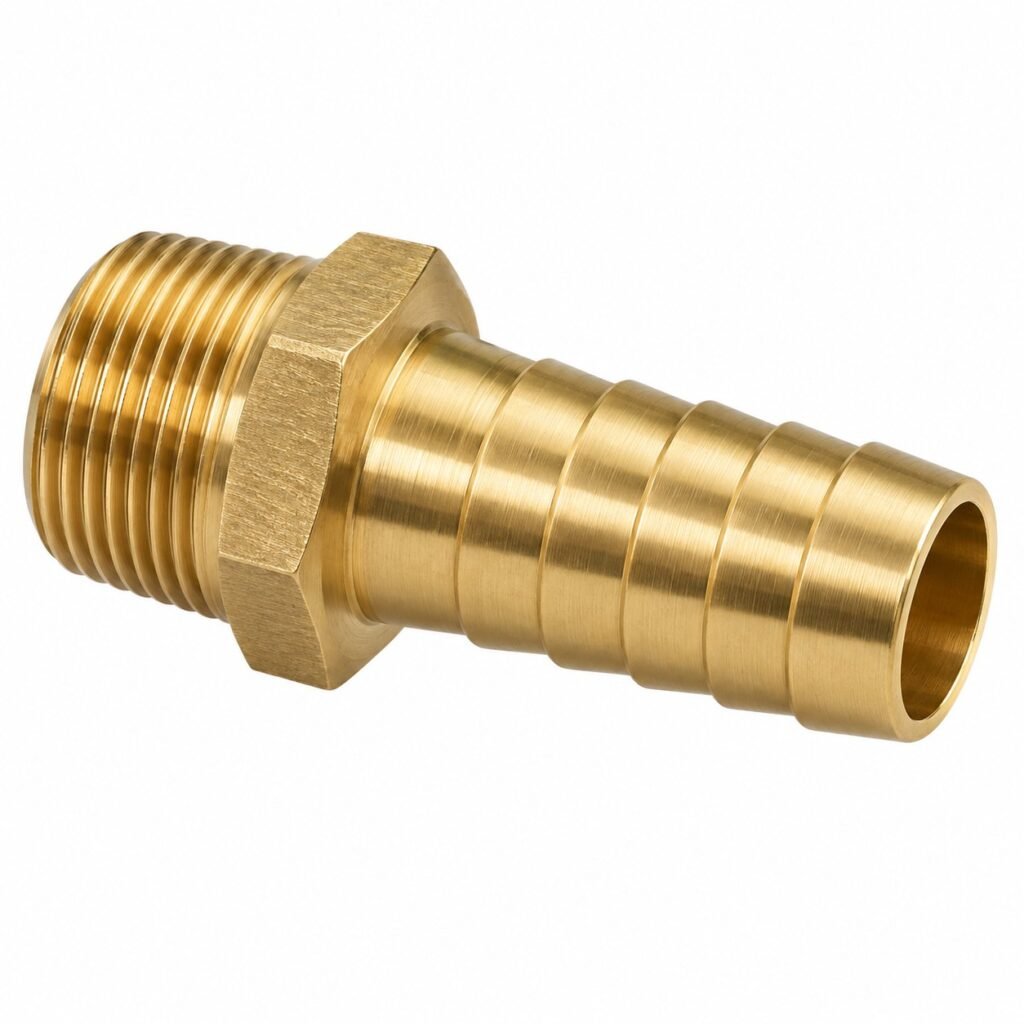
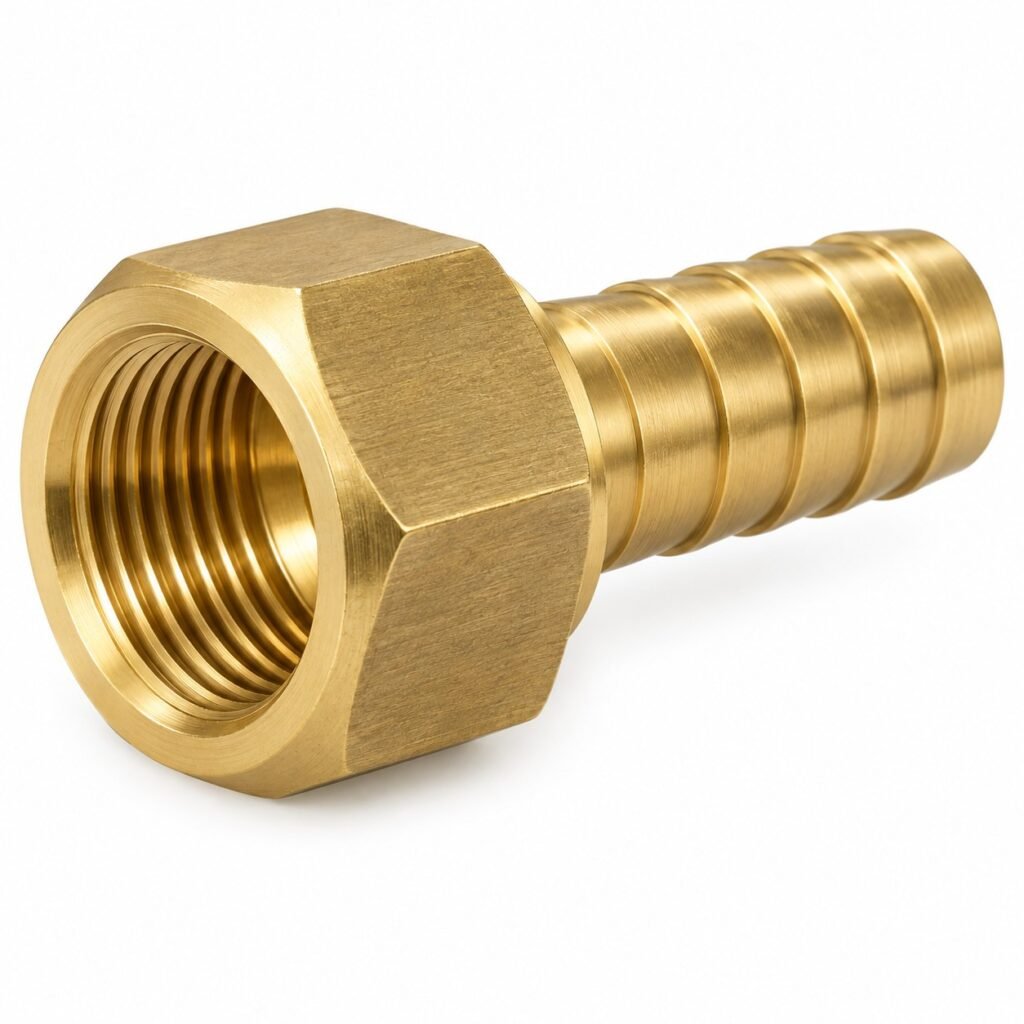
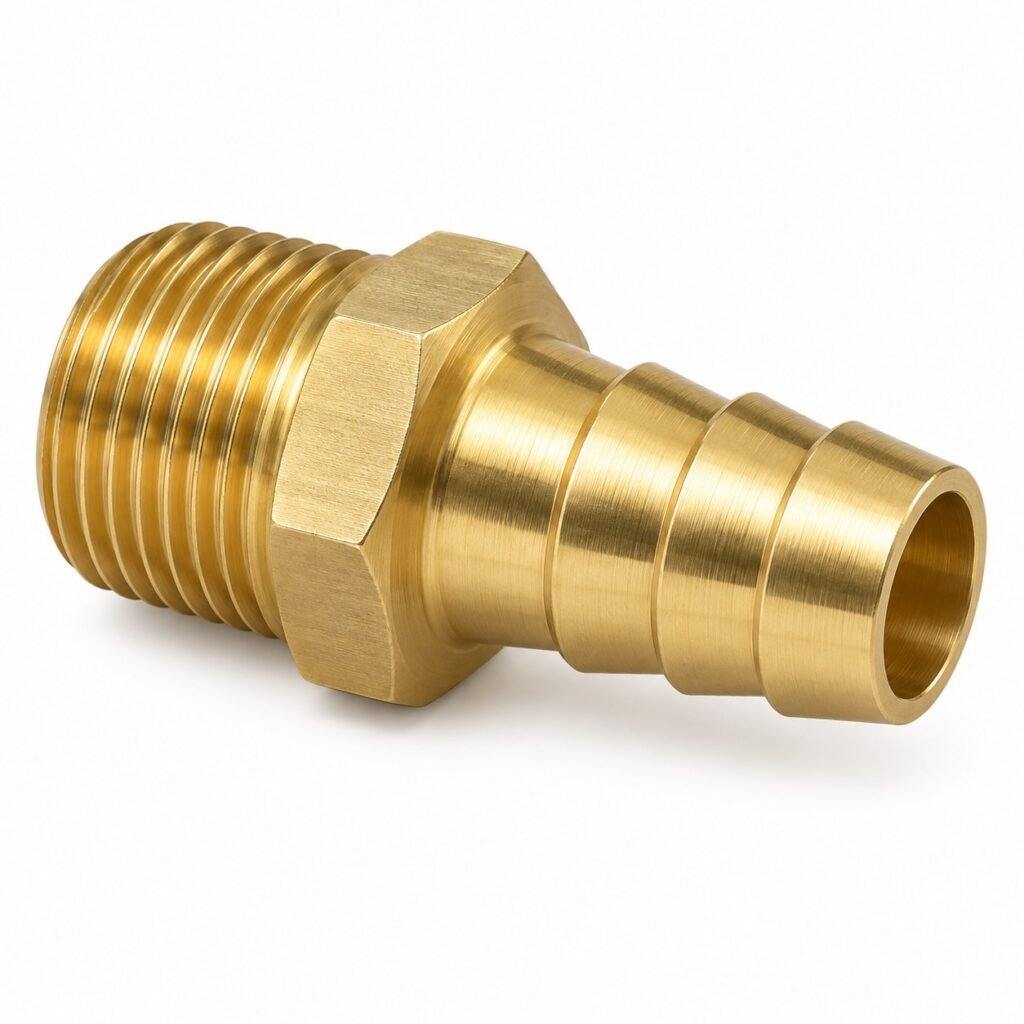
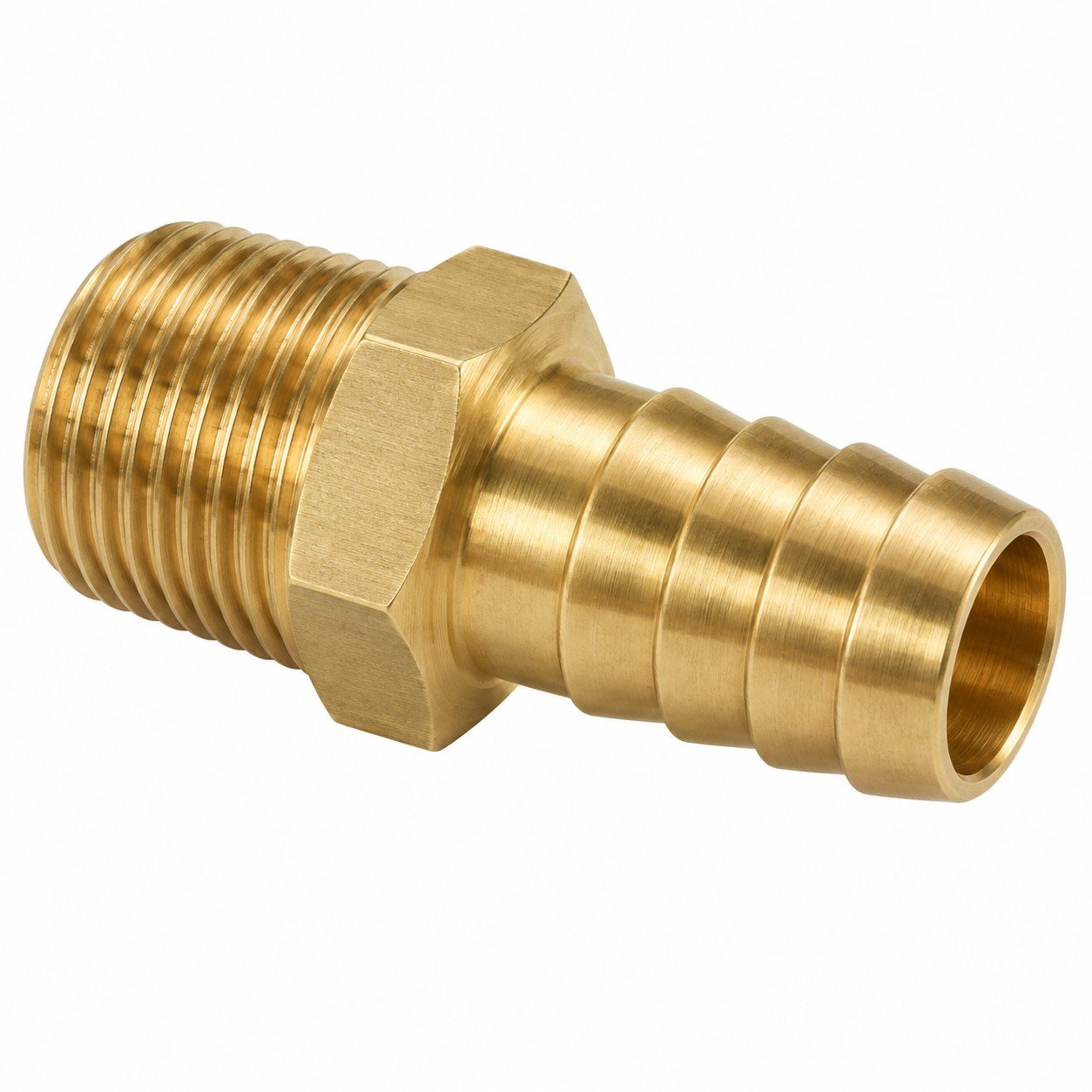
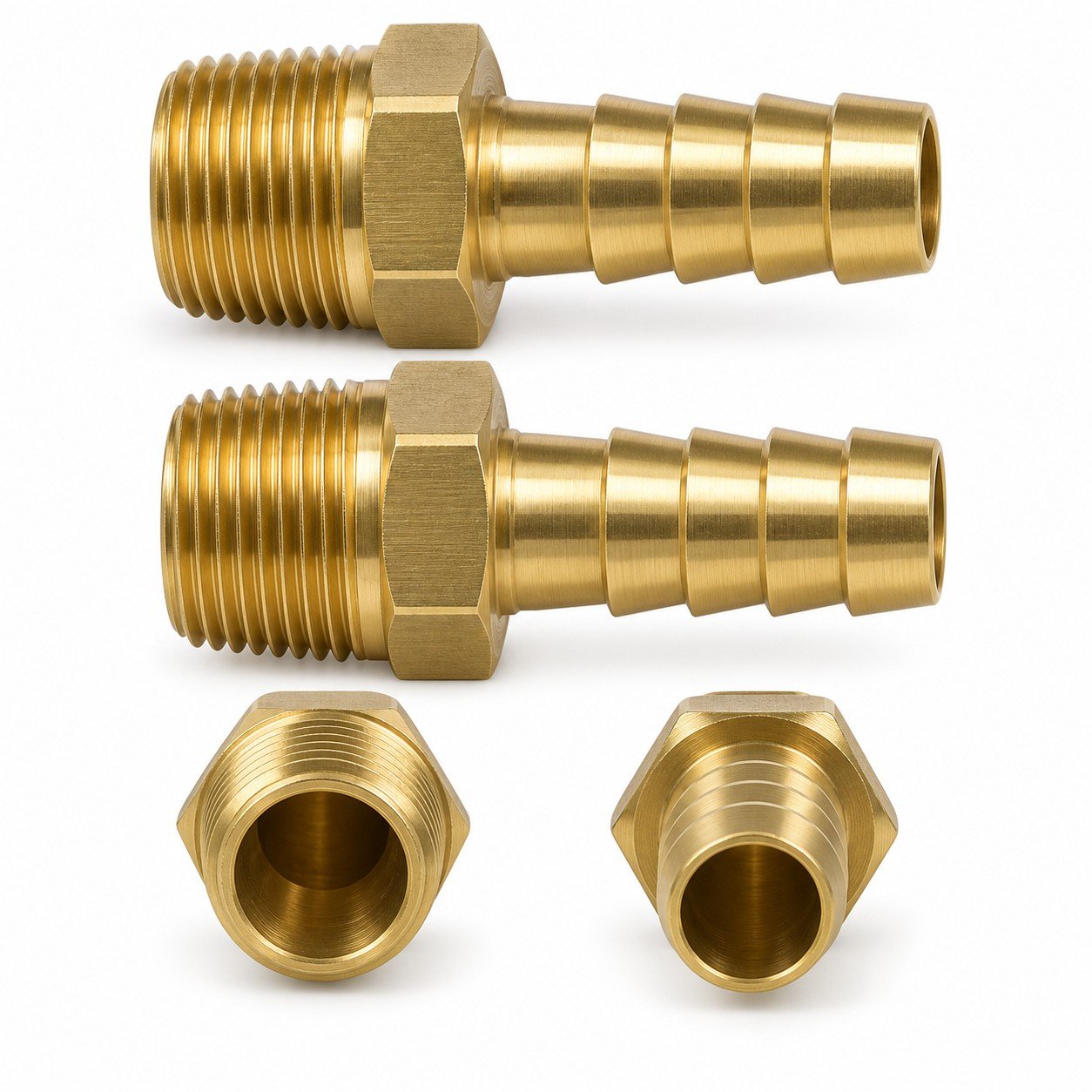
Brass NPTF hose barbs join a flexible hose to a compatible dryseal pipe-thread port. The adapter combines a ribbed hose stem with a male NPTF threaded end, specified under the dryseal thread system. Cable Glands india supplies this product family for engineered fluid connections, OEM assemblies, EPC packages and distributors. NPTF selection requires control of thread form and mating conditions; a dryseal designation alone does not guarantee a leak-free assembly. The listed product price is US$ 16.00/Kg.
Explore Brass Hose Barbs & Nipples
Detailed product overview
Dryseal hose adapters and their function
The NPTF hose barb is intended for a connection strategy that controls the pipe thread’s crest and root relationship as well as its taper and pitch. This makes the threaded end different from a general-purpose NPT adapter even when the fittings appear alike. The hose side still depends on hose deformation and retention hardware. Engineers should therefore treat dryseal thread performance and hose retention as separate qualification tasks. State the required thread class and mating thread on the drawing, and agree the inspection plan before manufacturing or substitution.
NPTF versus general-purpose NPT
NPT and NPTF can share nominal size designations, but their sealing requirements should not be collapsed into one generic callout. The dryseal system is designed to control leakage paths through thread contact. Mixing thread systems can change that intended contact and sealing behavior. A fitting that screws into a port is not proof of complete compatibility. For existing machinery, confirm the original connection specification rather than identifying the thread only by appearance. Where the mating port is NPT, obtain engineering approval for the proposed sealant and connection arrangement.
Thread gauging and assembly control
NPTF procurement benefits from a defined gauge plan that addresses the required dryseal characteristics. A general-purpose thread check alone may not establish every required crest, root or engagement condition. Inspection should follow the selected standard and class, with gauge identification recorded in the quality plan where requested. Assembly control must also consider surface damage, lubrication, material pairing and tightening practice. Do not assume every dryseal joint should be assembled without any lubricant or sealing aid; follow the application specification and equipment manufacturer’s approved procedure.
Hose retention under service movement
A correctly specified NPTF end cannot compensate for a hose that creeps, softens or pulls away from the barb. The flexible connection experiences pressure loads, handling forces and sometimes vibration from adjacent equipment. Choose the stem geometry and clamp system around these conditions. The hose should sit fully over the intended engagement length without twisting against the fitting shoulder. Provide support near heavy or moving assemblies. For pulsating service, assess the complete hose connection through a suitable qualification program instead of assigning performance from thread type alone.
Material and finish choices for dryseal threads
Machining behavior, surface condition and deformation during tightening influence a dryseal connection. Specify the alloy and finish together with the thread dimensions. Plating can alter the effective thread geometry, so inspection requirements should state whether checks occur after coating. Surface protection must also be compatible with the process fluid. For lead-restricted or corrosion-sensitive duty, assess a suitable alternate brass grade and confirm machinability and assembly behavior on samples. Material substitution requires review because a visually similar brass may have different mechanical and corrosion characteristics.
OEM drawing control and distributor segregation
NPTF hose barbs should carry a distinct part reference from NPT versions in drawings, packing labels and stock records. This is especially useful when both thread families share the same hose size and hexagon. State the thread class, hose specification, finish, quantity and inspection documents in the inquiry. First-article approval can establish the agreed thread and stem configuration before a production batch is released. Traceable packaging helps assembly teams avoid unplanned substitutions when maintenance stores or distributor bins contain several externally similar brass adapters.
Key features
- Specified male tapered NPTF dryseal connection
- Machined brass body with defined wrenching surfaces
- Barbed hose stem selected for the actual hose construction
- Bore, engagement length and finish controlled by drawing
- Material and inspection documentation agreed with the order
- Standard-family and custom configurations subject to quotation
Dryseal thread form control
Identify the thread family, size and required inspection on the purchase drawing. A controlled connection definition makes receiving inspection and assembly more consistent. Keep mating-port details with the fitting specification so replacement orders retain the same interface. Where the thread is coated, state the finished condition in which acceptance applies. Gauge results should be interpreted using the selected standard rather than a visual comparison with an unrelated adapter. Preserve the approved part reference on packing labels and delivery documentation.
Dedicated NPTF part identification
Hose selection begins with inside diameter, wall construction, hardness and the manufacturer’s fitting guidance. Nominal hose size alone does not define insertion force or pull-off resistance. Match the stem and retention method to the actual hose sample, particularly when changing suppliers. Clamp width and position should suit the supported portion of the stem. A qualified combination can then be recorded as an assembly specification. Any later change to hose material, clamp type or barb geometry should trigger a review of that combination.
Post-finish thread inspection
Critical metal dimensions include the wrenching envelope, minimum wall, connection length and bore transitions. Specify tolerances according to function rather than applying an unnecessarily tight tolerance to every surface. Check that the assembled fitting leaves room for tools and surrounding hoses. The approved drawing should identify inspection datums and finished dimensions. This supports meaningful first-article review and prevents a cosmetic dimension from obscuring an important fit requirement. Packaging should protect the surfaces used for sealing, retention and dimensional verification.
Hose retention validation
Machined passages should be free from loose chips and damaging burrs. The required cleanliness level depends on downstream equipment and the service medium. Small pneumatic valves and control passages may need a more explicit cleanliness requirement than general water-transfer equipment. Agree any washing, drying, particle inspection or protective capping requirement in the quotation. Evaluate leakage and retention on the completed hose assembly using an appropriate procedure. Do not infer a working-pressure rating from the fitting’s appearance, material description or heavy-duty label.
Assembly procedure repeatability
Natural brass, nickel and chrome finishes require different procurement details. A coating changes surface dimensions and may affect hose insertion, thread engagement or compatibility with the fluid. Specify the finish, relevant thickness and acceptance condition where coating is required. Sealants and installation lubricants must also be selected for the application. The completed connection should remain accessible for inspection and maintenance. Document the approved assembly sequence, replacement criteria and any restrictions on reusing the fitting after service.
Technical specifications
| Parameter | Selection and ordering requirement |
|---|---|
| Product category | Hose Fittings > Brass Hose Barbs & Nipples |
| Brand | Cable Glands india |
| Threaded connection | male tapered NPTF dryseal |
| Thread reference | ASME B1.20.3 |
| Family nominal size range | 1/8 inch to 2 inch; confirm each thread and hose combination in quotation. |
| Hose end | Barbed stem for specified hose inside diameter and construction. |
| Body configuration | Straight adapter; custom lengths and profiles require drawing review. |
| Raw material | Approved brass grade and product form; see material tables. |
| Finish | Natural brass; nickel or chrome options by agreement. |
| Bore and dimensional tolerance | Defined on the accepted product drawing. |
| Pressure and temperature | Application-specific complete assembly limits; qualification required. |
| Retention | Compatible clamp, ferrule or explicitly qualified hose system. |
| Price | US$ 16.00/Kg |
| Supply and sales markets | India and international B2B inquiries; destination requirements confirmed at quotation. |
Raw material grades
The following are material options for technical review, not a declaration that every grade is stocked in every size. State the required material standard and supply condition. Lead content, corrosion behavior and manufacturing route must suit the final application.
| Grade | Material family | Engineering consideration |
|---|---|---|
| C36000 | Free-cutting leaded brass | Machined rod or bar components; assess lead restrictions. |
| CW614N / CuZn39Pb3 | European machining brass designation | Confirm product standard, temper and actual certificate. |
| CW617N / CuZn40Pb2 | Brass commonly specified for hot forming | Consider for a forged blank followed by machining. |
| C37700 | Forging brass | Potential forged component material; drawing approval required. |
| CW602N / CuZn36Pb2As | Dezincification-resistant brass family | Require the specified processing condition and corrosion evidence. |
| C69300 | Silicon-containing brass with low lead content | Consider for lead-restricted specifications; confirm finished-part requirements. |
International equivalents and sourcing comparisons
An equivalent trade description is not sufficient evidence of full interchangeability. The relationships below distinguish designation references from approximate alternatives. The approved drawing and certificate govern acceptance; do not substitute based solely on a catalog cross-reference.
| Specified designation | Related international or legacy term | Status of comparison |
|---|---|---|
| CW614N | CuZn39Pb3; legacy CZ121 terminology | Designation relationship; verify the applicable legacy and current specifications. |
| CW617N | CuZn40Pb2; C37700 often considered for similar forging duties | Functional comparison only; chemistry and acceptance limits may differ. |
| C36000 | CW614N / CZ121 machining-brass family | Common sourcing comparison, not a certified one-to-one substitute. |
| CW602N | CuZn36Pb2As; C35330 DZR family comparison | DZR behavior depends on composition, processing and test requirements. |
| C69300 | Silicon brass option | Do not assign an automatic EN equivalent without certificate review. |
Product types and variants
| Variant | Typical design purpose | Information to specify |
|---|---|---|
| NPTF straight hose adapter | Direct port-to-hose transition | Pipe size, hose bore and overall length |
| Short hose stem | Compact assembly envelope | Qualified hose engagement and clamp space |
| Extended hose tail | Additional supported hose length | Stem dimensions and required bend clearance |
| Heavy or light body profile | Match the application envelope and material mass | Minimum walls and validated assembly limits |
| Natural or plated brass | Application-specific surface condition | Finish, thickness where applicable and inspection |
| Drawing-based custom part | OEM connection integration | Drawing revision, alloy, quantity and documentation |
Dryseal describes a controlled thread system, not a blanket promise that sealant is never used or that every joint is reusable. Follow the equipment procedure and assess thread condition after disassembly. If a maintenance specification permits a sealing aid, confirm its compatibility with the fluid and intended assembly. Do not reclassify an ordinary NPT fitting as NPTF based only on a successful hand-fit check.
Applications in industry
| Customer / industry | Potential application | Selection priority |
|---|---|---|
| Electrical OEMs | Approved pneumatic and auxiliary fluid adapters | Control dryseal mating ports and assembly procedures. |
| EPC package builders | Specified NPTF hose interfaces on equipment skids | Follow the project thread schedule and quality plan. |
| Power utilities | Replacement fittings on documented dryseal connections | Verify the original part requirement before substitution. |
| Distributors | Separate NPTF inventory for industrial customers | Keep dryseal stock distinct from general-purpose NPT. |
Application examples identify possible uses after engineering approval. They do not assign suitability for hazardous fluids, high-pressure hydraulics, fuel gas or critical safety systems. Assess fluid compatibility, pressure cycling, external loading and hose retention for the actual equipment. Electrical OEMs should integrate the fluid connection into their machine risk and maintenance review.
Manufacturing process
Drawing review and material preparation
Manufacturing starts with an agreed drawing and inspection plan. The review establishes thread identity, hose geometry, minimum bore, material condition and finish. Suitable rod or bar can be prepared for machining; a forging route may be considered when the design and selected alloy justify it. Material identification should remain associated with the production batch. A change in stock form or grade requires review against the accepted specification.
Machining, threading and finishing
Turning forms the hose stem, shoulders and body features, while drilling or boring produces the flow passage. The threaded end is machined with tooling appropriate to the specified connection. Deburring removes loose edges at the entry, barb transitions and bore exits. Cleaning precedes any agreed coating operation. Finished dimensions and thread acceptance must account for the surface treatment so that a compliant uncoated blank does not become an unacceptable finished fitting.
Inspection, packing and release
Inspect critical dimensions and threads using the agreed methods. Where performance testing is specified, define the test medium, procedure, sample plan and acceptance criteria before production. Protect machined connections during packing and identify the part number and revision on the shipment. Retain the agreed inspection evidence for customer review. Assembly qualification uses the intended hose and retention hardware; checking the bare metal fitting alone cannot establish complete hose connection performance.
Quality standards and certifications
| Reference / document | Relevant scope | What to confirm |
|---|---|---|
| ASME B1.20.3 | Thread definition for the ordered variant | Applicable edition, class and inspection requirements. |
| Material product specification | Chemistry and properties of the selected stock | Grade, product form, temper and certificate traceability. |
| Dimensional inspection report | Drawing compliance | Critical dimensions and acceptance tolerances. |
| ISO 9001 certificate, if contractually required | Supplier quality management system | Current certificate, issuing body, location and scope. |
| Regulatory or application approvals | Destination and service-specific requirements | Evidence for the actual finished product; no blanket approval implied. |
| Assembly test documentation | Agreed leakage or retention validation | Actual hose, clamp, conditions and acceptance criteria. |
References to standards describe requirements that may be specified; they are not claims of third-party certification. Confirm required certificates during procurement. Do not infer potable-water, food-contact, oxygen-service, pressure-equipment or hazardous-area approval from the product family name. Documentation and any special tests must be expressly included in the accepted order.
Why choose Cable Glands india
Use Cable Glands india as a sourcing contact for a clearly specified brass hose connection. A useful industrial quotation connects the drawing, material, thread system, hose requirement and inspection scope to the ordered part. This makes technical comparisons more meaningful than comparing nominal size and price alone. OEMs can submit repeat-production requirements, while EPC buyers can include project documentation and destination conditions. Distributors should request consistent variant identification and packaging details for their inventories.
The product information supports a practical engineering review: select the correct interface, check the hose assembly and confirm documentation before order release. The listed kilogram price gives a common commercial reference, while finished-part mass determines the material-weight basis for a particular configuration. Discuss custom geometry, surface treatment and testing in the same inquiry so the quotation describes the required supply rather than an assumed generic fitting.
Frequently asked questions
What does this product connect?
Brass NPTF Hose Barbs connect a compatible flexible hose to a male tapered NPTF dryseal pipe-thread interface. The hose stem and threaded end must each match their mating component. Specify both connection sizes and the intended assembly method.
Which thread standard should I specify?
Use ASME B1.20.3 for the relevant NPTF variant. Include nominal size and any required class or inspection details. Similar appearance or partial engagement does not establish interchangeability with another thread system.
How do I choose the hose size?
Use the actual hose inside diameter, construction and manufacturer’s fitting recommendations. Confirm the barb geometry and retention hardware with the intended hose. A pipe-thread size does not directly specify the hose bore.
Is a hose clamp required?
Use the retention method specified for the qualified hose assembly. This may involve a suitable clamp or ferrule. A push-on arrangement is acceptable only where the hose and fitting system is explicitly designed and approved for that method.
What are the pressure and temperature ratings?
The complete hose assembly determines operating limits. Provide working pressure, transients, temperature, fluid and duty cycle for review. No universal pressure or temperature rating is assigned to every size, alloy and hose combination on this page.
Can these fittings be used for drinking water or food service?
Only select a configuration supported by the required finished-product approvals and material documentation. A brass designation, low lead content or food-grade hose alone does not establish approval of the complete fitting and assembly.
Are the brass grades internationally interchangeable?
The comparison table supports initial sourcing discussions. It does not authorize substitution. Check chemistry, product form, temper, mechanical properties and corrosion requirements against the drawing and material certificate before accepting another designation.
Can I order a custom hose stem or finish?
Submit a dimensioned drawing with thread, hose details, bore, lengths, hexagon, alloy and finish. Feasibility, tooling, inspection documents, minimum order quantity and delivery schedule are confirmed through the quotation.
What is the listed price and quotation basis?
The listed price is US$ 16.00/Kg. State quantity, estimated finished-part mass and delivery destination when requesting an order quotation. Confirm the scope for finishing, testing, packaging, freight and taxes before purchase.
Which documents should accompany an industrial order?
Request the material certificate, dimensional report, thread inspection evidence and any agreed assembly test records. If a project requires a current third-party certificate, confirm its scope and applicability to the ordered product before approval.
Equivalent terms in international purchasing
These commercial equivalents assist multilingual inquiries. Retain the exact thread designation and drawing dimensions when translating an order; regional terminology alone does not define a connection standard.
| Language | Equivalent product and related terms |
|---|---|
| Spanish | espiga de latón NPTF; racor de sellado seco; conector para manguera |
| Russian | латунный штуцер NPTF; штуцер сухого уплотнения; переходник для шланга |
| French | embout cannelé en laiton NPTF; raccord à étanchéité sèche; raccord pour flexible |
| Portuguese | espigão de latão NPTF; conexão de vedação seca; conector para mangueira |
| Italian | portagomma in ottone NPTF; raccordo a tenuta a secco; raccordo per tubo flessibile |
Linked parts and related products
- Brass Hose Barbs & Nipples
- Brass NPT Hose Barbs
- Brass BSPT Hose Tails – Hose Nipples
- Brass Female NPT-NPTF Hose Nipples
- Brass Hose Fittings
- Hose Menders, Connectors and Splices
- Fluid Power Accessories and Components
- Pneumatic Fittings and Air Accessories
Request a technical quotation
Send the drawing or dimensioned requirement, thread type and size, hose specification, fluid, pressure, temperature, quantity, material grade and finish. Include inspection documents and delivery destination. Cable Glands india can review the required configuration and confirm the order scope, lead time and commercial terms. Listed price: US$ 16.00/Kg. Contact the sales team through the internal inquiry page to discuss your OEM, EPC, utility or distributor requirement.