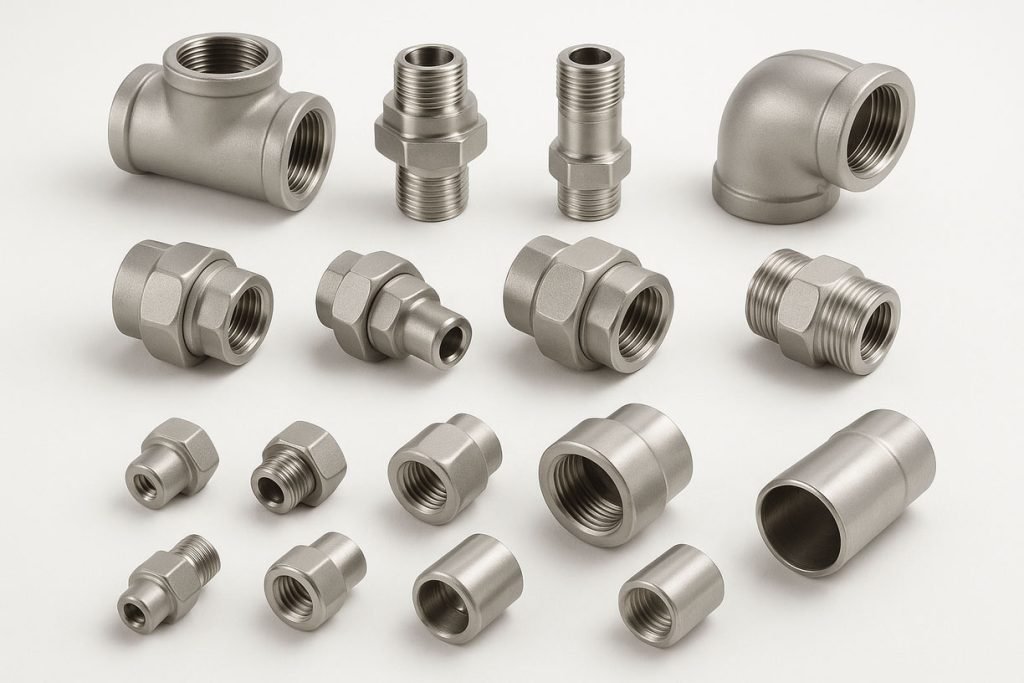
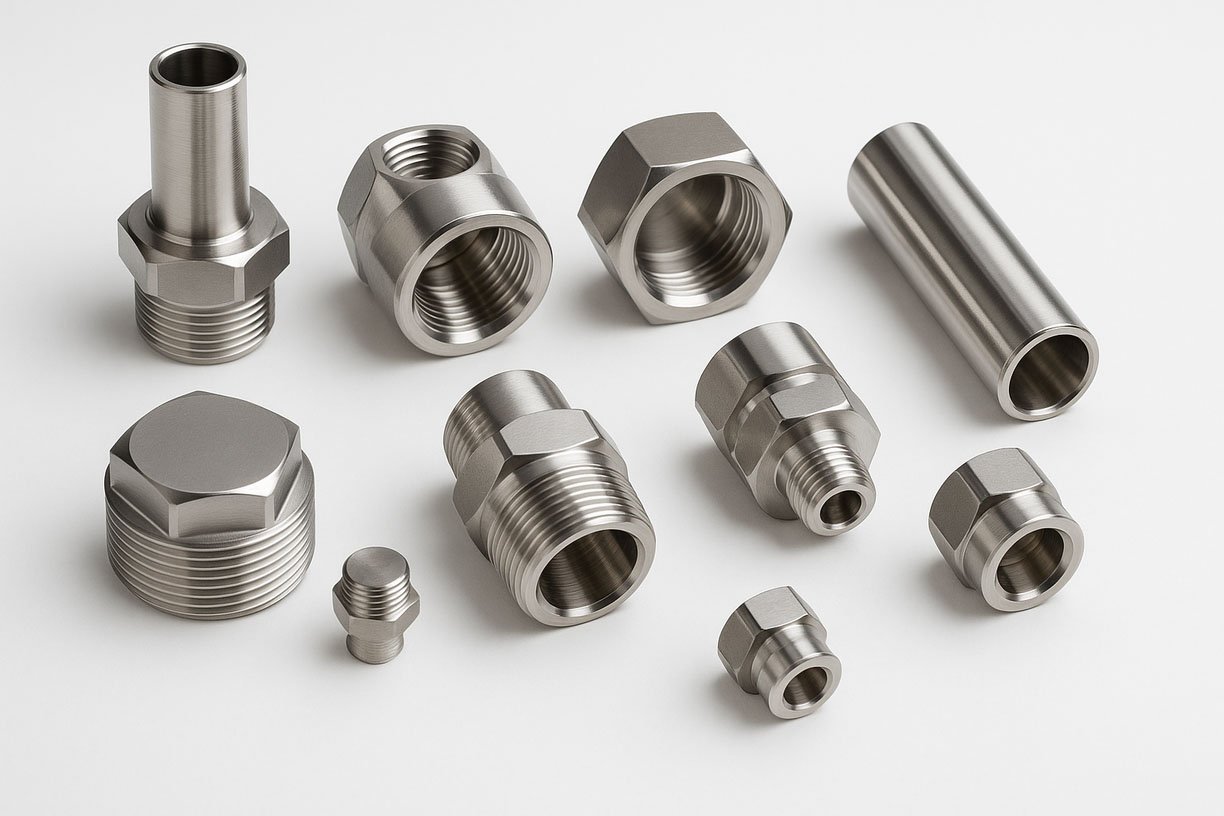
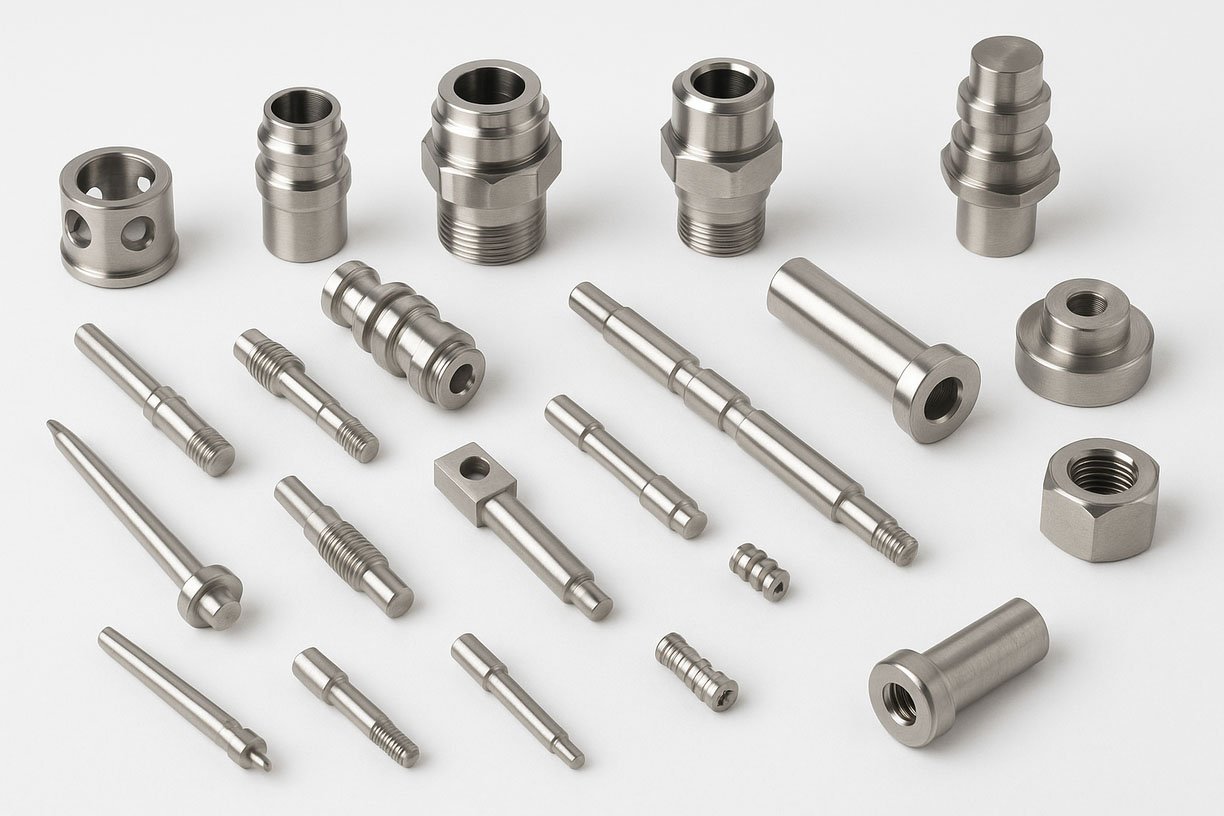
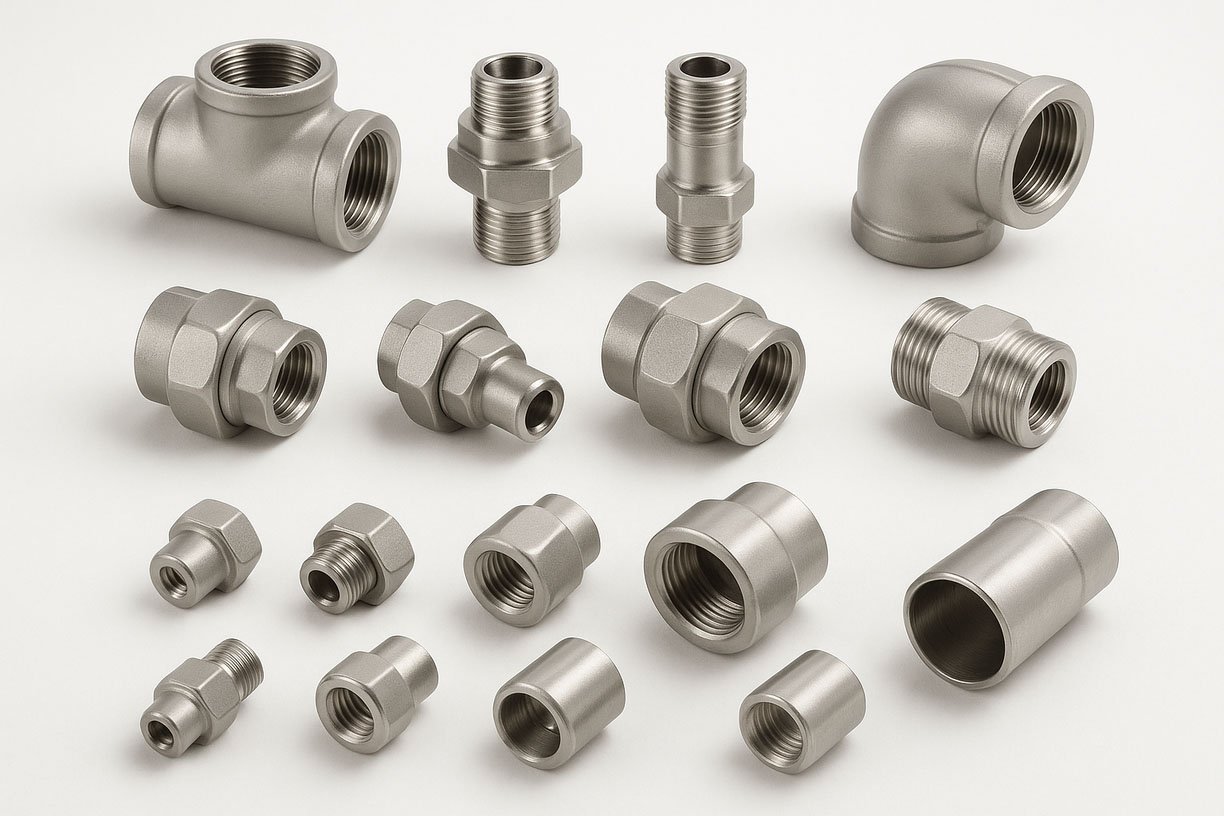
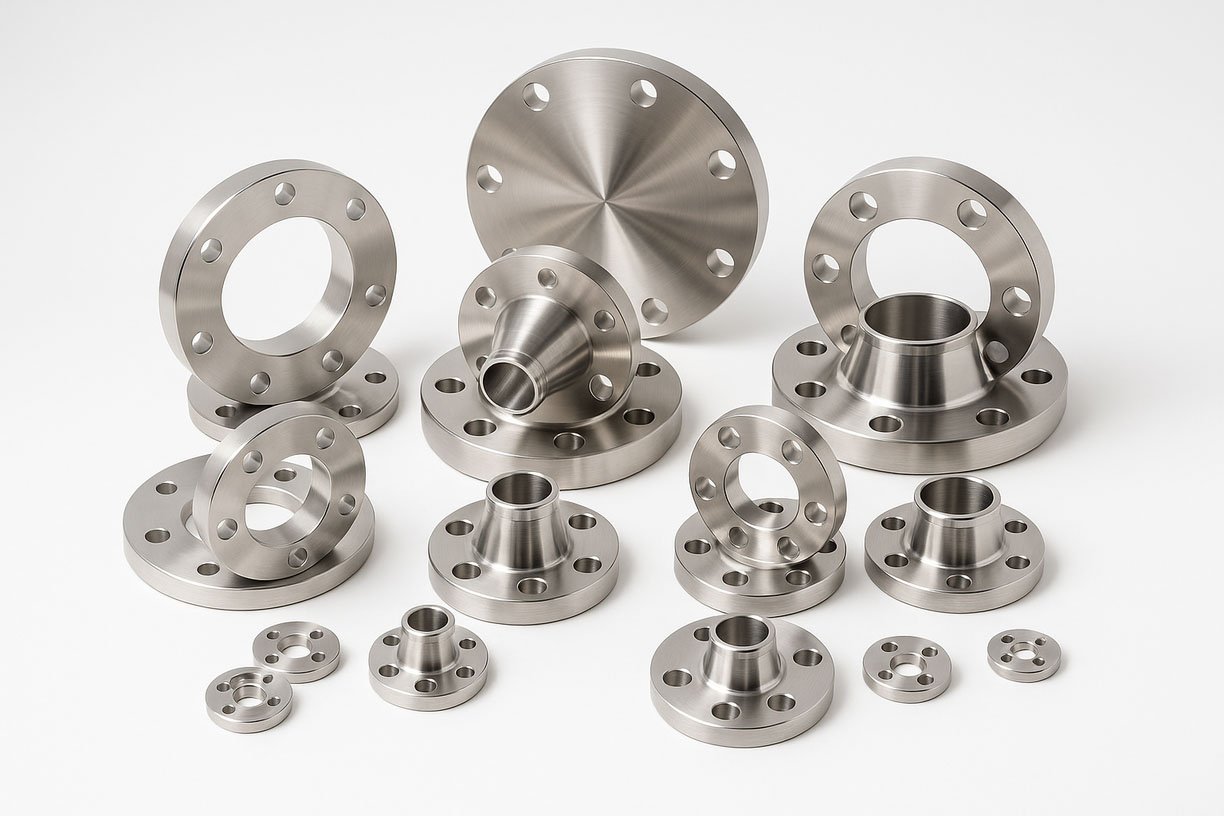
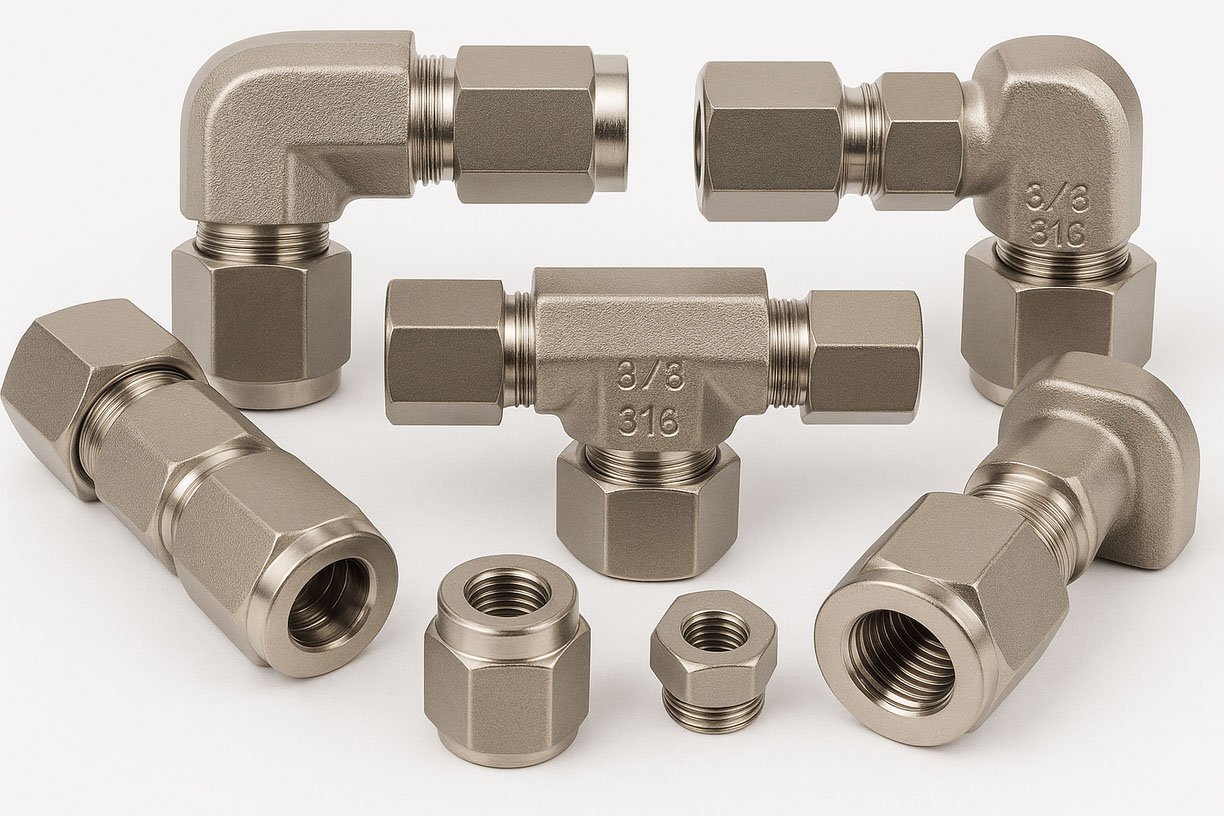
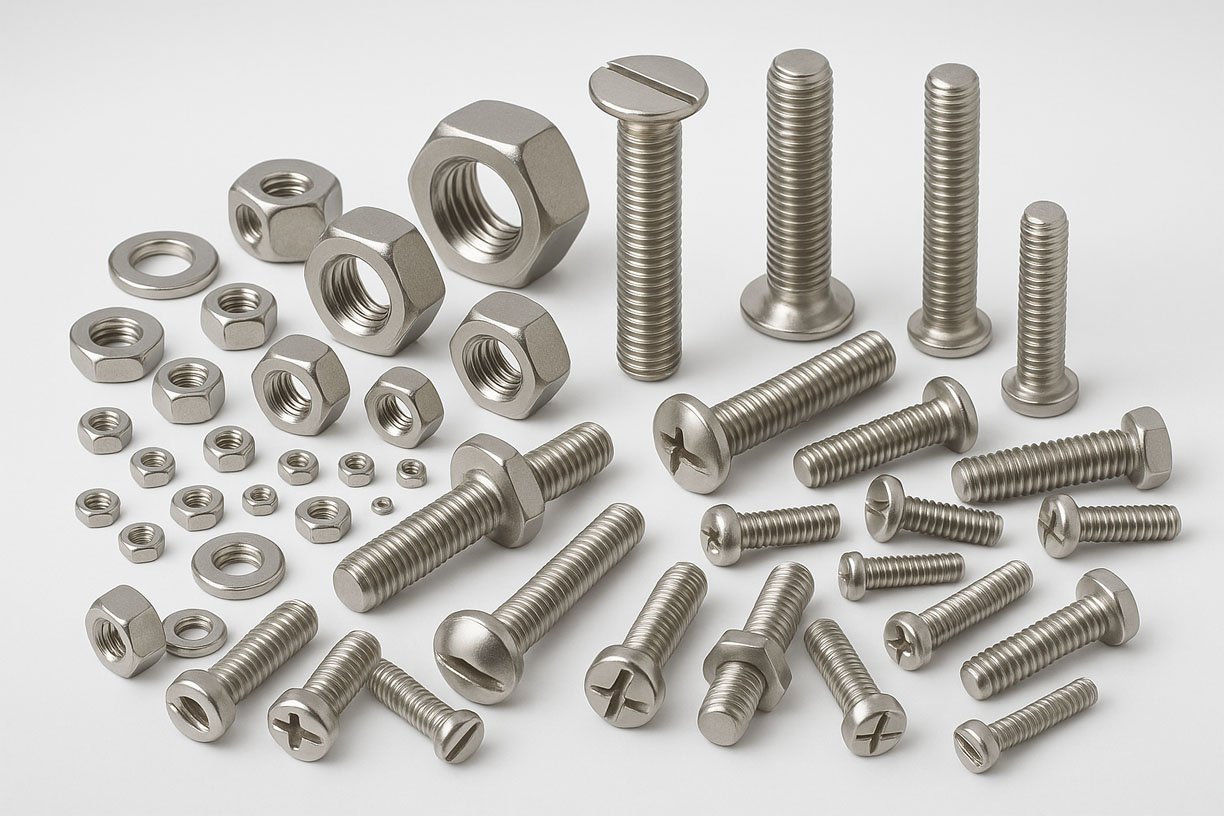
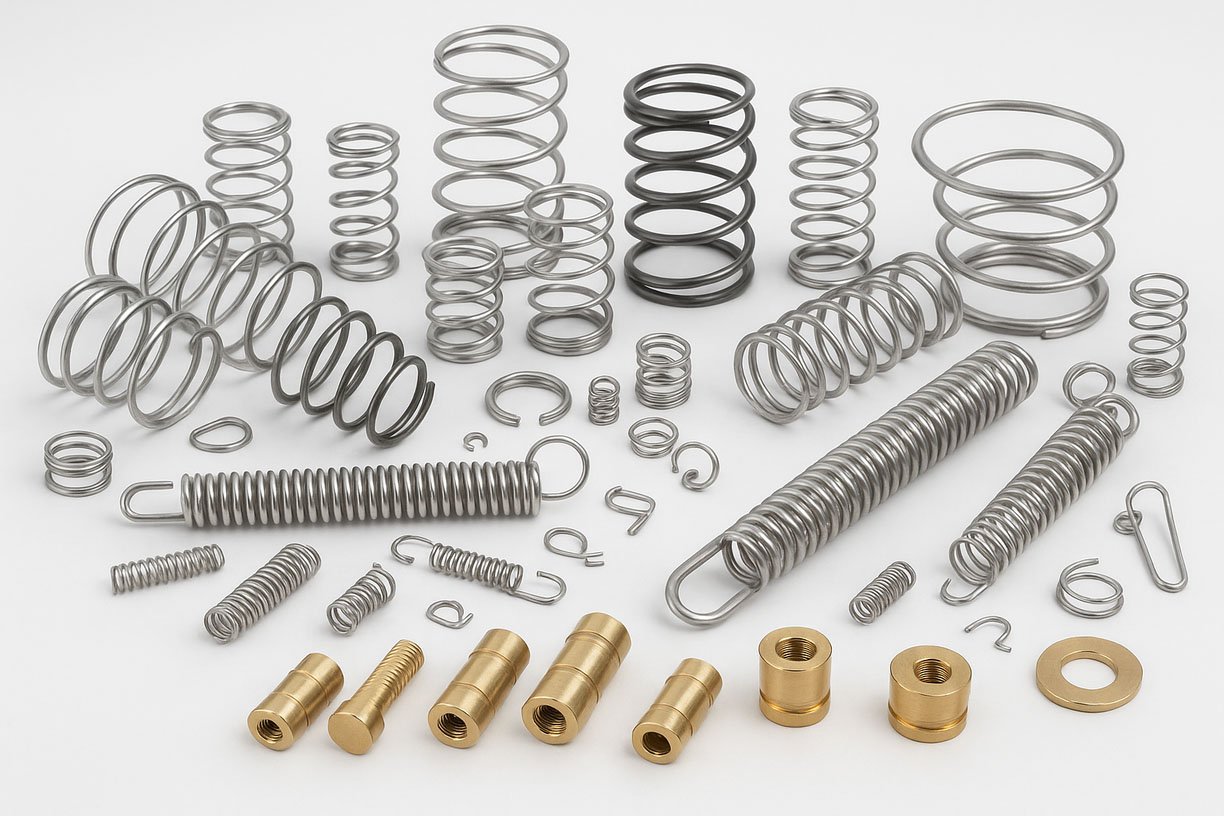
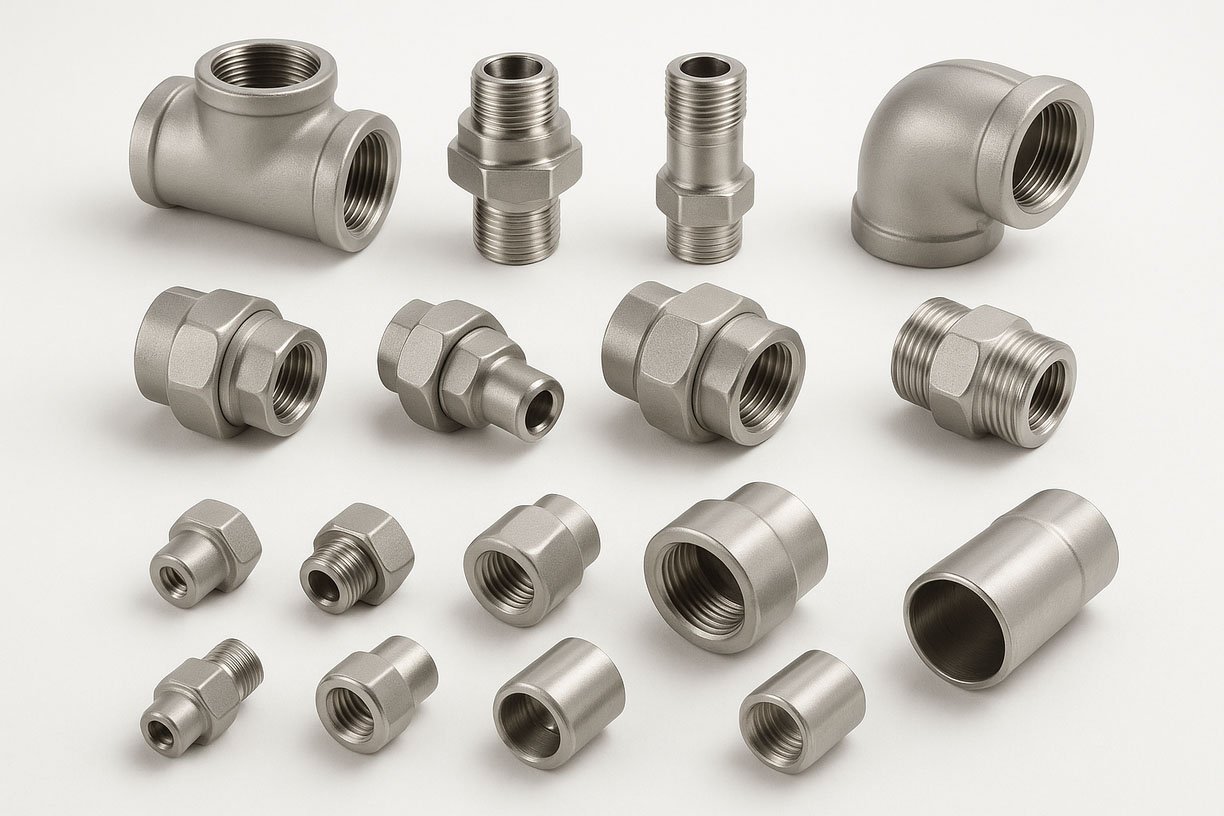
Specify the fitting shape, bore, connection type and dimensions. For custom components, provide a drawing identifying functional surfaces, tolerances, surface finish and inspection requirements. Pipe fittings, tube fittings and threaded fasteners serve different functions and should be specified separately.
Choose the alloy for the fluid, temperature, chloride exposure and cleaning conditions. 316 and 316L contain molybdenum and may offer improved resistance in some environments compared with 304, but neither is immune to chloride pitting or crevice corrosion. Confirm the product-standard grade and material certificate required.
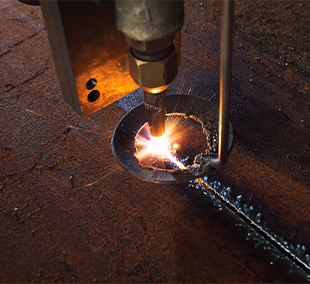
Agree the manufacturing route for the part geometry and material. Castings require a casting grade; wrought bar and forgings require their own specifications. Confirm machining allowances, heat treatment, passivation or electropolishing where required. Available dimensions and weights are subject to quotation.
State the full thread or end-connection standard and sealing arrangement. Pressure and temperature capability must be established for the actual fitting design and complete assembly. Do not infer a pressure rating from the stainless steel grade alone.
Send the drawing, material specification, quantity, service conditions and required test or certification documents. Inspection criteria and delivery requirements should be agreed before manufacture.
Frequently Asked Questions – Stainless Steel Fittings
What is Stainless Steel Fittings?
Stainless Steel Fittings is a pipe or tube fitting used in plumbing, process and instrumentation systems. Final suitability depends on the approved specification and application conditions.
Where is Stainless Steel Fittings commonly used?
Typical applications include plumbing, process and instrumentation systems. Confirm load, environment, mating parts and applicable standards before selection.
Which materials are available for Stainless Steel Fittings?
Specify brass, stainless steel or another compatible alloy. State the exact grade because similar commercial alloys can differ in composition and performance.
Which sizes can be supplied for Stainless Steel Fittings?
Standard and custom sizes can be reviewed from pipe or tube size, thread, seal type and pressure class. Nominal size alone may not define compatibility.
What dimensions are required to order Stainless Steel Fittings?
Provide pipe or tube size, thread, seal type and pressure class, with units, tolerances and drawing revision.
Can Stainless Steel Fittings be made to a custom drawing?
Yes. Custom geometry, threads, tolerances and features can be assessed from a dimensioned drawing or approved sample.
Which thread standards are available for Stainless Steel Fittings?
Relevant Metric, BSP, BSPT, NPT, NPTF, PG, BA or BSW threads may be considered. Specify form, size, pitch, class and engagement length.
Which finishes are offered for Stainless Steel Fittings?
Options may include natural, plated, polished or passivated. Specify coating type, thickness, appearance and corrosion or conductivity needs.
What tolerances can be maintained on Stainless Steel Fittings?
Tolerance depends on material, size, geometry and process. Mark critical dimensions and fits clearly on the drawing.
How should Stainless Steel Fittings be installed?
Check mating dimensions, orientation, sealing or retention method and specified tightening torque before use.
How is Stainless Steel Fittings inspected?
Inspection can cover material identity, critical dimensions, threads, finish and drawing-specific functional checks.
Which quality documents are available for Stainless Steel Fittings?
Material certificates, dimensional reports and coating or test records can be agreed at quotation stage.
Are samples available for Stainless Steel Fittings?
Prototype or pre-production samples can be reviewed for new custom parts, subject to tooling and material requirements.
What are the MOQ and lead time for Stainless Steel Fittings?
Minimum quantity and lead time vary with material, size, tooling, finish, inspection and order volume.
What is needed for a Stainless Steel Fittings quotation?
Provide the drawing or specification, material, dimensions, tolerances, finish, quantity, inspection, packing and destination.